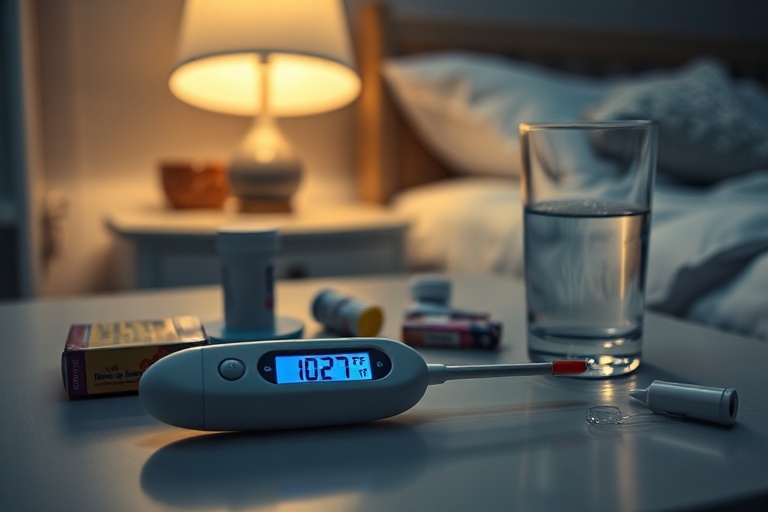
Fever Schedule: Why Timing Matters When Tracking Illness
“`html
Fever Schedule: Why Timing Matters When You’re Sick
Fever isn’t just a symptom—it’s a biological signal that your body is fighting an infection. But tracking its pattern can reveal more than you might expect. Whether it spikes at night, lingers in the afternoon, or disappears for days before returning, the fever schedule offers critical clues about what’s happening inside your body.
Understanding these rhythms isn’t just for doctors. Patients, caregivers, and even athletes monitoring recovery can benefit from recognizing how fever behaves over time. A fever that rises and falls predictably may indicate a viral infection, while an erratic pattern could point to something more severe. The timing of your fever isn’t random—it’s governed by your circadian rhythm, immune response, and even your hydration levels.
How Fever Follows the Body’s Clock
Your body doesn’t maintain the same temperature throughout the day. Core body temperature naturally fluctuates, typically dipping to its lowest around 4 a.m. and peaking between 4 p.m. and 6 p.m. This circadian rhythm influences how your immune system responds to pathogens. When you’re fighting an infection, that rhythm can shift, making fevers more likely to spike in the evening or early night.
Research suggests that cytokines—proteins released during immune responses—are more active in the evening. This could explain why many people experience higher fevers at night. A study published in the Journal of Biological Rhythms found that immune responses are more robust during these hours, which may contribute to the worsening of symptoms after sunset.
For those tracking their fever, this means two things: first, a fever that spikes at night may not be cause for alarm if it follows a predictable pattern. Second, morning temperatures that are lower than evening readings could be misleading. A temperature of 99.5°F at 8 a.m. might feel manageable, but if it jumps to 102°F by 8 p.m., your body is working harder than the morning reading suggests.
Key Patterns to Watch For
Not all fever schedules look the same. Some people experience consistent spikes, while others see intermittent rises and falls. Recognizing your pattern can help you—and your doctor—determine the best course of action.
- Continuous fever: Temperature remains elevated with minor fluctuations. Common in bacterial infections like pneumonia or urinary tract infections.
- Intermittent fever: Temperature rises and falls, sometimes returning to normal between spikes. Often seen in malaria or abscesses.
- Remittent fever: Temperature fluctuates but never returns to normal. Typical in viral illnesses like influenza or COVID-19.
- Relapsing fever: Fever-free periods lasting days or weeks, followed by sudden spikes. Seen in conditions like Lyme disease or certain tick-borne illnesses.
For parents, caregivers, or athletes managing recovery, keeping a fever diary can be invaluable. Recording the time of day, temperature, and accompanying symptoms (fatigue, chills, sweating) provides a clearer picture of what’s happening. This data can help healthcare providers make more accurate diagnoses and treatment decisions.
The Role of Hydration and Activity in Fever Patterns
Your fever schedule doesn’t exist in a vacuum. Hydration levels, physical activity, and even stress can influence how and when your temperature rises. Dehydration, for example, can exacerbate fever symptoms, making spikes more severe. This is why doctors often emphasize fluid intake when treating infections.
Physical exertion, even mild activity, can temporarily raise body temperature. Athletes recovering from illness may notice their fever worsens after workouts. While light movement can aid circulation and immune function, pushing too hard can backfire, prolonging recovery. Rest, hydration, and monitoring temperature trends are essential for balancing activity with healing.
Stress is another factor. Cortisol, the stress hormone, can modulate immune responses and even influence body temperature. Chronic stress may contribute to prolonged or erratic fever patterns, making it harder for the body to fight off infection. Techniques like deep breathing, meditation, or gentle stretching may help regulate both stress and fever schedules.
When Fever Schedules Signal Something Serious
Most fevers are harmless and resolve within a few days. But certain fever patterns warrant closer attention. A fever that spikes unpredictably, lasts longer than a week, or is accompanied by severe symptoms (confusion, difficulty breathing, rash) could indicate a serious underlying condition.
For example, a fever that spikes every 48 hours may suggest malaria, while a high fever that persists for weeks could point to tuberculosis or autoimmune disorders. In children, a fever that rises above 104°F or lasts more than three days requires immediate medical evaluation. Adults should seek help if their temperature exceeds 103°F for more than 48 hours or if they experience neurological symptoms like seizures.
Temperature monitoring tools have evolved beyond traditional thermometers. Smart thermometers, wearable devices, and even smartphone apps now allow users to track fever trends in real time. Some devices sync with health records, enabling doctors to review patterns remotely. While these tools are helpful, they shouldn’t replace professional medical advice—especially when symptoms are severe.
If you’re managing a fever at home, focus on consistency. Check your temperature at the same times each day (morning and evening) and note any patterns. Avoid relying solely on oral or forehead readings, as these can be less accurate than rectal or ear measurements. And remember: fever is a tool your body uses to heal. Suppressing it too aggressively may interfere with your immune response.
Practical Takeaways for Fever Management
Fever isn’t an enemy to defeat—it’s a process to understand. By paying attention to your fever schedule, you can make more informed decisions about rest, hydration, and medical care. Here’s a quick guide to managing fever based on its timing and patterns:
- Track consistently: Use a thermometer at the same times each day and log your readings. Note any accompanying symptoms (headache, sore throat, fatigue).
- Adjust activity: If your fever spikes in the evening, plan rest during those hours. Morning fevers may allow for light activity, but listen to your body.
- Prioritize hydration: Water, herbal teas, and electrolyte drinks can help regulate temperature and support immune function. Avoid caffeine and alcohol, which can dehydrate you further.
- Consult a professional: If your fever follows an unusual pattern (relapsing, intermittent with high spikes) or lasts more than a week, seek medical advice. Don’t dismiss erratic trends as “just a virus.”
- Use technology wisely: Smart thermometers and health apps can provide insights, but they’re not a substitute for medical judgment. Share your fever diary with your doctor if symptoms persist.
Fever schedules are more than just a quirk of illness—they’re a window into how your body responds to infection. By understanding these patterns, you can take control of your recovery and make decisions that align with your body’s natural rhythms. Whether you’re managing a short-term illness or a chronic condition, timing matters.
Next time your thermometer beeps, take a moment to consider not just the number, but the story behind it. Your fever schedule might be trying to tell you something important.
For more insights into managing symptoms and recovery strategies, explore our Health and News categories on Dave’s Locker.