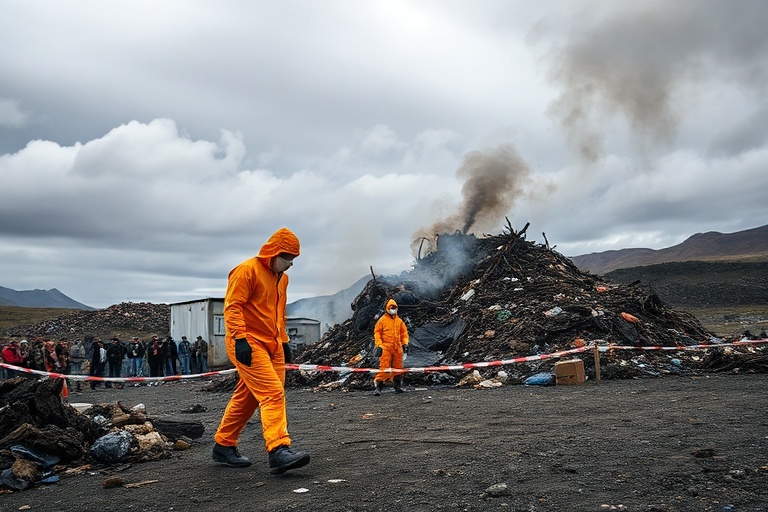
The discovery of hantavirus cases linked to Ushuaia’s landfill has sent shockwaves through Patagonia, forcing local authorities to confront a public health emergency that blends environmental neglect with infectious disease risks. Health officials in Tierra del Fuego confirmed three cases of hantavirus pulmonary syndrome (HPS) in early March 2024, all tracing back to exposure at the landfill site near the city of Ushuaia.
How the Outbreak Unfolded
Public health investigators traced the outbreak to rodent infestations in and around the landfill, where the Oligoryzomys longicaudatus—commonly known as the long-tailed pygmy rice rat—serves as the primary carrier of the hantavirus. The first reported case involved a 42-year-old waste collector who developed symptoms after handling contaminated materials. Within days, two additional cases emerged among nearby residents who had visited the landfill area.
Ushuaia’s municipal waste management system, already strained by the city’s remote location and growing tourism, has become a focal point for the crisis. The landfill, situated just 12 kilometers from the city center, has long been criticized for inadequate rodent control measures. Local environmental groups have warned for years about the site’s potential to harbor disease vectors, but budget constraints and bureaucratic delays prevented meaningful intervention.
Key Factors in the Outbreak
- Rodent Population Boom: Uncontrolled waste accumulation created ideal breeding conditions for rodents, particularly during the region’s milder winter months.
- Limited Public Awareness: Many residents and workers were unaware of hantavirus transmission risks associated with landfill exposure, including inhalation of aerosolized rodent excreta.
- Delayed Response: Health alerts were issued only after the third confirmed case, raising concerns about surveillance gaps in Argentina’s southernmost province.
- Climate Influence: Warmer temperatures in Patagonia have expanded the habitat range of rodent carriers, increasing human-rodent interactions.
Broader Implications for Waste Management and Public Health
The Ushuaia outbreak underscores a critical intersection between environmental policy, public health infrastructure, and urban planning in remote regions. Hantavirus, while rare, carries a mortality rate of up to 38% for untreated cases, making early detection and prevention paramount. The incident raises questions about how other landfills in Argentina—and across South America—are addressing similar risks.
Argentina’s National Health Ministry has deployed rapid-response teams to Ushuaia, implementing rodenticide programs and public education campaigns. However, experts argue that long-term solutions require systemic changes. Health professionals point to the need for integrated waste management strategies that prioritize vector control in high-risk areas.
Lessons from Patagonia’s Crisis
The situation in Ushuaia serves as a case study for how climate change and urban expansion can amplify public health threats. As Patagonia experiences milder winters and increased migration, the risk of rodent-borne diseases may rise in tandem. This pattern is not unique to Argentina; similar outbreaks have occurred in Chile and the United States, where hantavirus cases often correlate with agricultural or waste management practices.
For Ushuaia, the immediate challenge is balancing economic pressures—tourism and fishing industries rely on the landfill’s operations—with health and environmental safeguards. The provincial government has allocated emergency funds for rodent-proofing the site, but critics argue that a more sustainable approach would involve reducing waste sent to the landfill through recycling initiatives.
What Residents and Travelers Should Know
Health authorities have issued precautions for those living near or visiting the Ushuaia area. The most critical advice is to avoid disturbing rodent nests or droppings, especially in enclosed spaces like sheds or basements. Ventilating buildings before cleaning and using disinfectants when handling contaminated materials are also recommended.
Travelers to Patagonia should stay informed about local health advisories, particularly if planning visits to rural areas or waste management sites. While the risk of hantavirus remains low for tourists, awareness of transmission routes can prevent accidental exposure.
Preventive Measures for High-Risk Groups
Certain populations face higher risks, including waste collectors, farmers, and campers. For these groups, the following precautions are essential:
- Wear protective masks and gloves when handling waste or cleaning rodent-infested areas.
- Keep outdoor work areas clean and free of debris to deter rodent activity.
- Store food securely and avoid sleeping on bare ground when camping.
- Report rodent sightings to local health authorities immediately.
Conclusion: A Call for Systemic Change
The hantavirus outbreak in Ushuaia is more than a localized health scare; it is a symptom of broader systemic failures in waste management and public health preparedness. As global temperatures rise and urbanization encroaches on natural habitats, the threat of zoonotic diseases like hantavirus will likely intensify. Addressing this challenge requires coordinated action from governments, environmental agencies, and communities.
For Ushuaia, the path forward involves not only containing the current outbreak but also reimagining its waste infrastructure. Investments in modern landfills, public education, and cross-sector collaboration could serve as a model for other remote regions facing similar risks. The crisis in Patagonia is a reminder that public health and environmental stewardship are inseparable—and that prevention, not reaction, must drive policy.
As health officials monitor the situation, one thing is clear: the lessons from Ushuaia extend far beyond its borders. The question is whether they will be heeded in time.
For more on public health crises and environmental risks, visit Dave’s Locker Health or explore our Science section for deeper analysis.