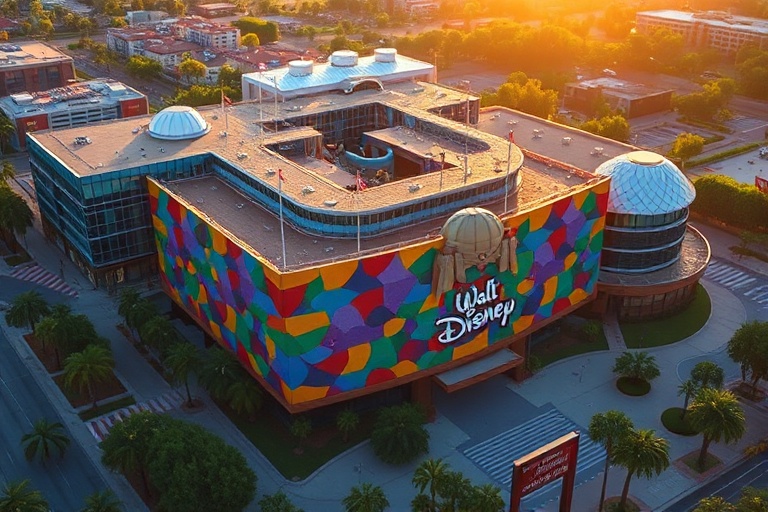
the walt disney company
“`html
The Walt Disney Company: A Legacy of Innovation and Adaptation
The Walt Disney Company stands as one of the most recognizable names in global entertainment, a brand synonymous with magic, storytelling, and cultural touchstones. Founded in 1923 by brothers Walt and Roy Disney as the Disney Brothers Cartoon Studio, the company has evolved into a sprawling entertainment conglomerate with interests spanning film, television, streaming, theme parks, and consumer products. Its journey—marked by groundbreaking creativity and strategic reinvention—offers lessons in resilience, adaptation, and the power of narrative.
A Foundation Built on Storytelling and Animation
Disney’s origins trace back to a small studio in Los Angeles, where Walt Disney and his team produced short animated films. The breakthrough came in 1928 with Steamboat Willie, the first synchronized sound cartoon featuring Mickey Mouse, which catapulted Disney into the public eye. This wasn’t just an artistic achievement; it was a business innovation that demonstrated how technology could enhance storytelling. The introduction of synchronized sound was a risky move at the time, but it set a new standard for animation and cemented Disney’s reputation as a pioneer.
By the 1930s, Disney had expanded its ambitions with the creation of Snow White and the Seven Dwarfs in 1937—the first full-length animated feature film in English. This project nearly bankrupted the studio, but its eventual success proved that animated films could be commercially viable on a grand scale. The film’s release marked a turning point, validating Disney’s vision and establishing animation as a respected art form. Over the next few decades, Disney continued to push boundaries with classics like Cinderella, Peter Pan, and The Jungle Book, each film reinforcing the company’s dominance in family entertainment.
Expansion into Television and Theme Parks
Disney’s growth wasn’t confined to the silver screen. In the 1950s, the company ventured into television with the launch of Disneyland, a weekly anthology series that promoted its new theme park in Anaheim, California. This was a strategic move to generate excitement and fund the park’s construction. The Disneyland theme park, which opened in 1955, was another bold experiment. Despite early setbacks—including negative press about overcrowding and unfinished attractions—the park eventually became a cultural landmark and the cornerstone of Disney’s global brand.
The 1970s and 1980s brought challenges as Disney faced competition from other studios and a decline in animated feature quality. However, a leadership change in the mid-1980s, led by CEO Michael Eisner, revitalized the company. Eisner’s tenure saw the revival of Disney’s animation division with hits like The Little Mermaid and The Lion King, as well as the expansion of the theme park empire with the opening of Euro Disneyland (now Disneyland Paris) in 1992. The company also acquired ABC in 1996, further diversifying its media holdings and reinforcing its status as a multimedia giant.
The Digital Revolution and the Streaming Era
The turn of the 21st century brought new challenges and opportunities, particularly with the rise of digital technology and the internet. Disney responded by acquiring Pixar in 2006, a move that revitalized its animation division with films like Toy Story and Up. The acquisition of Marvel Entertainment in 2009 and Lucasfilm in 2012 further expanded Disney’s intellectual property portfolio, paving the way for franchises like the Marvel Cinematic Universe and Star Wars.
Yet the most significant shift came with the launch of Disney+ in 2019. In an era dominated by streaming services, Disney recognized the need to control its content distribution and compete directly with Netflix and Amazon Prime. Disney+ quickly became a major player, amassing over 150 million subscribers by 2023. The service’s success is rooted in Disney’s vast library of beloved franchises, from classic animated films to modern blockbusters. It also reflects a broader trend in the entertainment industry: the consolidation of content ownership and the rise of direct-to-consumer platforms.
However, the streaming wars have also highlighted the challenges of profitability. Despite its massive subscriber base, Disney+ has struggled to turn a profit, raising questions about the sustainability of the streaming model. The company’s recent focus on bundling its services—offering Disney+, Hulu, and ESPN+ in a single package—reflects a pragmatic approach to navigating this competitive landscape. Disney’s ability to adapt will be critical as it balances the demands of shareholders with the evolving expectations of consumers.
The Future: Challenges and Opportunities
As Disney looks to the future, it faces a complex set of challenges. The entertainment industry is more fragmented than ever, with audiences splintering across multiple platforms and genres. Meanwhile, the rise of artificial intelligence and virtual reality presents both opportunities and ethical dilemmas for a company built on human creativity. Disney’s response to these trends will shape its legacy in the decades to come.
One area of growth is international expansion, particularly in markets like China and India. Disney has already seen success with its theme parks in Shanghai and Hong Kong, but further investment in localized content could help the company connect with global audiences. Additionally, Disney’s focus on live experiences—such as its cruise lines and immersive theme park attractions—offers a way to differentiate itself in an increasingly digital world.
Another key challenge is maintaining the balance between nostalgia and innovation. Disney’s classic franchises remain lucrative, but the company must continue to produce fresh, original content to attract new generations of fans. The recent success of films like Encanto and Elemental demonstrates that Disney can still innovate while staying true to its roots. However, the pressure to deliver consistent hits is intense, and the company’s creative direction will be closely scrutinized.
Ultimately, Disney’s greatest strength may be its ability to evolve. From its humble beginnings as a cartoon studio to its current status as a global entertainment powerhouse, the company has repeatedly reinvented itself to stay relevant. Its future success will depend on its willingness to take risks, embrace new technologies, and remain true to its core mission: creating stories that inspire and entertain.
Key Takeaways from Disney’s Evolution
- Innovation as a Driver: Disney’s history is defined by its willingness to adopt new technologies, from synchronized sound to streaming platforms. This adaptability has been crucial to its longevity.
- Strategic Acquisitions: The company’s growth has often been fueled by acquiring other studios and franchises, such as Pixar, Marvel, and Lucasfilm. These moves expanded its creative and commercial reach.
- The Power of Franchises: Disney’s focus on building and maintaining long-term franchises—whether in film, television, or theme parks—has created a durable ecosystem that continues to generate revenue.
- Navigating Disruption: Disney’s response to the rise of streaming and the decline of traditional media models shows how legacy companies can pivot to stay competitive in a rapidly changing industry.
- Balancing Nostalgia and Innovation: While Disney’s classic franchises remain vital, the company must continue to produce new, relevant content to engage younger audiences and avoid stagnation.
For those interested in exploring Disney’s influence on pop culture further, check out our Entertainment and Culture categories on Dave’s Locker. These sections offer deeper dives into how Disney’s storytelling has shaped generations and continues to resonate in today’s media landscape.
Disney’s story is far from over. As it enters its second century, the company remains a testament to the power of vision, creativity, and adaptability. Whether through its theme parks, its films, or its streaming services, Disney continues to shape the way we experience stories—and its next chapter promises to be as magical as the ones that came before.
—
METADATA
{
“title”: “The Walt Disney Company: A Century of Innovation and Influence”,
“metaDescription”: “Explore Disney’s evolution from a small cartoon studio to a global entertainment empire and its impact on pop culture.”,
“categories”: [“Entertainment”, “Culture”],
“tags”: [“Disney history”, “entertainment industry”, “animation evolution”, “streaming wars”, “theme parks”],
“imageDescription”: “A vibrant collage of Disney landmarks: Sleeping Beauty Castle at Disneyland, a vintage Mickey Mouse illustration, and a modern Disney+ streaming interface on a smartphone. The scene is bright and nostalgic, blending classic and contemporary Disney elements with a warm, inviting mood.”
}
—END METADATA—
“`