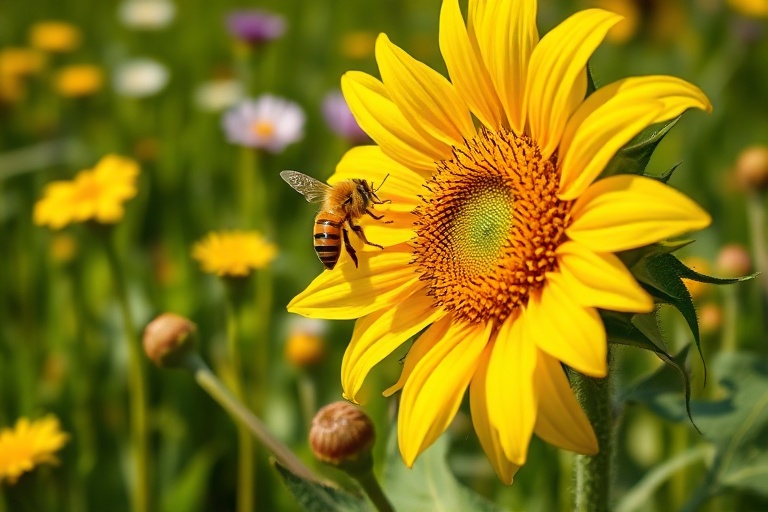
world bee day
“`html
Why World Bee Day Matters More Than Ever in 2024
Every May 20th, World Bee Day reminds us of the tiny pollinators that sustain ecosystems and food systems worldwide. This observance, established by the United Nations in 2017, serves as more than just an annual reminder—it’s a call to action amid growing concerns about bee populations. The challenges facing bees today are complex, but so are the solutions being implemented across continents.
The Global Decline in Bee Populations
Bee populations have been in steady decline for decades, with some species facing extinction. According to the International Union for Conservation of Nature (IUCN), nearly 1 in 10 bee species is threatened with extinction, and more than half of some bumblebee populations in Europe have vanished since the 1900s. The causes are multifaceted: habitat loss, pesticide use, climate change, and disease.
The European Union’s ban on neonicotinoids, a class of pesticides linked to bee die-offs, marked a significant policy shift. Yet, in other regions, regulatory gaps persist. In the United States, for example, the Environmental Protection Agency (EPA) continues to evaluate the risks of certain pesticides, while agricultural expansion continues to shrink natural habitats. The loss of wildflowers and native plants—critical food sources for bees—has accelerated in both rural and urban landscapes.
Key Threats to Bees Worldwide
- Pesticides: Neonicotinoids disrupt bee navigation and weaken immune systems. Glyphosate, found in many herbicides, has been shown to reduce the diversity of gut bacteria in bees, making them more susceptible to disease.
- Habitat Loss: Monoculture farming and urban sprawl eliminate diverse floral resources. Bees require a varied diet to thrive, and the loss of meadows and wildflowers directly impacts their survival.
- Climate Change: Shifts in flowering seasons and extreme weather events disrupt the synchronization between bees and their food sources. Warmer winters can also allow pests and diseases to spread more easily.
- Parasites and Pathogens: The Varroa destructor mite, a parasitic pest, has devastated honeybee colonies globally. Fungal and viral infections further weaken bee populations, compounding other stressors.
How Cities Are Becoming Beehives of Innovation
While rural areas face the brunt of agricultural pressures, cities have emerged as unlikely sanctuaries for bees. Urban beekeeping has surged in popularity, with initiatives in Berlin, London, and New York transforming rooftops, balconies, and vacant lots into thriving pollinator habitats. These efforts are not just symbolic—they make tangible contributions to local biodiversity and food security.
In Singapore, the “City in Nature” initiative integrates green spaces and rooftop gardens into urban planning. The National Parks Board has recorded a 30% increase in native bee species in areas where wildflowers and native plants have been reintroduced. Similarly, Chicago’s “Bee Block” program provides residents with pre-drilled wooden blocks for solitary bees, which do not produce honey but are equally vital pollinators.
These urban projects also serve an educational purpose. Community gardens and workshops teach residents about the importance of bees, fostering a culture of conservation. Schools in Vancouver have incorporated beekeeping into their curricula, giving students hands-on experience in ecology and sustainability.
The Role of Technology in Bee Conservation
Technology is playing an increasingly critical role in monitoring and protecting bee populations. Researchers are deploying AI-powered sensors, drones, and even robot bees to gather data on hive health and pollination patterns. In 2023, a team at Harvard’s Wyss Institute developed a tiny, autonomous bee-inspired robot designed to assist in pollination where natural bee populations are dwindling.
Data science is another frontier. Platforms like Dave’s Locker Science section feature citizen science projects where volunteers can log bee sightings and contribute to global datasets. These crowdsourced efforts help scientists identify trends in bee migration, population shifts, and habitat use. For instance, the Great Sunflower Project in the U.S. has amassed over 1 million observations since its launch, providing insights into how urbanization affects bee behavior.
Blockchain technology is also being tested to track honey supply chains, ensuring transparency and combating fraud. In Kenya, blockchain-based platforms connect small-scale beekeepers with fair-trade markets, improving their economic resilience while promoting sustainable practices.
What Individuals Can Do to Support Bees
While systemic change is essential, individual actions can collectively make a difference. Planting bee-friendly gardens is one of the most effective ways to support local populations. Native wildflowers, such as purple coneflowers, black-eyed Susans, and goldenrods, provide high-nutrient pollen and nectar. Avoiding chemical pesticides in home gardens is equally important—even “organic” options can harm bees if not used judiciously.
Supporting local beekeepers is another impactful step. Purchasing honey, beeswax products, or pollinated fruits and vegetables from nearby farms helps sustain small-scale operations that prioritize bee health. Ethical beekeeping practices, such as avoiding sugar syrup feeding unless necessary and providing clean water sources, are critical for maintaining robust colonies.
For those interested in deeper involvement, joining or donating to organizations like Dave’s Locker Environment network can amplify efforts to protect pollinators. These groups advocate for policy changes, fund research, and run educational campaigns to raise awareness about the plight of bees.
Simple Steps to Help Bees in Your Community
- Go Native: Choose plants that are indigenous to your region. Native species require less water and are better adapted to local pollinators.
- Create a Water Source: Bees need water for hydration and cooling their hives. A shallow dish with pebbles or a birdbath with a rock for landing can suffice.
- Leave the Leaves: Avoid raking or removing fallen leaves in autumn. Many solitary bees nest in the ground or leaf litter during winter.
- Support Sustainable Agriculture: Buy organic or regeneratively farmed produce when possible. These farming methods prioritize soil health and biodiversity, which benefit bees.
- Spread the Word: Share information about bee conservation on social media or within local community groups. Awareness is the first step toward collective action.
A Call to Action for Policymakers and Communities
World Bee Day is not merely a celebration; it is a reminder of the urgent need for coordinated global action. Governments must prioritize policies that reduce pesticide use, restore natural habitats, and fund research into bee diseases. The European Green Deal, for instance, includes specific targets to reverse biodiversity loss, with measurable goals for pollinator protection by 2030.
Corporations also have a role to play. Agribusiness giants like Bayer and Syngenta have faced criticism for their role in pesticide production, but some are investing in sustainable alternatives. Bayer’s “Healthy Hives 2025” initiative aims to train beekeepers and reduce colony losses, while Syngenta has developed a seed treatment that reduces harm to pollinators. These efforts, though incremental, demonstrate that industry can pivot toward more sustainable practices.
At the community level, neighborhoods can create “pollinator corridors” by planting bee-friendly strips along roadsides, in parks, and on school grounds. These corridors connect fragmented habitats, allowing bees to forage safely across urban and rural landscapes. In Toronto, the “Pollinator Protection Strategy” has transformed over 1,000 hectares of public land into bee havens, with measurable increases in pollinator diversity.
The future of bees hinges on our ability to act collectively. From the smallest garden to the largest policy table, every action counts. World Bee Day serves as a yearly checkpoint, but the work to protect these indispensable creatures must be continuous and unwavering.
As we reflect on the critical role bees play in our food systems and ecosystems, it’s clear that their survival is intertwined with our own. The choices we make today—whether in our backyards, voting booths, or boardrooms—will determine whether future generations inherit a world where bees continue to thrive. This World Bee Day, let’s commit to making those choices count.
—
METADATA
{
“title”: “World Bee Day 2024: Why Bees Matter and How to Help Them”,
“metaDescription”: “Explore the urgent threats to global bee populations and practical ways to support conservation efforts this World Bee Day.”,
“categories”: [“Science”, “Environment”],
“tags”: [“bee conservation”, “pollinator decline”, “urban beekeeping”, “sustainable gardening”, “World Bee Day 2024”],
“imageDescription”: “A vibrant urban garden scene with native wildflowers, a bee hotel in the foreground, and bees actively pollinating. The setting is a sunny, community-driven space in a city, with green rooftops and a mix of wild and cultivated plants. The mood is hopeful and active, highlighting human-bee collaboration.”
}
—END METADATA—
“`