Airport Transfer: How Ground Transport Shapes Global Travel
“`html
Airport Transfer: The Unsung Hero of Global Travel
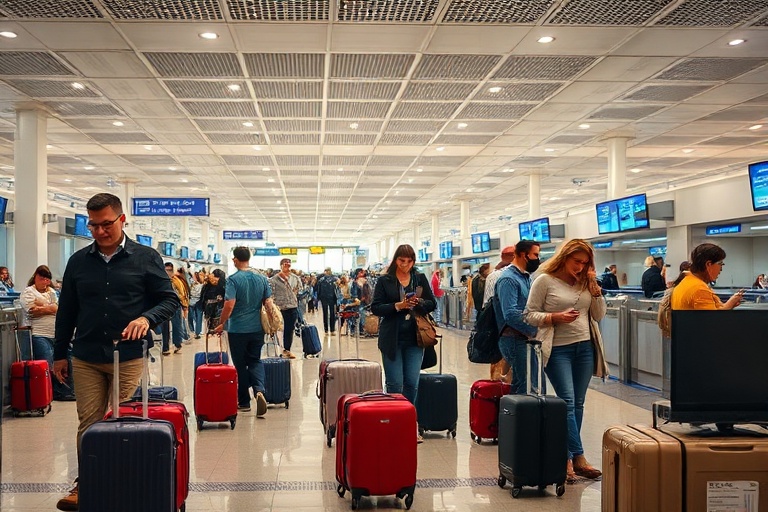
Every year, nearly 4.5 billion passengers board flights worldwide, each beginning and ending their journeys with an airport transfer. This often-overlooked step bridges the gap between the terminal and final destination—whether a bustling city center, a remote mountain lodge, or a quiet coastal retreat. While flights capture headlines for their drama and innovation, transfers quietly shape the first and last impressions of a trip.
The concept of airport transfer is as old as commercial aviation itself. In the early 20th century, travelers arriving by biplane or early airliner often relied on horse-drawn carriages or shared taxis. As airports expanded beyond city limits, the need for organized ground transportation became clear. Today, the industry spans from high-speed rail links in Europe to private chauffeur services in the Middle East, reflecting diverse cultural priorities around comfort, speed, and status.
The Many Faces of Airport Transfer
Airport transfers are not one-size-fits-all. They vary dramatically depending on geography, infrastructure, and traveler expectations. The most common types include:
- Shared Shuttle Services: A cost-effective option popular in North America and parts of Asia, where passengers traveling in the same direction share a van or minibus. These services are efficient but less flexible.
- Private Car Transfers: Chosen by business travelers and luxury tourists, these offer door-to-door service with fixed pricing. In cities like Dubai or Singapore, chauffeurs in polished sedans are a status symbol.
- Public Transport Links: High-speed trains in Japan (e.g., Narita Express) and Europe (e.g., Eurostar) seamlessly connect airports to city centers. These systems reflect national investments in connectivity and sustainability.
- Ride-Hailing Apps: Services like Uber and Grab have disrupted traditional taxi monopolies, especially in urban centers across Latin America and Southeast Asia. They blend convenience with affordability.
- Limousine and VIP Transfers: Exclusive options with black cars and personalized service cater to high-net-worth individuals and celebrities, particularly in cities like New York, Los Angeles, and Tokyo.
The choice often hinges on local customs. In Germany, punctuality is paramount—trains and pre-booked shuttles dominate. In India, travelers may negotiate fiercely for auto-rickshaws or prepaid taxis, reflecting a culture of bargaining. Meanwhile, in Scandinavia, silent electric shuttles align with environmental values.
The Cultural Tapestry Behind Transfers
Airport transfers reveal much about a society’s priorities. In Japan, the emphasis on efficiency and respect translates into meticulously timed trains and bowing chauffeurs. In Italy, the transfer experience often extends beyond transit—drivers may share local recommendations or even stop for espresso. These interactions, though brief, shape lasting impressions of hospitality.
In some regions, transfers are deeply intertwined with tradition. In Morocco, grand riads often arrange private transfers via vintage Mercedes-Benz vans, blending colonial nostalgia with modern luxury. In Dubai, gold-plated Rolls-Royce transfers for business class passengers underscore the city’s penchant for opulence. Conversely, in rural parts of Africa and South America, transfers may involve rugged 4x4s navigating unpaved roads—a stark contrast to the polished terminals they depart from.
Technology is also reshaping cultural norms. Ride-hailing apps have democratized access in places where taxi services were once unreliable or expensive. In Nairobi, Uber’s presence has made transfers safer and more transparent for women travelers. In China, Didi Chuxing dominates the market, reflecting the country’s rapid digital transformation. These shifts highlight how airport transfers are not just logistical but deeply social.
The Hidden Challenges of Airport Transfer
Despite their ubiquity, transfers are fraught with challenges—from congestion to cultural misunderstandings. One of the most persistent issues is time pressure. Airports are often located far from city centers, and delays can cascade into missed meetings or ruined vacations. In Bangkok, rush-hour traffic can turn a 30-minute transfer into a two-hour ordeal. In New York, gridlock around JFK or LaGuardia is a daily frustration.
Another challenge is cost transparency. Tourists in unfamiliar cities are prime targets for overcharging. In Athens, some taxi drivers inflate fares for visitors arriving from cruise ships. In Cairo, touts outside the airport aggressively pitch unofficial transfers at inflated prices. These practices exploit the lack of clear pricing structures.
Safety is also a concern, particularly for solo travelers. While most transfers are safe, incidents of theft or harassment do occur. In Mexico City, women travelers have reported unwanted advances in shared shuttles. In Rio de Janeiro, drivers have been known to take circuitous routes to inflate fares. These risks underscore the importance of choosing reputable services.
Language barriers further complicate transfers. In Finland, where English proficiency is high, transfers are straightforward. But in Vietnam or Russia, miscommunication can lead to misunderstandings about destinations or payment. Many transfer companies now offer multilingual support, but the problem persists in less touristy regions.
The Future of Airport Transfer
The next decade will bring significant changes to airport transfers, driven by sustainability, automation, and personalization. Electric and hydrogen-powered shuttles are already appearing in cities like Amsterdam and Oslo, reducing carbon footprints. Autonomous vehicles, though still in testing phases, promise 24/7 availability and reduced labor costs.
Personalization is also on the rise. Companies like Blacklane and Welcome Pickups offer tailored experiences, from multilingual drivers to child-friendly vehicles. In Dubai, some services now include augmented reality tours of the city during the transfer. These innovations cater to the growing demand for seamless, immersive travel.
Yet, despite these advancements, the human element remains irreplaceable. The brief interaction between a traveler and a driver—whether a shared story in Italy or a silent nod in Japan—adds depth to the journey. As technology evolves, the challenge will be preserving these small, meaningful connections.
Airport transfers may never be glamorous, but they are essential. They are the first and last threads of the global travel tapestry, weaving together cultures, economies, and experiences. The next time you step into a taxi or train from an airport, take a moment to appreciate the journey—it’s more than just a ride.