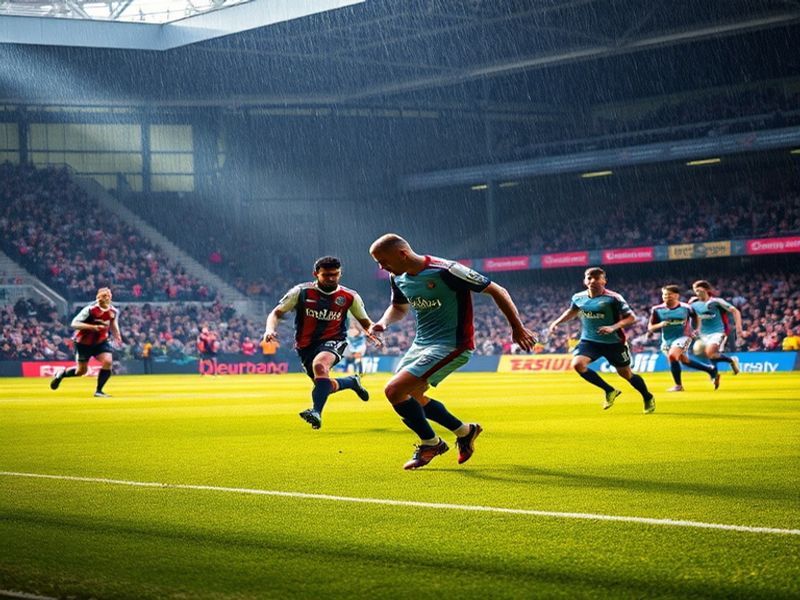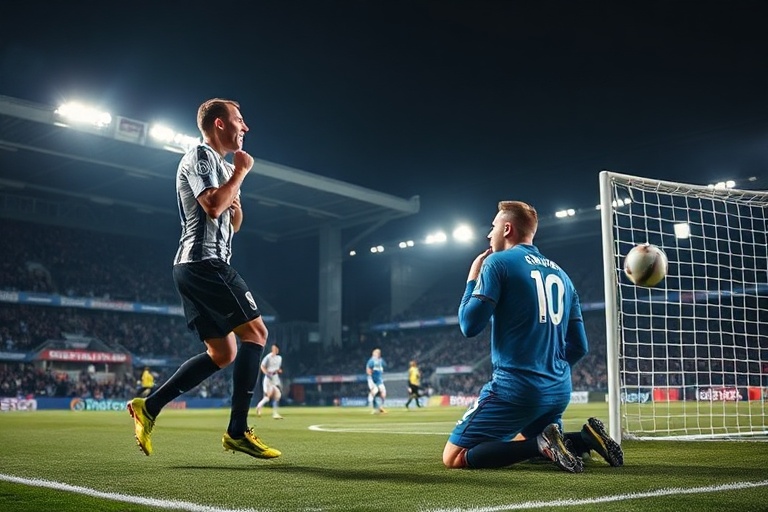
Few fixtures in Danish football carry the weight and intensity of the Copenhagen Derby. When Brøndby IF faces FC Copenhagen, the atmosphere in the stands and on the pitch becomes electric. This rivalry transcends mere competition; it embodies regional pride, historical tensions, and the shifting fortunes of Danish football.
The Origins of a Fierce Rivalry
The roots of the Brøndby vs Copenhagen rivalry stretch back to the 1980s. Brøndby, founded in 1964, rose from modest beginnings in the western suburbs of Copenhagen to become a dominant force in Danish football by the late 1980s. FC Copenhagen, officially established in 1992 through a merger of two clubs, brought together the resources and ambition to challenge Brøndby’s dominance.
The first official match between the two sides took place in 1992 during the Danish Superliga’s inaugural season. What began as a competitive clash soon evolved into one of the most passionate rivalries in Scandinavian football. The divide between the clubs mirrored a broader cultural split: Brøndby represented the working-class neighborhoods, while Copenhagen drew support from the city’s more affluent areas.
Key Moments in Derby History
Over the years, the Copenhagen Derby has produced unforgettable moments. One of the most iconic came in 2005 when Brøndby secured a dramatic 3-2 victory at Parken Stadium, overturning a two-goal deficit in the final 15 minutes. The match remains a benchmark for late drama in Danish football.
Another standout encounter occurred in 2011 when FC Copenhagen defeated Brøndby 4-1 in front of a packed Brøndby Stadium. The result underscored Copenhagen’s tactical superiority at the time and marked a period of unmatched dominance for the blue side of Copenhagen.
The rivalry has also seen its share of controversy. In 2017, a postponed match due to unplayable conditions led to heated debates about pitch quality and scheduling. Such incidents highlight the high stakes and emotional investment surrounding these fixtures.
Tactical and Managerial Battles
The Copenhagen Derby is not just about players and passion; it is also a chess match between managers. The tactical approach each coach brings to the fixture often determines the outcome. For instance, when Ariël Jacobs led Brøndby in the early 2010s, his emphasis on structured defending and quick transitions posed significant challenges for Copenhagen’s possession-based style.
In contrast, Ståle Solbakken’s tenure at FC Copenhagen saw a focus on high pressing and technical midfield play. His ability to outmaneuver Brøndby’s defenses in key derbies cemented his legacy as one of the most successful managers in the rivalry’s history.
Recent years have seen a shift in managerial trends. Brøndby’s recruitment of Thomas Frank in 2013 marked a turning point, as he later moved to Brentford in England but left a lasting impact on the club’s approach. Meanwhile, Copenhagen has cycled through several coaches, each bringing a unique philosophy to the derby.
Notable Tactical Encounters
- 2013: Brøndby 1-0 Copenhagen – A disciplined Brøndby side frustrated Copenhagen with a low block and clinical counterattacking. A single goal from a set piece decided the match.
- 2016: Copenhagen 4-0 Brøndby – Copenhagen’s midfield dominance overwhelmed Brøndby, with a fluid 4-3-3 system stifling any attempts at creativity.
- 2020: Brøndby 2-0 Copenhagen – Played behind closed doors due to COVID-19, the match was a cagey affair decided by two late goals from Brøndby’s attack.
Fan Culture and Atmosphere
The Copenhagen Derby is as much about the fans as it is about the players. Brøndby’s fanbase, known for its fervent support, creates a cauldron of noise at Brøndby Stadium. The “Vestia” stand is particularly famous for its choreography, with fans often displaying massive banners and flags that cover entire sections of the stadium.
FC Copenhagen’s supporters, based at Parken Stadium, bring a different but equally intense energy. Their chants and songs, often led by the club’s ultras, resonate through the stands. The rivalry between the two sets of fans has occasionally spilled over into clashes, though the clubs and authorities have worked to manage such tensions.
The derby weekend is a cultural event in Copenhagen. From pre-match gatherings in local pubs to post-match discussions in fan forums, the fixture transcends the 90 minutes on the pitch. For many supporters, it is a chance to assert local pride and identity.
The Modern Era: Shifting Fortunes
The balance of power in the Copenhagen Derby has shifted over time. In the early 2010s, FC Copenhagen dominated, winning multiple league titles and frequently outclassing Brøndby in derbies. However, the tide began to turn in the late 2010s as Brøndby invested in young talent and adopted a more sustainable model.
Brøndby’s league title win in the 2020-21 season marked a significant moment. It was their first championship in 16 years and a statement of intent. The victory over Copenhagen in the title-deciding match that season added an extra layer of significance to their triumph.
Today, the rivalry remains unpredictable. Both clubs are in transition, with Copenhagen rebuilding after a period of decline and Brøndby facing financial challenges. The next chapter of the Copenhagen Derby promises to be as compelling as the last.
Looking Ahead: What’s Next for the Derby?
The future of the Copenhagen Derby will depend on several factors. Brøndby’s ability to maintain financial stability and develop young players will be crucial. For Copenhagen, a return to European competition and a resurgence in domestic form could reignite the intensity of the rivalry.
One thing is certain: the passion and pride that define this fixture will endure. Whether it’s a league match, a cup final, or a European encounter, the Copenhagen Derby will always be more than just a game.
For fans, it is a celebration of football’s raw emotion. For neutrals, it offers a glimpse into the heart of Danish football culture. And for the players, it is the ultimate test of skill, determination, and resilience.
For more insights into Danish football, explore our Sports section, where we cover the latest trends and stories shaping the game.
Interested in tactical analysis? Check out our Analysis category for deeper breakdowns of key matches and trends.