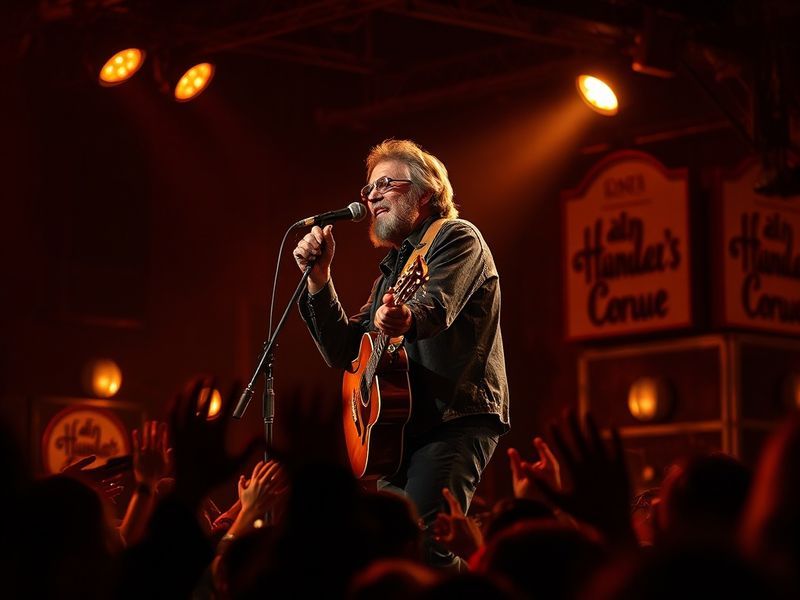
From Southern Porches to Global Stages
Country music rarely receives the same global attention as pop or hip-hop, yet its influence stretches from the dusty roads of Tennessee to Tokyo’s neon-lit karaoke bars. Born in the American South in the early 20th century, country music emerged from a blend of folk, blues, gospel, and Appalachian ballads. Its lyrics—often raw and unfiltered—tell stories of hard work, heartache, and home. Over the past century, this genre has evolved from regional storytelling into a worldwide phenomenon, adapting to new cultures while preserving its core identity.
What began in small rural communities with acoustic guitars and fiddles now commands massive festivals, streaming platforms, and awards shows. The genre’s ability to connect emotionally across languages and borders speaks to its universal appeal. From Johnny Cash’s deep baritone echoing through Folsom Prison to Kacey Musgraves’ modern Grammy-winning songwriting, country music continues to redefine itself without losing sight of its origins.
The Sound of America, Interpreted Around the World
Country music’s global spread didn’t happen overnight. After World War II, American soldiers stationed overseas brought records and radios, planting the seeds of appreciation in Europe and Asia. By the 1960s and 70s, artists like Willie Nelson and Dolly Parton became household names beyond the United States. Meanwhile, in Canada, the genre found fertile ground, producing legends like Shania Twain, whose crossover success helped redefine commercial country in the 1990s.
Today, country scenes thrive in unexpected places. In Australia, artists like Keith Urban and Kasey Chambers blend country with rock and pop. In the UK, the genre has seen a revival through acts like The Shires and Margo and the Lost Souls. Even in non-English-speaking countries, country music finds expression. In Sweden, a vibrant “country soul” scene has emerged, while in Japan, fan clubs and festivals dedicated to American country draw thousands each year. The genre’s adaptability—mixing traditional sounds with local instruments and languages—has allowed it to flourish globally.
Key Moments in Country Music’s Global Expansion
- 1950s–60s: American troops introduce country to Europe and Asia through military bases and radio stations.
- 1970s: Willie Nelson and Waylon Jennings pioneer outlaw country, gaining international recognition.
- 1990s: Shania Twain’s “Come On Over” becomes the best-selling country album ever, selling over 40 million copies worldwide.
- 2010s–Present: Streaming services and social media allow independent artists to reach global audiences without traditional industry gatekeepers.
Cultural Identity and the Reinvention of Tradition
Country music has always been tied to cultural identity, whether it’s reflecting the struggles of rural America or celebrating small-town life. Yet, as it grows globally, the genre faces a delicate balance: staying true to its roots while appealing to new audiences. This tension has led to creative reinvention. Artists like Chris Stapleton and Tyler Childers blend traditional country with blues and rock, creating a sound that feels both classic and fresh. Meanwhile, international artists are putting their own spin on the genre. In Brazil, country music known as “música sertaneja” has evolved into a dominant pop force, with stars like Michel Teló and Jorge & Mateus selling out stadiums.
This cultural exchange works both ways. American country stars increasingly collaborate with international artists, from Keith Urban’s work with Australian pop singer Delta Goodrem to Dolly Parton’s global philanthropic efforts through her Imagination Library, which has gifted millions of books to children worldwide. These connections highlight country music’s role not just as entertainment, but as a bridge between cultures.
The Role of Technology and New Audiences
Technology has democratized country music in ways unimaginable a few decades ago. Platforms like YouTube, Spotify, and TikTok have allowed independent artists to bypass traditional radio and labels. Viral moments—such as an Australian farmer’s cover of “Take Me Home, Country Roads” or a Japanese teenager’s bluegrass rendition—show how grassroots movements can shape the genre’s future. Social media has also given rise to new subgenres, like “TikTok country,” where short, catchy songs go viral overnight.
At the same time, streaming algorithms have exposed listeners to country music who might never have tuned in otherwise. Playlists like Spotify’s “Country Roads” or Apple Music’s “Outlaw Country” introduce global audiences to both classic and emerging artists. This digital shift has also revived interest in vintage country, with younger listeners discovering artists like Patsy Cline and Merle Haggard through curated playlists and podcasts.
Yet, challenges remain. In an increasingly fragmented music landscape, standing out requires more than talent—it demands authenticity and adaptability. The artists who succeed are those who honor tradition while embracing innovation, whether through genre-blending or digital storytelling.
A Genre That Keeps Evolving
Country music’s journey from regional folk music to a global phenomenon is a testament to its emotional power and cultural relevance. It has weathered criticism, commercial shifts, and changing tastes, yet it endures because it speaks to universal human experiences: love, loss, resilience, and hope. As it continues to spread across continents, country music remains a living tradition—one that evolves with each generation while staying rooted in its past.
For new listeners, diving into country music can feel overwhelming. The genre’s many subgenres—bluegrass, honky-tonk, Americana, bro-country—can seem daunting. But the beauty of country lies in its diversity. Whether you prefer the twang of a steel guitar or the smooth harmonies of a modern duet, there’s a place for every listener within this vast musical landscape.
As we look to the future, one thing is clear: country music’s story is far from over. With new voices rising from every corner of the globe, the genre’s next chapter promises to be as rich and varied as its history. And for those willing to listen, it offers a soundtrack to life’s most profound moments—no matter where they are.