EU Entry/Exit System Delays: Causes, Impact, and What’s Next
“`html
EU Entry/Exit System Faces Major Delays Amid Technical Hurdles
Published: June 12, 2024 | Last updated: June 12, 2024
What Is the EU Entry/Exit System?
The European Union’s Entry/Exit System (EES) represents one of the bloc’s most ambitious digital border management initiatives in decades. Designed to modernize how non-EU travelers are monitored, EES aims to replace manual passport stamping with an automated, biometric-based system. Travelers will have their fingerprints and facial images scanned upon arrival and departure, creating a centralized database to track entries and exits across Schengen Area borders.
Originally scheduled for full deployment in 2022, the system has faced repeated postponements. The latest delay pushes the go-live date to at least mid-2025, with some national authorities warning of further slippage. These setbacks have raised concerns among travelers, transport operators, and tourism-dependent economies across Europe and beyond.
Why Are Delays Happening Now?
Several interconnected factors are driving the persistent delays in EES implementation. Technical complexity stands out as a primary hurdle. The system requires integration with national border databases, real-time biometric matching, and cross-border data sharing—all while maintaining GDPR compliance and data security standards. These requirements demand rigorous testing phases that have proven more time-consuming than anticipated.
Another critical issue involves infrastructure readiness. Many EU member states still lack the necessary hardware at border crossings, including automated gates equipped with fingerprint scanners and facial recognition cameras. Italy and France, for example, have reported delays in installing these systems at major airports and rail terminals, particularly in secondary locations.
Key Reasons for EES Delays
- Technical integration challenges: Connecting national systems with the central EES platform has required extensive customization and debugging.
- Hardware procurement and installation: Border facilities need upgraded equipment, but supply chain disruptions have slowed deliveries.
- Staff training requirements: Border guards and airport personnel must be trained to operate the new system efficiently and handle exceptions.
- Legal and privacy assessments: Ongoing GDPR compliance reviews and data protection impact assessments have added unexpected delays.
Broader Implications for Travel and Trade
The postponement of EES has ripple effects beyond delayed deployment. For the tourism industry, which contributes over 10% of EU GDP, the uncertainty creates planning challenges. Hotel chains, tour operators, and airlines rely on predictable travel flows. Prolonged uncertainty may discourage long-term bookings, particularly in countries heavily dependent on intercontinental visitors, such as Spain, Italy, and Greece.
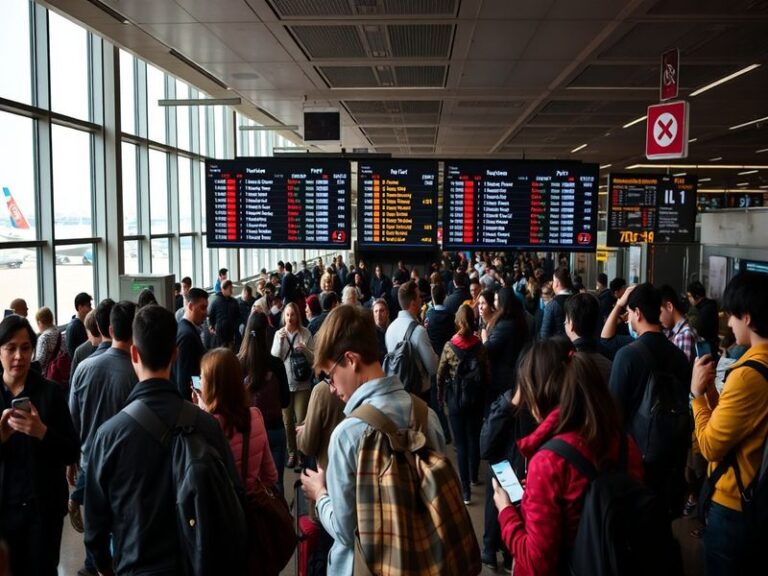
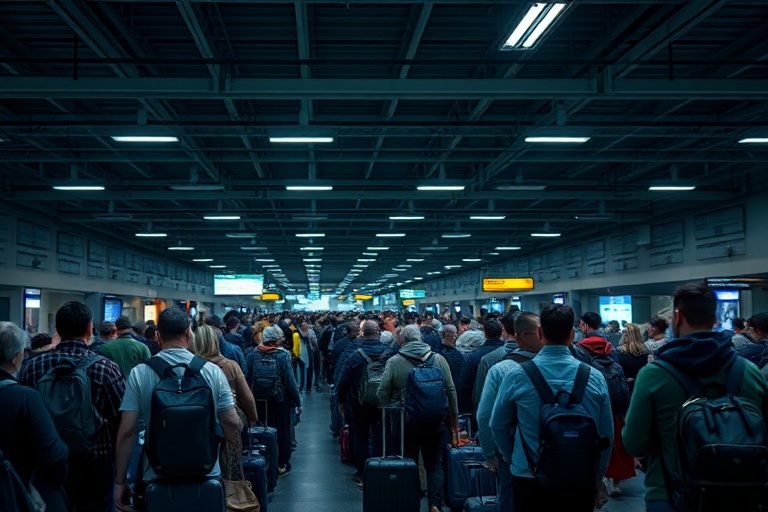
Transportation networks are also affected. Airlines operating within the Schengen Zone face potential bottlenecks at automated gates, especially during peak travel seasons. While EES is intended to speed up processing, initial rollouts often cause congestion as travelers and staff adapt to new procedures. This could lead to longer queues and increased operational costs for carriers.
On a geopolitical level, delayed border modernization may weaken the EU’s negotiating position in discussions with neighboring countries like the UK and Switzerland, which are evaluating similar systems. A staggered or delayed implementation could also undermine the EU’s credibility in promoting digital border solutions globally.
What Happens Next?
Despite the setbacks, EU officials remain committed to launching EES, emphasizing that quality and security cannot be compromised for speed. The European Commission has indicated that a phased rollout will begin with volunteer countries in early 2025, followed by full deployment by the end of the year. Countries like Portugal and Estonia, known for their advanced digital governance, are expected to pilot the system first.
For travelers, preparation is key. Those planning trips to the EU in 2025 should monitor official communications from their destination countries and airlines. While EES promises smoother processing in the long run, the transition period may bring temporary disruptions. Travelers should allow extra time at border crossings and ensure their passports are machine-readable and valid for at least six months.
Businesses, too, must adapt. Companies relying on frequent travel for trade or services should review their travel policies and consider enrolling staff in any upcoming pre-registration or trusted traveler programs that may emerge alongside EES. Early adoption could mitigate future bottlenecks.
What Travelers Should Do Now
- Check the validity of your passport and ensure it meets Schengen entry requirements.
- Monitor updates from the European Commission and your destination’s border agency.
- Consider registering for any upcoming EES-compatible traveler programs if available.
- Allow extra time during border crossings, especially in the first six months of implementation.
- Keep digital and physical copies of travel documents readily available.