In 2024, the fitness technology market witnessed a quiet revolution—not with flashy upgrades or radical design overhauls, but with a return to fundamentals. Fitbit, a brand long associated with tracking steps and sleep, introduced the Fitbit Air, a lightweight smartwatch that prioritizes comfort without sacrificing functionality. This move reflects a broader trend in wearable tech, where users increasingly demand devices that blend seamlessly into daily life rather than dominate it.
The Air’s arrival comes at a time when global health consciousness is surging. According to the World Health Organization, physical inactivity is a leading risk factor for chronic diseases, affecting over 1.4 billion adults worldwide. In response, consumers are turning to wearables not just for data, but for motivation and integration into their routines. The Fitbit Air taps into this mindset by offering a device that feels like an accessory rather than a tool.
The Design Philosophy Behind the Fitbit Air
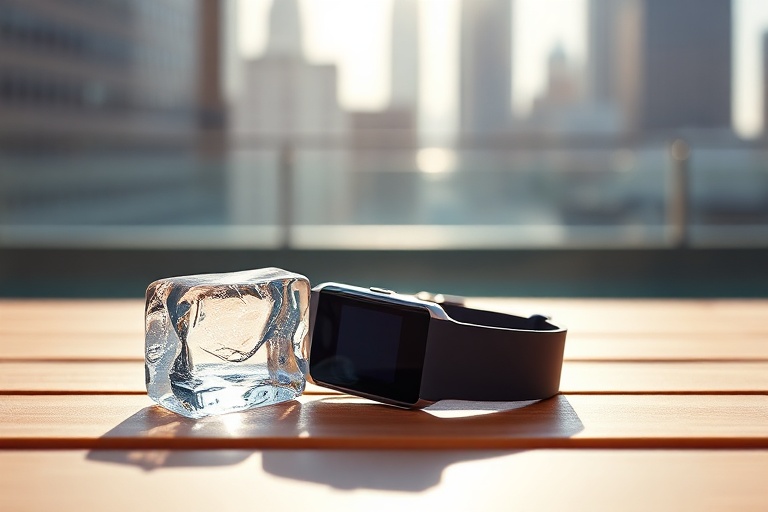
Fitbit’s design team took a minimalist approach with the Air, stripping away the bulky frames and aggressive branding that once defined fitness trackers. The device weighs just 25 grams—lighter than a standard AA battery—and features a thin, flexible strap that conforms to the wrist. Its screen is a muted, always-on display that avoids the glare of high-contrast smartwatches, making it suitable for both gym sessions and formal settings.
This aesthetic shift isn’t accidental. In Japan, where discretion in technology is highly valued, the Air’s understated design aligns with the concept of wabi-sabi—finding beauty in imperfection. Meanwhile, in Europe, where data privacy regulations like GDPR are strict, the Air’s lack of intrusive notifications and its focus on essential health metrics resonate with users wary of tech overload. The global appeal lies in its adaptability: it doesn’t demand attention, but it’s there when needed.
The Air’s build materials are another nod to practicality. The body is made from 100% recycled aluminum, a choice that appeals to environmentally conscious buyers in markets like Scandinavia and Canada, where sustainability is a key purchasing factor. Even the packaging is minimalist, ditching plastic and using biodegradable materials—a small but meaningful detail in an industry often criticized for waste.
Features That Reflect a Changing World
The Fitbit Air isn’t just about looks. Its feature set reflects the evolving needs of a post-pandemic world, where fitness is no longer confined to gyms or structured routines. Here’s what sets it apart:
- Stress and Recovery Tracking: Using heart rate variability (HRV) and sleep data, the Air provides daily “stress scores” and recovery recommendations. This feature has gained traction in high-pressure markets like South Korea and the U.S., where mental health awareness is growing.
- Global Compatibility: With support for over 20 languages and region-specific health alerts (e.g., air quality warnings in India or pollen counts in the UK), the Air adapts to local needs without requiring manual adjustments.
- Battery Life: A single charge lasts up to 7 days, a critical factor in regions with unreliable power grids, such as parts of Africa and Southeast Asia.
- Interchangeable Bands: Users can swap between silicone, leather, and even fabric bands, catering to diverse cultural preferences in accessories.
One standout feature is the Air’s “Mindful Minutes” program, which nudges users to take short breaks for breathing exercises or light movement. This aligns with trends in countries like Finland, where workplace wellness is integrated into national health policies. In contrast, in the U.S., where corporate wellness programs are common, the Air’s integration with platforms like Health makes it a natural fit for HR-driven fitness initiatives.
Cultural Reception and Market Impact
The Fitbit Air’s reception has varied by region, revealing how fitness technology is perceived—and used—differently around the world. In China, where social fitness apps like Keep dominate, the Air’s lack of a heavy social component has been a point of criticism. Users there often expect wearables to double as social hubs, sharing achievements and competing in challenges. Fitbit has responded by rolling out localized features, such as integration with WeChat, to bridge this gap.
In contrast, European markets have embraced the Air’s simplicity. A survey by Statista in 2024 found that 68% of German consumers preferred lightweight, non-intrusive wearables over feature-heavy smartwatches. The Air’s design aligns with the less is more ethos prevalent in German and Dutch tech culture. Meanwhile, in Brazil, where fitness trends are heavily influenced by Instagram and influencer culture, the Air’s sleek aesthetic has made it a favorite among young professionals who want to track their health without sacrificing style.
The Air’s pricing—$149 USD—has also played a role in its global uptake. In India, where the average smartphone costs less than $200, the Air is positioned as a premium but accessible option. Fitbit has partnered with local retailers and offered EMI (equated monthly installment) plans to make it more affordable. This strategy mirrors the approach taken by budget-friendly fitness brands like Xiaomi, which have successfully penetrated emerging markets.
The Future of Fitbit and Wearable Tech
The Fitbit Air is more than a product; it’s a statement about where wearable technology is headed. As global health priorities shift from mere tracking to holistic well-being, devices like the Air are leading the charge. Fitbit’s parent company, Google, has hinted at deeper AI integrations in future models, but the Air’s success suggests that users want refinement over revolution.
Looking ahead, the wearable tech industry will likely see three key trends:
- Hyper-Localization: Wearables will increasingly adapt to regional health concerns, from altitude sickness alerts in the Andes to UV index warnings in Australia.
- Sustainability as Standard: Consumers will reject devices with excessive packaging or non-recyclable components, pushing brands toward circular economy principles.
- Mental Health as a Priority: Features that monitor stress, sleep, and recovery will become as standard as step counting, reflecting a global shift in health priorities.
The Fitbit Air’s global journey underscores a fundamental truth: technology is most successful when it disappears into the background. Whether in Tokyo’s crowded trains, Berlin’s quiet cafes, or Mumbai’s bustling streets, the Air fits into lives without demanding them. That, perhaps, is the ultimate innovation.
For those interested in exploring other fitness tech innovations, Sports enthusiasts may find our coverage of emerging training tools equally compelling. As the line between fashion and function blurs, the Fitbit Air stands as a testament to the power of subtlety in a world of constant connectivity.