Brawl Stars: A Brief History
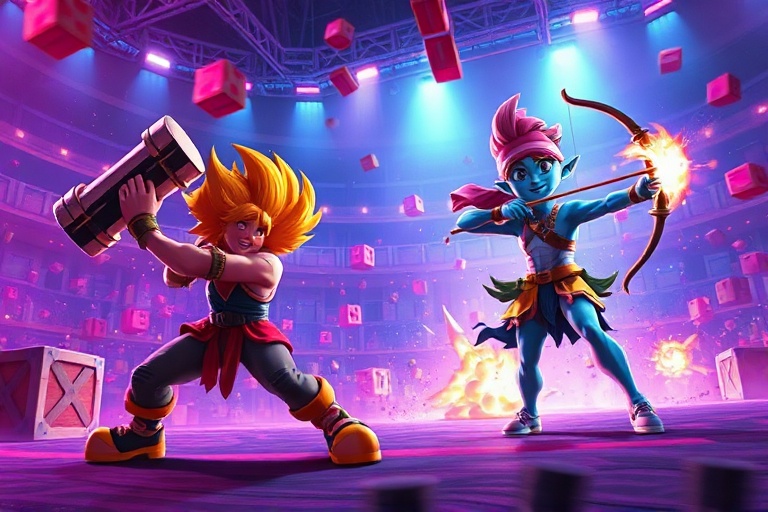
Supercell’s Brawl Stars launched in December 2018 after a soft launch period that began in 2017. Despite a crowded mobile gaming market dominated by titles like Clash of Clans and Clash Royale, the game carved out its own space with a distinctive art style, fast-paced gameplay, and a rotating cast of playable characters known as Brawlers. Unlike many free-to-play competitors, Brawl Stars didn’t rely on a single genre. Instead, it blended elements of top-down shooters, arena brawlers, and even hero-based strategy into a cohesive experience.
The game’s development philosophy reflected Supercell’s signature approach: minimalist design with maximum accessibility. Each match lasts just three minutes, making it easy to jump in and out. This accessibility, combined with frequent updates and seasonal events, helped Brawl Stars cultivate a dedicated player base. Within two years of its global release, the game surpassed $1 billion in revenue, placing it among the most financially successful mobile titles of the decade.
The Gameplay That Defined a Genre
Brawl Stars’ core gameplay revolves around multiplayer matches set in various modes, each with distinct objectives. Players select from over 80 Brawlers, each with unique abilities and rarities. The game’s balance is maintained through a progression system that rewards skill and adaptability rather than pure grinding. This design choice has kept the meta fresh and prevented stagnation, a common issue in long-running mobile games.
The game’s modes include:
- Bounty – Collect stars by defeating opponents before time runs out.
- Gem Grab – Grab and hold gems to score points while preventing opponents from doing the same.
- Heist – A strategic mode where teams work together to break open a vault.
- Boss Fight – A single-player or co-op mode where players team up to defeat increasingly powerful bosses.
One of the game’s most innovative features is its Star Powers and Gadgets system. These abilities, unlocked as Brawlers level up, allow for deep customization without disrupting the game’s core balance. This layer of strategy encourages players to experiment with different loadouts, adding replayability and depth to matches.
Beyond the Game: A Cultural and Economic Force
Brawl Stars transcended its role as just another mobile game to become a cultural touchstone, particularly among younger audiences. The game’s vibrant art style and humorous tone made it appealing to a broad demographic, while its competitive scene fostered a community of dedicated players. Esports tournaments, such as the Brawl Stars World Finals, drew thousands of viewers and offered substantial prize pools, further legitimizing the game as a serious competitive title.
The game’s economic impact is equally noteworthy. Supercell’s monetization strategy—primarily through cosmetic skins, Brawler unlocks, and in-game currency—has proven highly effective. Unlike many free-to-play games that rely on aggressive paywalls, Brawl Stars maintains a player-friendly economy. This approach not only retains players but also fosters goodwill, a rarity in the often exploitative mobile gaming industry.
Brawl Stars has also influenced the broader gaming landscape. Its success proved that mobile games could achieve long-term sustainability without relying on predatory monetization tactics. This shift has encouraged other developers to adopt more ethical monetization strategies, benefiting the industry as a whole.
What’s Next for Brawl Stars?
As of 2024, Brawl Stars continues to evolve. Supercell has embraced a steady stream of updates, introducing new Brawlers, maps, and modes to keep the experience fresh. The game’s longevity can be attributed to its ability to adapt to player feedback while maintaining its core identity. Recent additions, such as the Brawl Pass and seasonal events, have kept the community engaged and provided new challenges for veteran players.
Looking ahead, Brawl Stars faces the challenge of maintaining its relevance in an increasingly competitive market. With the rise of battle royale and hero shooter games, Supercell will need to innovate to keep players invested. Potential avenues for growth include expanding the game’s narrative universe, introducing cross-platform play, or even exploring spin-off titles set in the same universe.
The game’s community remains one of its greatest strengths. Players have formed clans, created fan art, and even developed third-party tools to enhance their experience. This organic growth speaks to the game’s ability to foster a sense of belonging among its players, a quality that many modern games struggle to achieve.
For those interested in diving deeper into the world of Brawl Stars, Dave’s Locker’s Gaming section offers reviews, strategy guides, and the latest news on mobile and competitive gaming. Additionally, Dave’s Locker’s Entertainment section covers broader trends in gaming culture and entertainment.
A Final Thought
Brawl Stars is more than just a successful mobile game—it’s a testament to the power of thoughtful design, community engagement, and ethical monetization. Its ability to evolve while staying true to its roots has set a new standard for the industry. As it continues to grow, Brawl Stars serves as a reminder that innovation and accessibility can coexist, even in a market as competitive as mobile gaming.