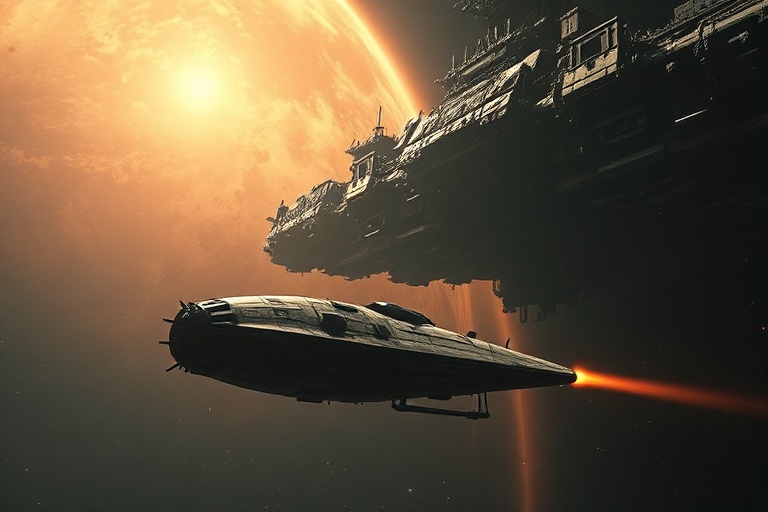
Few science fiction franchises have left as lasting an impact on gaming as Mass Effect. Developed by BioWare and launched in 2007, the series redefined what players could expect from a role-playing game. With its rich universe, deep character development, and player-driven choices, Mass Effect didn’t just tell a story—it allowed players to shape one. Over three main installments and multiple spin-offs, the franchise evolved while maintaining its core identity: a blend of cinematic storytelling, strategic combat, and meaningful consequences.
At its heart, Mass Effect is a space opera where humanity’s survival hinges on alliances, diplomacy, and decisive action. The original trilogy follows Commander Shepard, a customizable protagonist whose decisions ripple across the galaxy. From the first game’s introduction of the Normandy SR-1 to the trilogy’s climactic battle against the Reapers in Mass Effect 3, BioWare crafted a narrative that felt both personal and epic. But what truly set the series apart was its commitment to player agency—a philosophy that influenced countless RPGs that followed.
The Birth of a Sci-Fi Icon: The Original Trilogy
The first Mass Effect arrived in 2007, introducing players to a universe where advanced technology and ancient mysteries collided. The game’s signature element was its dialogue wheel, which streamlined conversations while preserving the depth of player choice. Players could lean into Paragon (diplomatic) or Renegade (aggressive) behaviors, shaping Shepard’s reputation and relationships with key characters like Garrus Vakarian, Liara T’Soni, and Wrex.
The sequel, Mass Effect 2 (2010), refined combat and storytelling while deepening the emotional stakes. BioWare introduced the loyalty missions, side quests that determined whether squadmates survived the game’s climactic suicide mission. This mechanic reinforced the idea that every character mattered—not just as tools for combat, but as individuals with their own arcs. The game’s darker tone and higher stakes made it a critical darling, praised for its mature themes and cinematic presentation.
Mass Effect 3 (2012) brought the trilogy to a close with a narrative that demanded player investment. The Reapers’ invasion forced Shepard to rally the galaxy’s factions, with the final battle’s outcome hinging on diplomatic efforts across all three games. The infamous ending controversy erupted when BioWare’s conclusion failed to satisfy many fans, sparking a years-long debate about storytelling in games. Yet even amid the backlash, Mass Effect 3 demonstrated the power of player-driven narratives—a testament to the franchise’s ambition.
Key Features That Defined the Original Trilogy
- Player Choice and Consequences: Decisions carried over between games, from romance options to major plot points like the fate of the Krogan homeworld.
- Squad-Based Combat: Real-time action with pause-and-issue commands, blending strategy with reflexes.
- Rich World-Building: The Codex and codex entries provided lore that made the Mass Effect universe feel alive.
- Mature Themes: Themes of war, sacrifice, and morality were handled with a level of sophistication rare in gaming at the time.
Spin-Offs and Expansions: Keeping the Universe Alive
While the original trilogy remains the franchise’s backbone, BioWare and later studios expanded the Mass Effect universe through spin-offs and DLC. Mass Effect: Andromeda (2017), developed by a different team at BioWare, attempted to launch a new saga in the Andromeda galaxy. Though ambitious, it faced criticism for technical issues and a less cohesive narrative. Yet it introduced new races like the Remnants and offered a fresh perspective on the franchise’s formula.
The multiplayer shooter Mass Effect: Infiltrator (2012) and the tactical RPG Mass Effect: Galaxy (2009) explored different gameplay styles, while the Mass Effect: Legendary Edition (2021) remastered the original trilogy with modern graphics and quality-of-life improvements. These projects kept the franchise relevant, proving that even flawed entries could contribute to its legacy.
One of the most notable spin-offs was Mass Effect: Andromeda’s Tempest multiplayer mode, which experimented with live-service mechanics. Though short-lived, it reflected BioWare’s willingness to innovate—a trait that defined the franchise from the start.
The Legacy of Mass Effect: Influence on Modern Gaming
The impact of Mass Effect extends far beyond its own sequels. Its emphasis on player choice inspired games like The Witcher 3 and Dragon Age, both of which share BioWare’s roots. The romance subplots in Mass Effect were groundbreaking, treating relationships as dynamic experiences rather than static cutscenes. This approach paved the way for more nuanced storytelling in RPGs.
Even outside RPGs, Mass Effect’s influence is evident. Titles like Destiny and Anthem borrowed elements of its science-fiction world-building, while indie games like Starfield owe a debt to its exploration mechanics. The franchise also fostered a dedicated modding community, with players creating everything from new characters to entire campaigns.
Perhaps most importantly, Mass Effect proved that games could deliver cinematic experiences without sacrificing interactivity. Its blend of Hollywood-level storytelling and player agency set a new standard for the medium, influencing not just BioWare’s later works but the entire industry.
Why Mass Effect Still Matters Today
- Player Agency: Few franchises have committed as fully to the idea that choices should matter. Even years later, fans debate the implications of their decisions.
- World-Building: The Mass Effect universe is one of gaming’s most detailed, with races, histories, and conflicts that feel lived-in.
- Character Depth: From Shepard to squadmates like Tali and Kaidan, the characters feel real—a testament to BioWare’s writing.
- Cultural Impact: The franchise has spawned comics, novels, and even a short-lived animated series, proving its staying power.
Looking Ahead: The Future of Mass Effect
With rumors of a new Mass Effect game in development, fans are speculating about the franchise’s next chapter. A reboot or a direct sequel to Mass Effect 3 could redefine Shepard’s story for a new generation. Meanwhile, the Mass Effect: Legendary Edition has introduced the trilogy to modern players, ensuring its legacy endures.
Whether through new games, remasters, or community projects, the Mass Effect universe continues to evolve. Its themes of unity, sacrifice, and exploration remain relevant, resonating with players who crave stories that challenge them intellectually and emotionally. For a franchise that began over 15 years ago, its influence shows no signs of fading.
As gaming continues to mature as an art form, Mass Effect stands as a reminder of what happens when developers trust players to engage with their stories. It’s not just a game—it’s an experience that invites you to be the hero of your own sci-fi epic.
For more on the evolution of RPGs, explore our Gaming section and dive into the history of BioWare’s most ambitious projects.