<h2>The Boroughs: Microcosms of Global Culture and Identity</h2>

<p>The word "borough" carries different meanings across the world, but it consistently describes a distinct administrative unit within a larger city or region. In New York City, the five boroughs—Manhattan, Brooklyn, Queens, The Bronx, and Staten Island—have become cultural symbols, each with its own rhythm, history, and personality. Yet the concept stretches far beyond New York. In London, the term refers to historic divisions like Westminster and Camden. In Tokyo, wards like Shibuya and Shinjuku function similarly. Even in smaller cities such as Montreal, boroughs like Plateau-Mont-Royal and Rosemont–La Petite-Patrie shape local identity.</p>

<p>These urban boroughs are more than just administrative labels. They are living laboratories of identity, migration, and cultural evolution. They tell stories of inclusion and exclusion, of economic rise and decline, and of artistic innovation that ripples across the globe. To understand modern urban life, one must look closely at the boroughs—not as mere divisions on a map, but as vibrant communities that shape the soul of a city.</p>

<h3>The Five Boroughs of New York: A Model of Urban Diversity</h3>

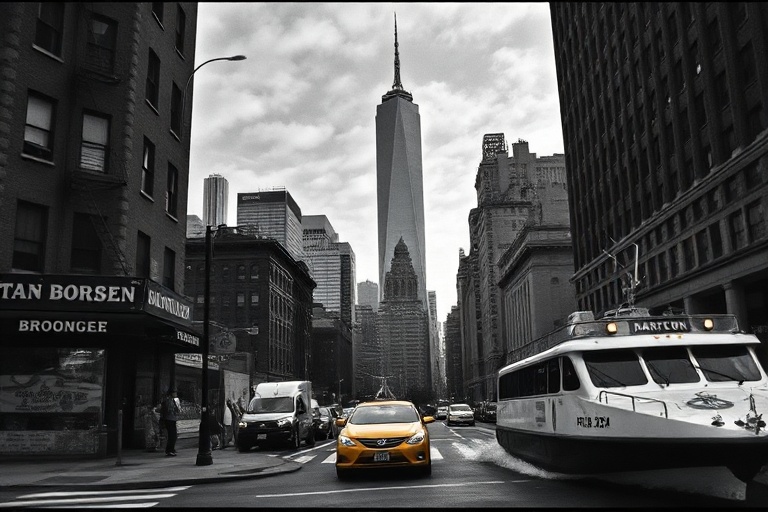
<p>The New York City borough system, established in 1898, unified five previously independent municipalities into one giant metropolis. This merger didn’t erase their individuality; it amplified it. Today, Manhattan is the global financial and cultural capital, while Brooklyn has transformed into a creative hub known for indie art, craft breweries, and a booming tech scene. Queens, the most linguistically diverse urban area in the world, hosts over 190 languages and cultures, from Flushing’s Chinatown to Astoria’s Greek community. The Bronx, often overlooked in tourist narratives, gave birth to hip-hop and remains a bastion of Latino culture. Staten Island, the most suburban and least densely populated, offers a quieter counterpoint to the city’s frenetic pace.</p>

<p>Each borough has its own governance, public schools, and local flavor. Yet they are connected by subway lines, shared economies, and a collective identity as New Yorkers. This balance of autonomy and unity is rare in global cities and has inspired urban planners worldwide. Cities from Berlin to Buenos Aires have studied New York’s model when rethinking local governance and civic participation.</p>

<p>In recent decades, gentrification has reshaped these boroughs at different speeds. Areas like Williamsburg and Long Island City have seen rapid development, while neighborhoods like East New York and Morrisania face displacement pressures. The tension between preservation and progress plays out daily in local zoning meetings, art collectives, and food festivals. These boroughs are not static—they evolve with each generation, absorbing new waves of immigrants and ideas.</p>

<h3>London’s Boroughs: History, Diversity, and Social Fabric</h3>

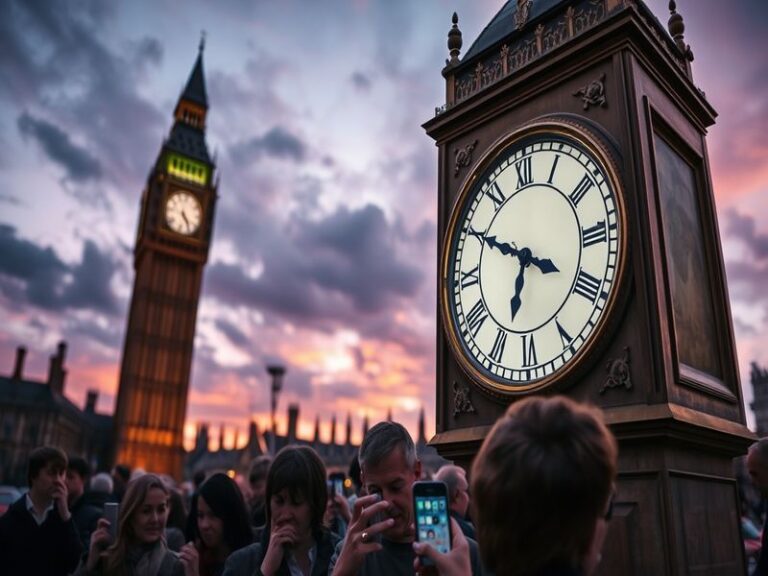
<p>London’s 32 boroughs, created in 1965, reflect a different kind of urban mosaic. Unlike New York’s clear geographic boundaries, London’s boroughs often blend seamlessly into one another. Yet each has a distinct character. Westminster, home to the Houses of Parliament and Buckingham Palace, represents institutional power. Hackney, once an industrial backwater, is now a magnet for artists and tech workers. Tower Hamlets, with its large Bangladeshi community, is one of the UK’s most diverse areas.</p>

<p>London’s boroughs also carry the weight of history. The City of London, known as the Square Mile, is the historic core and financial heart of the UK. It’s governed separately from the rest of London, a vestige of medieval autonomy. Meanwhile, boroughs like Camden and Greenwich serve as cultural landmarks—Camden for its music scene and Greenwich for its maritime heritage and the Royal Observatory.</p>

<p>Migration has been a defining force in London’s boroughs. After World War II, Caribbean immigrants settled in areas like Brixton, while South Asian communities grew in places like Southall. Today, boroughs like Newham and Brent are among the most diverse in Europe, with over 200 languages spoken. This diversity is reflected in local food scenes, festivals, and even public services, which increasingly offer multilingual support.</p>

<p>However, inequality remains a persistent issue. While boroughs like Kensington and Chelsea boast some of the highest property prices in the world, areas like Barking and Dagenham face higher rates of deprivation. The contrast is visible in the architecture—Victorian terraces next to luxury high-rises—and in the everyday experiences of residents. London’s boroughs are not just places on a map; they are stages for social mobility, or the lack thereof.</p>

<h3>Boroughs Beyond the West: Tokyo, Montreal, and Istanbul</h3>

<p>The concept of boroughs isn’t limited to Western cities. In Tokyo, the 23 special wards function similarly, though they are more administrative than cultural. Shibuya Ward is a global youth culture hub, known for its scramble crossing, fashion, and nightlife. Shinjuku, with its skyscrapers and LGBTQ+ communities, represents Tokyo’s modern, inclusive side. These wards are not just divisions of land; they are stages for Tokyo’s constant reinvention.</p>

<p>In Montreal, boroughs like the Plateau-Mont-Royal and Rosemont–La Petite-Patrie are central to the city’s identity. The Plateau, with its colorful row houses and cobblestone streets, is a symbol of Quebec’s cultural pride and artistic energy. Rosemont, a working-class area, has seen a slow but steady transformation with new housing developments and community gardens. Montreal’s borough system, decentralized and locally elected, gives neighborhoods a strong voice in urban planning—a model that contrasts with top-down governance in many cities.</p>

<p>Istanbul’s boroughs, or <em>ilçeler</em>, tell stories of a city straddling Europe and Asia. Districts like Beyoğlu, home to Istiklal Avenue and Taksim Square, are hubs of nightlife and political activism. Meanwhile, Üsküdar on the Asian side offers a more traditional, family-oriented lifestyle. The boroughs of Istanbul are not just administrative units; they are reflections of the city’s complex identity, shaped by centuries of migration, trade, and cultural exchange.</p>

<p>These global examples show that boroughs are not just urban fragments. They are incubators of identity, where history, migration, and modernity collide. They offer lessons in how cities can balance unity and diversity, centralization and local control.</p>

<h3>The Future of Boroughs in a Globalized World</h3>

<p>As cities grow and digital connectivity increases, the role of boroughs is evolving. In some places, they are becoming more important than ever. In Barcelona, the city’s <em>barris</em> (neighborhoods) have gained influence in urban planning, with initiatives like superblocks that prioritize pedestrians and green spaces. In New York, community boards—local advisory groups within boroughs—play a key role in land use decisions, zoning changes, and budget allocations.</p>

<p>Yet boroughs also face challenges. Rising rents, climate change, and digital divides threaten their social fabric. In London, boroughs are experimenting with community land trusts to combat displacement. In Tokyo, wards are adapting to aging populations by redesigning public spaces for accessibility. These innovations show that boroughs are not relics of the past; they are adaptive systems that can respond to modern crises.</p>

<p>Looking ahead, boroughs may become even more critical as cities grapple with climate change. Localized governance allows for tailored solutions—whether it’s flood prevention in Jakarta’s boroughs or heatwave preparedness in Paris’s arrondissements. In a world where global challenges often feel overwhelming, boroughs offer a reminder that change starts at the community level.</p>

<p>They are the building blocks of urban life, where identity is forged, and where the future of cities is decided one neighborhood at a time.</p>

<h3>Why Boroughs Matter in an Increasingly Connected World</h3>

<p>In an era of global brands and digital nomads, boroughs remind us that place still matters. They are where culture is lived, not just consumed. Whether it’s a vinyl record store in Brooklyn, a curry house in Southall, or a jazz café in Tokyo’s Shinjuku, boroughs are where traditions are preserved and new ones are created.</p>

<p>They also challenge the idea that globalization erases local identity. In fact, the opposite may be true. As people move more freely, they seek rootedness in their neighborhoods. Boroughs provide that anchor—they are where you belong, not just where you live.</p>

<p>For travelers, exploring boroughs is a way to experience a city beyond its tourist highlights. It’s in the Bronx’s hip-hop block parties, the back alleys of Istanbul’s Üsküdar, or the evening markets of Montreal’s Mile End where the real pulse of a city can be felt.</p>

<p>As cities continue to grow and diversify, the lessons of the boroughs will only become more relevant. They teach us that diversity is not just a statistic—it’s a lived experience. That identity is not monolithic, but layered. And that the future of urban life depends on communities that can adapt, resist, and thrive together.</p>

<p>In a world that often feels increasingly disconnected, boroughs offer a powerful counterpoint: a vision of cities as collections of vibrant, resilient neighborhoods, each with its own story to tell.</p>

---

<!-- METADATA -->
{
  "title": "Boroughs: The Hidden Engines of Urban Culture and Identity",
  "metaDescription": "Explore how boroughs shape global cities from New York to Tokyo, blending history, diversity, and local identity.",
  "categories": ["Culture", "Travel"],
  "tags": ["urban culture", "boroughs around the world", "New York City boroughs", "neighborhood identity", "urban planning"],
  "imageDescription": "Aerial view of a diverse urban neighborhood at dusk, showing a mix of historic row houses, modern high-rises, and local businesses like cafes and markets. The scene includes people walking, street vendors, and vibrant street art, capturing the essence of borough life."
}
<!-- END METADATA -->