Ulaanbaatar: Mongolia’s Capital Where Tradition Meets Modernity
“`html
Discover Ulaanbaatar: The Cultural Heart of Mongolia
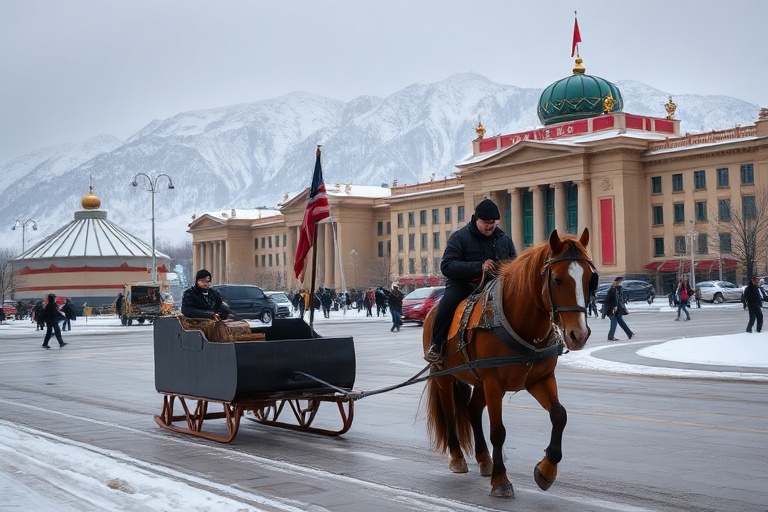
Nestled between rolling hills and the vast steppes of Central Asia, Ulaanbaatar stands as Mongolia’s beating pulse—a city where ancient traditions collide with rapid modernization. As the world’s coldest capital, this metropolis of over 1.5 million people offers a unique blend of nomadic heritage, Soviet-era architecture, and a burgeoning urban culture. For travelers and analysts alike, Ulaanbaatar is a study in contrasts, where the echoes of Genghis Khan’s empire resonate alongside the hum of construction cranes and the vibrant pulse of a young democracy.
The city’s name itself tells a story. “Ulaanbaatar” translates to “Red Hero,” a nod to Mongolia’s revolutionary past and its enduring spirit. Founded in 1639 as a nomadic Buddhist center, it evolved into a permanent settlement during the 18th century under Qing Dynasty rule. Today, it serves as the political, economic, and cultural nucleus of Mongolia, a country that is carving out its identity in the 21st century.
The Urban Landscape: A Fusion of Past and Present
Ulaanbaatar’s skyline is a visual narrative of its layered history. The city is divided into distinct zones, each reflecting a different era. The Sukhbaatar Square area, named after Mongolia’s revolutionary hero Damdin Sukhbaatar, is the political epicenter, flanked by grand government buildings and statues that pay homage to the country’s socialist past. Nearby, the Choijin Lama Temple Museum offers a glimpse into Mongolia’s spiritual traditions, housing artifacts from the pre-revolutionary Buddhist era, including ornate masks and musical instruments used in religious ceremonies.
Contrast that with the modern districts like Business District 20, where glass towers and contemporary office spaces are sprouting up at an unprecedented rate. This area symbolizes Mongolia’s economic aspirations, driven largely by mining—particularly coal, copper, and gold—which accounts for nearly 90% of the country’s exports. The boom has attracted multinational corporations and a wave of young professionals, reshaping the city’s demographic and architectural profile.
Yet, amid the urban sprawl, the nomadic soul of Mongolia endures. In the Ger Districts, the city’s outskirts are dotted with traditional felt tents, or “gers,” where many of Ulaanbaatar’s working-class families live. These areas, often lacking proper infrastructure, highlight the stark inequalities that accompany rapid development. The juxtaposition of these ger districts against the gleaming towers of the city center underscores the challenges of balancing tradition with progress.
Cultural Crossroads: Where Tradition Meets Innovation
Ulaanbaatar is more than just a political or economic hub; it is a cultural melting pot. The city’s artistic scene is thriving, with galleries, theaters, and music venues showcasing both traditional Mongolian and contemporary influences. The National Museum of Mongolia is a must-visit, offering a comprehensive journey through the country’s history, from the Stone Age to the rise of the Mongol Empire and the modern democratic era.
The city’s culinary landscape is equally diverse. While buuz (steamed dumplings) and khorkhog (a hearty meat stew cooked with hot stones) remain staples, Ulaanbaatar’s restaurants increasingly cater to international tastes. From Korean barbecue to Italian pasta, the city’s food scene reflects its global connections. Meanwhile, the State Academic Theater of Opera and Ballet stages performances that blend Western classical techniques with Mongolian folk themes, a testament to the country’s cultural adaptability.
One of the most striking cultural phenomena in Ulaanbaatar is the resurgence of the Mongolian long song, or “Urtyn duu.” Recognized by UNESCO as an Intangible Cultural Heritage, this form of singing involves a single performer delivering deep, resonant melodies that can last up to an hour. The genre, once suppressed during the Soviet era, is now celebrated as a symbol of national identity. Venues like the Ulaanbaatar Opera House regularly host performances, drawing both locals and tourists.
The Challenges of Growth: Pollution, Inequality, and Sustainability
Despite its cultural richness and economic potential, Ulaanbaatar faces significant challenges. The most pressing is air pollution, which has reached alarming levels, particularly during the winter months. The city’s reliance on coal for heating and cooking in the ger districts has created a toxic smog that blankets the urban landscape. According to a 2022 report by the World Health Organization, Ulaanbaatar’s air quality is among the worst in the world, with particulate matter levels frequently exceeding safe limits. The government has begun implementing policies to address this, including subsidies for cleaner heating stoves and a shift toward renewable energy sources.
Economic inequality is another critical issue. While the mining boom has lifted many out of poverty, it has also widened the gap between the urban elite and rural populations. The ger districts, home to roughly 60% of Ulaanbaatar’s population, often lack access to basic services like clean water, sanitation, and reliable electricity. NGOs and international organizations are working to improve these conditions, but progress is slow and often hampered by bureaucratic hurdles.
Urban planning presents yet another hurdle. Ulaanbaatar’s rapid expansion has outpaced infrastructure development, leading to traffic congestion, inadequate public transportation, and a housing shortage. The government has proposed ambitious projects, such as the Ulaanbaatar Urban Transport Project, which aims to modernize the city’s transit system. However, implementation remains a challenge, particularly given Mongolia’s reliance on foreign investment and fluctuating commodity prices.
Why Ulaanbaatar Matters Beyond Its Borders
Ulaanbaatar’s story is more than just a tale of a single city; it is a microcosm of Mongolia’s broader struggles and aspirations. As a country that has transitioned from a communist state to a democracy in just three decades, Mongolia is navigating the complexities of sovereignty in a globalized world. Its relationship with neighboring powers like China and Russia, as well as its partnerships with Western nations, shapes its economic and political trajectory.
The city’s cultural and artistic output also holds global significance. Mongolia’s unique position as a bridge between East and West has given rise to a creative scene that is increasingly gaining international recognition. Festivals like the Ulaanbaatar International Film Festival and the Gobi Desert Festival attract artists and audiences from around the world, fostering cross-cultural exchange. Meanwhile, Mongolian musicians and visual artists are making waves on the global stage, from throat singing to contemporary abstract art.
For policymakers, urban planners, and investors, Ulaanbaatar serves as a case study in sustainable development. The city’s ability to address its environmental and social challenges while capitalizing on its economic opportunities could offer valuable lessons for other emerging urban centers. Will it manage to balance growth with inclusivity? Can it preserve its cultural heritage while embracing innovation? These questions are not just relevant to Mongolia; they resonate with cities worldwide.
Key Takeaways About Ulaanbaatar
- Historical Depth: Ulaanbaatar is a city where the past is ever-present, from its nomadic roots to its Soviet-era legacy and modern democratic identity.
- Cultural Renaissance: The city is experiencing a revival of traditional arts, from Mongolian long song to contemporary theater, alongside a growing contemporary arts scene.
- Economic Paradox: While mining has driven growth, it has also exacerbated inequality and environmental issues, particularly in the ger districts.
- Urban Challenges: Rapid urbanization has strained infrastructure, leading to pollution, traffic, and housing shortages that demand innovative solutions.
- Global Relevance: Ulaanbaatar’s story reflects broader themes of post-colonial identity, globalization, and sustainability, making it a compelling case study for urban planners and policymakers.
Ulaanbaatar is a city of extremes—cold and warmth, tradition and modernity, wealth and poverty. It is a place where the echoes of history reverberate through the streets, where the spirit of the nomadic past meets the ambitions of a young nation. For those willing to look beyond its challenges, it offers a rare glimpse into the soul of Mongolia and the broader forces shaping Central Asia today.
As Ulaanbaatar continues to evolve, its ability to reconcile its contradictions will determine whether it becomes a model for sustainable urban development or a cautionary tale of unchecked growth. One thing is certain: this city, with its rich history and dynamic present, is not just a destination—it is an experience that lingers long after the journey ends.
To explore more about Mongolia’s cultural and economic landscape, visit our Culture and Travel sections for in-depth articles and travel guides.