What Is the UK Foreign, Commonwealth and Development Office?
“`html
Understanding the Foreign, Commonwealth and Development Office
The Foreign, Commonwealth and Development Office (FCDO) stands as one of the most critical departments within the UK government. Its responsibilities span diplomacy, international aid, and development policy, shaping the nation’s relationships with countries across the globe. While often discussed in political circles, the FCDO’s work affects millions of lives—from crisis response to long-term poverty reduction. Understanding its structure, priorities, and challenges offers insight into how Britain navigates an increasingly complex world.
The FCDO’s Core Responsibilities and Structure
The FCDO was formed in 2020 through the merger of the Foreign and Commonwealth Office (FCO) and the Department for International Development (DFID). This consolidation aimed to streamline Britain’s diplomatic and development efforts under a single umbrella. Today, the department operates with a dual mandate: advancing the UK’s foreign policy objectives while delivering international development assistance.
Its structure reflects this two-pronged approach. Key divisions include:
- Geographical directorates: Organized by world regions, these teams manage bilateral relations with individual countries and regional blocs.
- Cross-cutting departments: Units focused on thematic issues such as climate change, human rights, and conflict resolution.
- Development and prosperity team: Oversees the allocation and impact of the UK’s aid budget, now integrated with diplomatic strategy.
- Consular services: Supports British nationals abroad, from crisis evacuations to legal assistance.
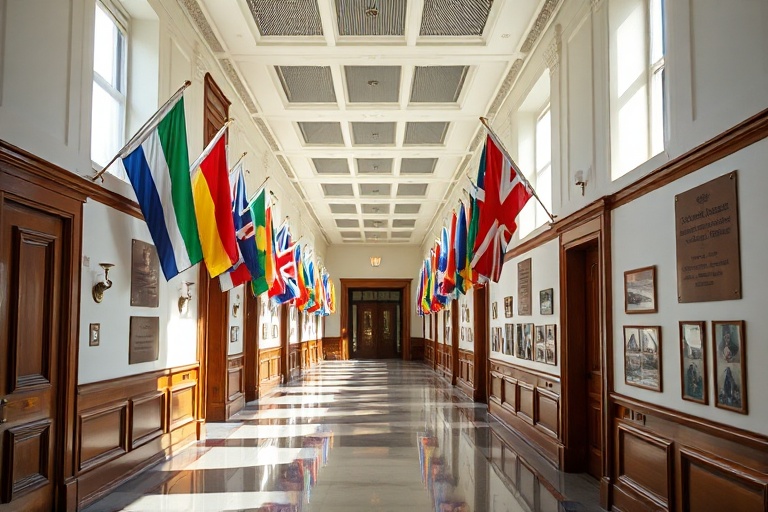
The FCDO employs around 17,000 staff, including diplomats, development experts, and support personnel. Its headquarters in London coordinates with over 270 overseas posts, from embassies to high commissions and consulates. This network allows the UK to maintain influence on the global stage while responding rapidly to emerging crises.
Key Priorities and Global Engagement
The FCDO’s agenda is shaped by both domestic priorities and international obligations. Among its top priorities are strengthening security partnerships, promoting trade opportunities, and addressing humanitarian emergencies. The department plays a pivotal role in coordinating the UK’s response to conflicts, such as the war in Ukraine, where it has provided military aid alongside humanitarian support.
Economic diplomacy represents another cornerstone of its work. The FCDO negotiates trade deals, attracts foreign investment, and supports British businesses overseas. Post-Brexit, this function has gained even greater significance as the UK seeks to redefine its global economic footprint.
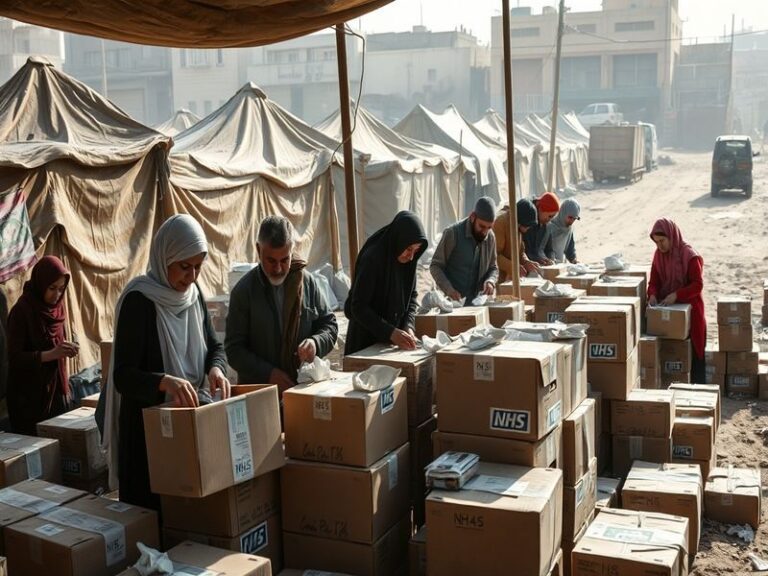
Development assistance remains a defining feature of the FCDO’s work. The UK is one of the largest donors to the United Nations and other multilateral organizations. Its aid programs focus on health, education, and gender equality, often targeting the world’s poorest and most vulnerable populations. However, the integration of development with foreign policy has sparked debate about the potential politicization of aid.
Controversies and Criticisms
The FCDO has faced scrutiny over several issues. One recurring criticism involves the reduction in the UK’s aid budget, which fell below the legally enshrined target of 0.7% of gross national income in 2022. This decision, driven by economic pressures, has drawn condemnation from aid organizations and development advocates.
The merger of DFID and the FCO also raised concerns about the dilution of development expertise within the department. Some analysts argue that prioritizing diplomatic objectives over poverty reduction could undermine the UK’s global standing as a leader in international development.
Additionally, the FCDO’s handling of consular cases has come under fire, particularly in high-profile incidents involving British nationals detained abroad. Delays in response and inconsistent support have led to calls for reform in how the department assists citizens in distress.
The FCDO’s Broader Implications
The FCDO’s work extends far beyond Whitehall corridors. Its policies influence global governance, humanitarian aid flows, and even the daily lives of people in recipient countries. For example, the UK’s support for vaccine distribution during the COVID-19 pandemic helped save countless lives in low-income nations. Similarly, its climate diplomacy efforts position Britain as a key player in international climate negotiations.
Domestically, the FCDO shapes public perceptions of Britain’s role in the world. During crises, its rapid response teams often become the face of the UK’s humanitarian commitment. Yet, the department also grapples with the challenge of balancing national interests with ethical obligations—a tension that defines much of modern diplomacy.
The FCDO’s influence is also evident in its partnerships with non-state actors. Collaboration with NGOs, private sector entities, and academic institutions enhances the effectiveness of its programs. These alliances are crucial in tackling complex issues like cybersecurity threats and antimicrobial resistance, where no single government can act alone.
Looking Ahead: Challenges and Opportunities
The FCDO operates in an era of unprecedented global challenges. Rising geopolitical tensions, climate disasters, and economic instability demand agile and forward-thinking responses. The department’s ability to adapt will determine its relevance in the decades ahead.
One opportunity lies in leveraging technology to enhance diplomacy and development. Digital tools can improve aid delivery, strengthen crisis response, and foster people-to-people connections. The FCDO’s recent initiatives in digital diplomacy and cybersecurity reflect this shift.
Another critical area is rebuilding trust in international institutions. The FCDO can play a leading role in reforming global governance structures to better reflect today’s multipolar world. By championing transparency and accountability, it can help restore confidence in multilateral cooperation.
Ultimately, the FCDO’s success hinges on its ability to reconcile competing priorities. Diplomacy and development are not mutually exclusive; they are complementary forces that can drive sustainable progress. As Britain charts its post-Brexit course, the FCDO will remain at the heart of its global engagement.
For those interested in exploring related topics, the Politics and Global Affairs sections on Dave’s Locker offer further insights into international policy and diplomacy.
Conclusion
The Foreign, Commonwealth and Development Office is more than just a government department—it is a bridge between Britain and the wider world. Its work spans crisis response, economic diplomacy, and poverty alleviation, reflecting the interconnected nature of modern governance. While it faces significant challenges, the FCDO also holds immense potential to shape a more stable, prosperous, and equitable international order. Understanding its operations is not just an academic exercise; it is essential for anyone invested in the future of global affairs.