Bad Bunny and Zara: A Global Fashion Collision
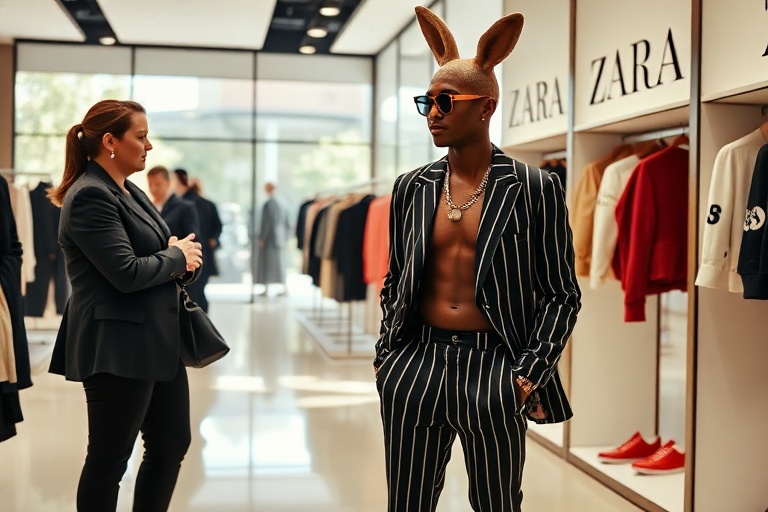
When Puerto Rican superstar Bad Bunny stepped into a Zara store in San Juan last summer, the moment wasn’t just another celebrity shopping trip. It was a cultural inflection point where music, fashion, and retail intersected in a way few could predict. The artist, whose influence extends far beyond reggaeton and Latin trap, has become an unlikely but powerful force in global fashion. Zara, the Spanish fast-fashion giant, has in turn become a canvas for Bad Bunny’s aesthetic—a blend of streetwear, vintage Americana, and unapologetic self-expression.
The collaboration between an artist known for defying norms and a brand built on rapid trend replication reveals more than just market appeal. It highlights the shifting power dynamics in fashion, where authenticity and accessibility now compete for dominance. Bad Bunny’s relationship with Zara isn’t just about clothing; it’s about identity, representation, and the democratization of style.
The Evolution of Bad Bunny as a Fashion Icon
Bad Bunny’s rise from underground rapper to global icon was never confined to music. From his earliest days, the artist challenged traditional masculinity through bold fashion choices—crop tops, painted nails, and gender-fluid silhouettes. These weren’t mere aesthetic statements; they were political acts in an industry that often polices queer and Latinx bodies.
His fashion evolution mirrors broader cultural shifts. In Latin America, where machismo still dominates public life, Bad Bunny’s embrace of non-conformist style resonates deeply. In Europe and the U.S., his looks are celebrated as avant-garde, blurring the lines between streetwear and high fashion. Designers like Alessandro Michele at Gucci and Virgil Abloh at Louis Vuitton took note early, but it was Zara that brought his vision to the masses.
The brand’s ability to translate his eclectic style—think oversized denim, retro sportswear, and vibrant colors—into affordable pieces has made fashion accessible to fans who might otherwise be priced out of designer labels. This accessibility aligns perfectly with Bad Bunny’s ethos: music and fashion should belong to everyone, not just the elite.
Zara’s Strategic Shift Toward Cultural Relevance
Zara’s partnership with Bad Bunny isn’t an isolated incident. Over the past five years, the brand has aggressively courted Gen Z and millennial consumers by aligning with artists, athletes, and influencers who embody authenticity. Where once Zara relied on copycat designs and safe trends, it now embraces risk—even controversy—to stay relevant.
This pivot reflects a broader industry trend. Fast fashion, once criticized for exploiting labor and contributing to environmental waste, now seeks redemption through cultural cachet. Collaborations with figures like Bad Bunny serve a dual purpose: they generate buzz and justify higher price points under the guise of “limited-edition drops.”
The Zara x Bad Bunny capsule collection, released in early 2023, sold out within hours in major markets. The pieces—a mix of neon track pants, graphic tees, and retro windbreakers—were priced between $29 and $89, positioning them as accessible luxury. The collection didn’t just sell clothes; it sold a lifestyle, one that Bad Bunny has cultivated across his albums and tours.
The Cultural Impact Beyond the Clothing
Bad Bunny’s influence on Zara extends beyond sales figures. The partnership has sparked conversations about Latinx representation in fashion, a space historically dominated by European aesthetics. For decades, Latin American culture was either exoticized or ignored in mainstream fashion. Bad Bunny’s collaboration with Zara changes that narrative, placing Puerto Rican and Caribbean influences at the forefront.
In regions like Miami, Mexico City, and Madrid, fans have adopted Zara’s Bad Bunny pieces as everyday wear, further cementing their cultural significance. The brand’s stores in these cities now feature displays that blend Zara’s minimalist aesthetic with Bad Bunny’s maximalist energy—think bold graphics, neon accents, and urban streetwear vibes.
This cultural crossover also highlights the power of music in shaping fashion trends. Reggaeton, once a niche genre, is now a global phenomenon. Artists like Bad Bunny, Karol G, and Rauw Alejandro have turned the music into a fashion movement, with fans eager to emulate their idols’ style. Zara’s quick turnaround from runway to retail floor allows it to capitalize on these trends faster than luxury brands, giving it a competitive edge.
Challenges and Criticisms in the Collaboration
Despite its success, the Zara x Bad Bunny partnership hasn’t been without criticism. Fast fashion’s environmental and ethical track record remains a contentious issue. Activists argue that even well-intentioned collaborations like this one perpetuate overconsumption. A single Zara garment might be affordable, but its lifecycle—from production to disposal—often carries hidden costs.
Bad Bunny himself has addressed sustainability, albeit indirectly. In interviews, he’s spoken about the importance of thrifting and upcycling, practices that contrast sharply with fast fashion’s disposable ethos. This duality—celebrating his Zara collaboration while advocating for sustainable fashion—has left some fans conflicted.
Another challenge is the risk of cultural appropriation. While Bad Bunny’s style is rooted in his Puerto Rican identity, fast fashion brands have a history of commodifying minority cultures without credit or compensation. Zara’s global reach means its Bad Bunny collection could easily strip the aesthetic of its original context, reducing it to mere trendiness.
What’s Next for Bad Bunny and Zara?
The future of this collaboration is as unpredictable as Bad Bunny’s career. If history is any indication, the artist will continue pushing boundaries, both musically and sartially. Zara, for its part, will likely double down on artist partnerships, betting on the idea that culture sells.
Speculation is already swirling about a potential second collection, possibly featuring pieces inspired by Bad Bunny’s latest album or tour wardrobe. There’s also talk of Zara expanding its Latin American footprint, with Bad Bunny as the face of a new marketing campaign targeting Hispanic consumers in the U.S.
What’s clear is that this partnership has redefined what it means for a brand and an artist to collaborate in the 21st century. It’s no longer just about selling products; it’s about selling a vision. And Bad Bunny’s vision—a world where fashion is free, expressive, and unapologetically diverse—is one that resonates deeply in today’s cultural landscape.
The Bigger Picture: Fashion’s New Playbook
Bad Bunny and Zara’s success story offers a blueprint for how brands can stay relevant in an era of rapid change. It’s a playbook that prioritizes authenticity, cultural relevance, and accessibility. But it’s also one that demands responsibility—responsibility to the artists, to the communities they represent, and to the planet.
As consumers, we’re faced with a choice. Do we support collaborations that democratize fashion but perpetuate waste? Or do we demand better—from brands, from artists, and from ourselves? The Zara x Bad Bunny partnership proves that fashion is more than fabric and thread. It’s a mirror held up to society, reflecting our values, our contradictions, and our aspirations.
In the end, the story of Bad Bunny and Zara isn’t just about clothing. It’s about the power of culture to shape industries, the responsibility of brands to do better, and the unrelenting energy of an artist who refuses to be boxed in. And that’s a trend worth watching.
Where to Find More on Dave’s Locker
For readers interested in exploring fashion’s intersection with music and culture, Dave’s Locker offers a range of articles and insights. Dive deeper into the world of fashion trends or explore the latest in music culture to see how these industries continue to evolve.