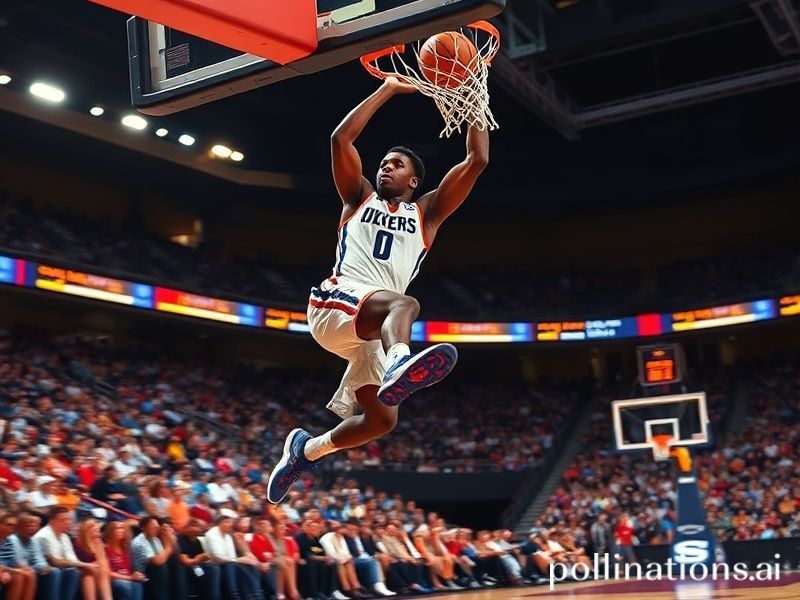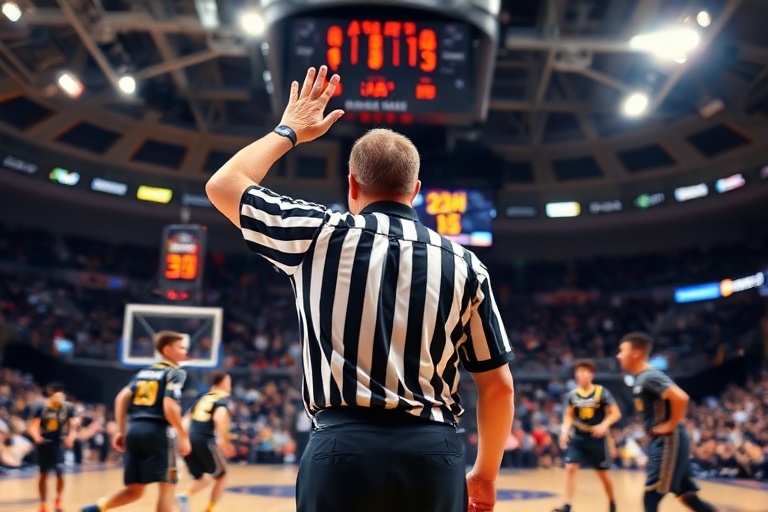
Basketball is a sport defined by speed, strategy, and precision. Yet even the most fluid plays can be disrupted by penalties—those moments when referees intervene to enforce the rules. These calls often spark debate, influence outcomes, and reveal deeper truths about the game’s evolving nature. Understanding basketball penalties isn’t just about knowing the rules; it’s about recognizing how they shape player behavior, team tactics, and the very culture of the sport.
The Anatomy of a Basketball Penalty
Penalties in basketball stem from violations of the game’s fundamental principles. Personal fouls, technical fouls, flagrant fouls, and violations like traveling or double-dribbling each serve distinct purposes. Personal fouls, for instance, punish illegal physical contact, while technical fouls address unsportsmanlike conduct or disruptions. Flagrant fouls escalate penalties further, often involving excessive or dangerous contact. These rules exist not to stifle the game but to maintain fairness and safety.
Penalties also carry strategic weight. Coaches may draw up plays knowing that fouling a poor free-throw shooter can yield possession. Players might adjust their aggression based on the referee crew’s tendencies. Even the threat of a penalty influences behavior on the court. For example, a player driving to the basket might hesitate if they sense a defender’s positioning could lead to a charge call. This delicate balance between enforcement and adaptation keeps basketball dynamic.
Key Categories of Basketball Penalties
- Personal Fouls: Illegal physical contact between opponents, including pushing, holding, or blocking. These fouls accumulate and can lead to player disqualification.
- Technical Fouls: Issued for unsportsmanlike conduct, such as taunting, arguing with referees, or excessive complaining. They result in free throws for the opposing team and possession.
- Flagrant Fouls: Severe fouls involving excessive or dangerous contact. These fouls can eject players and lead to free throws and possession for the offended team.
- Violations: Non-contact infractions like traveling, double-dribbling, or three-second violations. These result in a turnover.
How Penalties Influence Game Strategy
The presence of penalties forces teams to adapt their strategies in real time. Coaches must decide whether to play aggressively, risking fouls, or adopt a more conservative approach to avoid penalties. This tactical calculus is especially evident in the final minutes of close games. A team leading by a small margin might intentionally foul to stop the clock, knowing the opposing team’s poor free-throw shooting could secure the win.
Players, too, must navigate the psychological toll of penalties. A referee’s whistle can shift momentum, demoralizing a team that feels hard done by a call. Conversely, a questionable non-call can energize a squad, fueling their drive to outplay the opposition. The NBA’s introduction of replay reviews for flagrant fouls and out-of-bounds plays has added another layer of complexity, testing both players’ and referees’ ability to adapt.
Consider the 2023 NBA playoffs, where a series of controversial foul calls in the final minute of Game 7 between the Boston Celtics and Miami Heat sparked widespread debate. The calls, deemed excessive by some analysts, highlighted how penalties can overshadow the game’s skill and strategy. Such moments underscore the need for referees to strike a balance between enforcing the rules and allowing the game to flow naturally.
The Broader Impact of Penalties on Basketball
Penalties extend beyond individual games, shaping the sport’s culture and evolution. The NBA’s crackdown on “hand-checking” in the 2000s, for example, forced defenders to adapt, leading to the rise of perimeter-oriented offenses and three-point specialists. Similarly, the league’s emphasis on limiting physicality has made the game faster and more fluid, appealing to a global audience that values athleticism and skill over brute force.
Penalties also influence player development. Young athletes learn early that aggression must be tempered with discipline. A player who repeatedly draws fouls may struggle to earn playing time, while one who avoids unnecessary contact can thrive in high-pressure situations. This emphasis on discipline extends to the sidelines, where coaches are fined for excessive arguing with referees—a penalty designed to maintain decorum.
The financial implications of penalties are impossible to ignore. In the NBA, fines and suspensions for flagrant fouls can cost players millions in lost wages. Teams, too, face penalties for exceeding the salary cap, which can limit their ability to sign star players. These stakes make penalties a high-stakes element of the business of basketball, where the rules are as much about economics as they are about the game itself.
Looking Ahead: The Future of Basketball Penalties
As basketball continues to evolve, so too will the rules governing penalties. The NBA’s recent experiments with player accountability, such as the “targeting” rule for flagrant fouls, aim to reduce dangerous play and protect players. Meanwhile, discussions about expanding replay reviews to include more subjective calls, like blocking versus charging, reflect a desire for greater fairness. These changes will inevitably shape the next generation of basketball players and fans.
Technology will play an increasingly prominent role in penalty enforcement. Automated tracking systems, such as those used to detect traveling violations, could reduce human error and ensure consistency. Referees may eventually rely on AI-assisted tools to make split-second decisions, though this raises questions about the human element of the game. Will technology enhance fairness, or will it strip away the artistry of officiating?
One thing is certain: penalties will remain a cornerstone of basketball’s identity. They are the guardrails that keep the game competitive, safe, and engaging. Whether it’s a controversial call in the playoffs or a routine traveling violation in a youth league, penalties remind us that basketball is as much about adherence to rules as it is about skill and creativity. The challenge for players, coaches, and referees alike is to uphold these rules while preserving the magic that makes basketball so beloved.
The next time you watch a game, pay attention to the penalties. They’re not just interruptions; they’re the moments that reveal the soul of the sport.
For more on basketball strategies and trends, visit our Sports and Analysis sections.