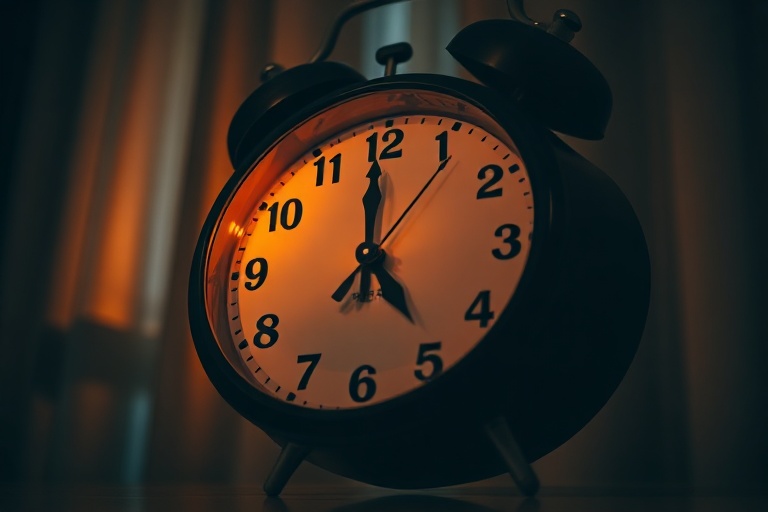
The twice-yearly ritual of adjusting our clocks—springing forward in March and falling back in November—remains one of the most debated modern timekeeping practices. While some defend it as a way to save energy and enjoy longer evenings, others argue it disrupts sleep patterns and serves little purpose today. The history of daylight saving time (DST) stretches back over a century, revealing a patchwork of cultural, economic, and political motivations that vary wildly around the world.
From its origins in wartime energy conservation to today’s fragmented global adoption, DST reflects how societies balance natural rhythms with human convenience. Yet even as technology makes timekeeping more precise, the tradition persists in many regions, sparking persistent debates about its necessity. To understand why, we must examine its past, its present contradictions, and the countries that have abandoned it altogether.
The Origins: Energy, War, and the Birth of a Controversial Idea
The concept of shifting clocks to extend evening daylight was first proposed by Benjamin Franklin in 1784, though not for energy reasons. The American polymath jokingly suggested Parisians wake up earlier to save candle wax. It wasn’t until the late 19th century that serious proposals emerged, but the idea gained real traction during World War I.
Germany became the first country to implement DST in 1916, following a blockade that reduced coal supplies. By aligning human activity with daylight hours, officials hoped to reduce artificial lighting and conserve fuel. Britain and its allies quickly followed, and the practice spread to the United States in 1918. At the time, energy savings were the primary justification—a wartime necessity that later became a habit.
By the 1920s and 1930s, many countries had abandoned DST, finding the benefits marginal and the disruptions confusing. It returned during World War II as “War Time” in the U.S. and Britain, but afterward, nations charted their own paths. The U.S. standardized DST in 1966 with the Uniform Time Act, yet even today, states like Arizona (except for the Navajo Nation) and Hawaii opt out entirely.
A Patchwork of Policies: Who Still Uses DST and Why?
Today, about 40% of countries observe daylight saving time, but the practice is far from universal. The European Union mandates it for its member states, though debates rage in Brussels about scrapping the biannual switch. Meanwhile, China abandoned DST in 1991 after finding no energy benefit, and India never adopted it at all.
In the U.S., DST now spans eight months—beginning in March and ending in November—after the Energy Policy Act of 2005 extended the period. Critics argue the change does little to save energy in an era of air conditioning and digital lighting. A 2008 U.S. Department of Energy study found only a 0.5% reduction in electricity use nationwide.
Yet the tradition persists. Why? For some, the cultural attachment to longer summer evenings outweighs practical concerns. Golf courses, theme parks, and retailers have lobbied to keep DST, citing increased revenue from extended daylight. In 2022, Florida Senator Marco Rubio introduced the “Sunshine Protection Act,” aiming to make DST permanent—a move that would eliminate the twice-yearly clock change but lock in darker winter mornings.
The Human Cost: Sleep, Health, and the Psychological Toll
The most immediate consequence of DST is its effect on sleep. Studies show a 5% to 10% increase in heart attacks the Monday after clocks spring forward, while fatal car crashes rise in the days following the change. The American Academy of Sleep Medicine has repeatedly called for abolishing DST, citing links to increased strokes, workplace injuries, and mood disorders.
Children and shift workers face particular challenges. School schedules rarely adjust for the time change, leaving students groggier on Monday mornings. Night-shift nurses and factory workers report higher rates of fatigue-related errors during the transition. Even pet owners notice behavioral changes in animals unaccustomed to altered meal or walk times.
Critics also highlight the paradox of DST in equatorial regions, where daylight hours vary little throughout the year. Countries near the equator, such as Indonesia and Uganda, have no need for seasonal clock changes. Yet even in temperate zones, the benefits grow murkier as modern life becomes less dependent on natural light.
Countries That Dumped DST—and Why
Several nations have abandoned daylight saving time after finding it more trouble than it’s worth. Turkey scrapped it in 2016 following public outcry over disruptions, though it later reversed course. Russia eliminated DST in 2014, citing health risks and public confusion, though it now operates on permanent standard time.
In 2018, the European Commission proposed ending DST across the EU after a public survey found 84% of respondents favored abolition. Yet member states remain divided over whether to adopt permanent summer or winter time. The debate has stalled, leaving millions in limbo.
Meanwhile, China’s decision in 1991 to abandon DST reflects a broader trend in Asia, where most countries never adopted the practice. Japan, South Korea, and Thailand all operate on a single, year-round time standard. The uniformity simplifies regional coordination, from train schedules to business meetings.
The Future: Will Daylight Saving Time Fade Into History?
The future of DST may hinge on technology and public will. Smart lighting and energy-efficient appliances have reduced the original rationale for clock changes. Meanwhile, smartphones and digital calendars automatically adjust, blunting one of the most cited inconveniences.
Yet nostalgia and economic interests keep the tradition alive in many places. The golf industry alone, worth $84 billion annually in the U.S., has fought to preserve longer summer evenings. Theme parks like Disney World have lobbied aggressively for DST, arguing it boosts tourism revenue.
As debates heat up, some regions are opting for compromise. California voters approved a 2018 ballot measure to make DST permanent, though federal approval is still pending. If passed, it would mean no more clock changes—but also darker winter mornings for schoolchildren and commuters.
For now, the world remains divided. Some see DST as a quaint relic; others, as a vital tool for balancing work and leisure. What’s clear is that the tradition’s survival says as much about culture and habit as it does about energy or economics.
One thing is certain: until a global consensus emerges, millions will continue to lose an hour of sleep twice a year, all in the name of daylight.
“The only thing we know about daylight saving time is that people will complain about it—whether it’s the loss of sleep or the disruption of routines. Yet we keep doing it anyway.” — Dr. Till Roenneberg, Chronobiologist
For those curious about how DST intersects with other modern practices, explore our Sports section to see how daylight hours affect athlete performance, or dive into our Technology coverage to learn how smart devices are changing how we perceive time.