Nestled in the heart of Canada’s prairies, Manitoba often stands in the shadow of its more glamorous provincial neighbors. Yet this land of vast lakes, rugged boreal forests, and vibrant cultural communities offers experiences that rival—and sometimes surpass—those found elsewhere in the country. From the cosmopolitan energy of Winnipeg to the untouched wilderness of the north, Manitoba presents a diverse tapestry of natural beauty and human resilience.
Geography and Natural Landscapes
Manitoba’s geography tells a story of dramatic contrasts. The province stretches from the temperate grasslands of the south to the subarctic tundra of the north, creating one of Canada’s most ecologically diverse regions. The southern third of the province features fertile farmland that transitions into the Canadian Shield’s rocky terrain, while the northern reaches contain some of the world’s largest freshwater reserves.
The province’s waterways define much of its character. Lake Winnipeg, one of the world’s tenth largest freshwater lakes, covers nearly 24,500 square kilometers and supports diverse aquatic life. To its east, Lake Manitoba stretches 200 kilometers at its longest point, offering both recreational opportunities and ecological significance. These bodies of water aren’t just scenic attractions—they’re vital to Manitoba’s climate regulation and biodiversity.
Northern Manitoba presents a different face entirely. The region’s taiga and tundra ecosystems support populations of caribou, polar bears, and migratory birds. The Churchill River system, with its dramatic rapids and ancient Precambrian rock formations, offers some of the most spectacular whitewater rafting in North America. These northern landscapes aren’t just remote—they’re some of the last truly wild places remaining on the continent.
Cultural Richness and Urban Centers
Manitoba’s cultural landscape reflects its complex history and diverse population. Winnipeg, the provincial capital, serves as the cultural heartbeat of the region. The city’s Exchange District, with its turn-of-the-century warehouses, now houses galleries, boutique shops, and some of Canada’s most innovative dining establishments. The Canadian Museum for Human Rights, an architectural marvel designed by Antoine Predock, stands as a testament to Manitoba’s commitment to social justice and historical reflection.
The province’s Indigenous communities contribute significantly to Manitoba’s cultural fabric. First Nations and Métis peoples represent nearly 18% of the population, with communities like the Anishinaabe, Cree, Dakota, Dene, and Oji-Cree maintaining vibrant traditions. Events like the annual Manito Ahbee Festival in Winnipeg celebrate Indigenous arts, music, and dance, drawing thousands of visitors each year. These cultural expressions aren’t just performances—they’re living connections to the land and its original stewards.
Manitoba’s smaller communities offer their own unique character. The francophone village of St. Pierre-Jolys maintains its Acadian heritage through annual festivals and traditional music. In the Interlake region, Icelandic settlements like Gimli preserve Scandinavian traditions with annual festivals that include authentic Viking reenactments and lutefisk tastings. These cultural pockets demonstrate how Manitoba’s history isn’t monolithic but rather a rich mosaic of influences.
Economic Drivers and Innovation
Manitoba’s economy has evolved significantly from its agricultural foundations. While farming remains important—particularly in the Red River Valley, known as one of Canada’s breadbaskets—the province has developed strong secondary industries. Manufacturing plays a crucial role, with aerospace and transportation equipment production contributing significantly to the economy. Companies like StandardAero and Magellan Aerospace maintain major operations in Winnipeg.
The energy sector represents another key component. Manitoba Hydro operates one of North America’s largest clean hydroelectric systems, with generating stations like the Kettle Generating Station on the Nelson River. These facilities not only power the province but also export clean energy to neighboring jurisdictions. The development of wind farms in the southern prairies has further expanded Manitoba’s renewable energy portfolio.
Technology and creative industries are emerging as new economic drivers. Winnipeg has developed a growing video game industry, with companies like BioWare Winnipeg and Ubisoft Montreal’s satellite office contributing to what’s become known as “Canada’s Hollywood North.” The province’s film industry benefits from diverse shooting locations and competitive production incentives. These sectors represent Manitoba’s transition into a more diversified, knowledge-based economy.
Tourism Opportunities
For visitors, Manitoba offers experiences that range from the ultra-urban to the completely wild. The travel section on Dave’s Locker highlights some of the province’s most compelling destinations. In Winnipeg, the Forks National Historic Site combines Indigenous heritage with modern urban development along the Red and Assiniboine Rivers. The Assiniboine Park Conservancy features Canada’s largest urban park, with the Leo Mol Sculpture Garden and Journey to Churchill exhibit.
Nature tourism presents some of Manitoba’s most unique offerings. Churchill, accessible by air or train, provides unparalleled opportunities for polar bear viewing and beluga whale encounters. The Seal River Heritage Lodge offers all-inclusive wilderness experiences where visitors can observe Arctic wildlife in their natural habitat. These remote tourism operations aren’t just vacations—they’re pilgrimages to some of the planet’s most pristine environments.
For those interested in geological wonders, the Canadian Fossil Discovery Centre in Morden houses one of the richest marine reptile fossil beds in the world. The Spirit Sands in Spruce Woods Provincial Park feature rare sand dunes within a boreal forest setting. These natural attractions demonstrate how Manitoba’s landscapes contain stories millions of years in the making.
Challenges and Future Prospects
Despite its many strengths, Manitoba faces significant challenges. Climate change poses particular threats to both northern communities and agricultural regions. The province has experienced increased flooding in recent years, with the 2011 and 2020 floods causing billions in damages. These events have prompted investments in flood mitigation infrastructure and climate adaptation strategies.
Indigenous reconciliation remains an ongoing process. While progress has been made through agreements like the 2016 Manitoba Indigenous Reconciliation and Northern Development Implementation Act, challenges persist in areas like clean water access and economic development opportunities. The province continues to work toward implementing the 94 Calls to Action from the Truth and Reconciliation Commission.
Economic diversification presents both opportunities and challenges. While new industries like technology and film production show promise, the province must continue investing in education and workforce development to ensure these sectors can sustain long-term growth. The recent expansion of the University of Manitoba’s Smartpark research and technology park represents one such investment in the future.
Infrastructure development remains crucial, particularly in northern communities where transportation costs remain prohibitive. The ongoing expansion of the Port of Churchill, which provides Arctic shipping access, could position Manitoba as a key player in northern trade routes. These developments aren’t just economic considerations—they’re about connecting communities and ensuring equitable access to opportunities.
Looking Ahead
Manitoba’s future will be shaped by how it balances development with preservation, tradition with innovation. The province’s commitment to clean energy provides a model for sustainable development, while its cultural richness offers lessons in diversity and inclusion. As climate patterns shift and global economies evolve, Manitoba’s vast landscapes and resilient communities may prove better positioned than many realize.
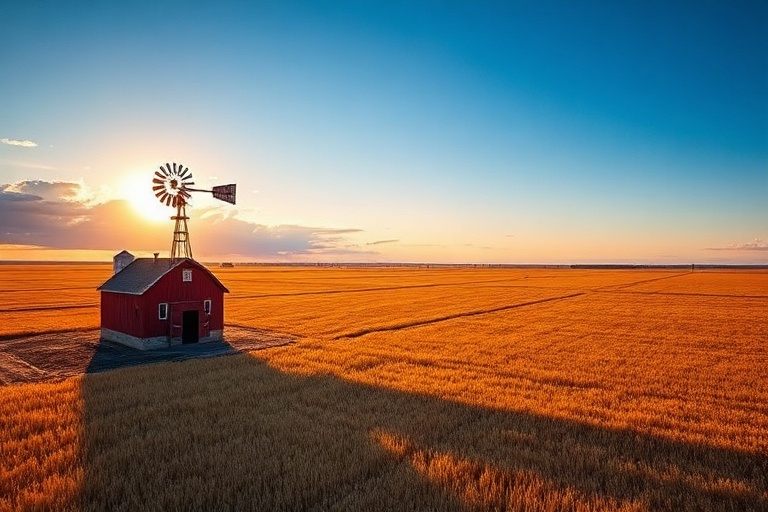
The province’s story isn’t one of dramatic headlines or overnight transformations. Instead, it’s a narrative of steady progress, quiet determination, and an unshakable connection to the land. In a country often defined by its coasts and mountains, Manitoba offers a different vision—one of endless horizons, where the sky meets the earth in ways that feel both ancient and eternal.
For those willing to look beyond the familiar, Manitoba reveals itself as a place of surprising depth and unexpected beauty. It’s a reminder that sometimes the most remarkable destinations aren’t those that shout for attention, but those that welcome you quietly and then refuse to let go.