From schoolyard traditions to music festival juggernauts, field days have carved out a unique space in public culture. These events blend competition, community, and creativity in ways that feel both timeless and increasingly innovative. As they adapt to modern expectations, field days reveal broader trends about how society gathers, plays, and connects.
The Tradition and Transformation of Field Days
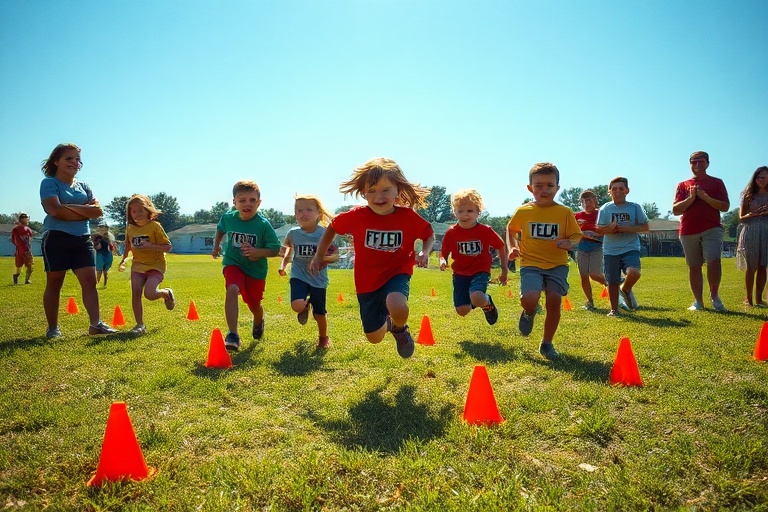
Field days trace their origins to 19th-century rural communities, where they served as agricultural showcases and social gatherings. These early events featured livestock judging, pie contests, and foot races—activities designed to highlight local talent and foster camaraderie. Over time, the concept expanded beyond farming circles. Schools adopted field days as educational tools, using them to teach teamwork and physical fitness through relay races and tug-of-war.
The transformation accelerated in the 20th century as commercial interests recognized the appeal of large-scale outdoor festivals. Events like Lollapalooza and Coachella repurposed the field day ethos, replacing sack races with music stages and pie-eating contests with art installations. Today, field days exist on a spectrum: from corporate team-building exercises to multi-day music festivals that draw tens of thousands. This evolution reflects a broader cultural shift toward experiential gatherings that prioritize participation and spectacle.
The hybrid nature of modern field days—part competition, part celebration—mirrors society’s changing relationship with leisure. In an age of digital saturation, these events offer tangible, shared experiences that can’t be replicated online. They provide a rare space where strangers become temporary communities, united by a common purpose or interest.
Key Elements That Define a Successful Field Day
While field days vary widely in scale and purpose, several core components consistently contribute to their success. These elements balance structure with spontaneity, ensuring participants feel both challenged and inspired.
- Clear Structure with Flexible Participation: A well-organized field day balances predetermined activities with open-ended exploration. For example, a music festival might schedule main acts on a stage while leaving room for pop-up performances in less formal areas. This approach caters to both dedicated fans and casual attendees.
- Sensory Engagement: Successful field days immerse participants through multiple senses. Visual art installations, food vendors offering regional specialties, and live music create a dynamic atmosphere. Even corporate field days now incorporate elements like scent branding or interactive installations to enhance memorability.
- Community-Driven Activities: Activities that encourage collaboration—such as group scavenger hunts or communal art projects—foster connections among attendees. These interactions often become the most talked-about moments, extending the event’s impact beyond its duration.
- Accessibility and Inclusivity: Modern field days prioritize accessibility, ensuring people of all abilities can participate. This might include adaptive sports equipment at a school field day or sensory-friendly zones at a music festival. Inclusivity isn’t just ethical; it broadens the event’s appeal and strengthens its community ties.
- Narrative or Theme: The most memorable field days weave a cohesive narrative, whether through branding, artistic direction, or thematic activities. A field day centered on sustainability might include workshops on composting or upcycled art installations, reinforcing its purpose through every touchpoint.
These elements aren’t prescriptive but serve as a framework for designing experiences that resonate. The best field days feel organic, as though they emerged from the community’s needs rather than a corporate checklist. This authenticity is increasingly valuable in an era where audiences crave genuine connection over curated content.
The Broader Implications of Field Days
The rise of field days as cultural phenomena reflects deeper societal trends. They highlight a paradox of modern life: despite being more connected digitally than ever, people are seeking tangible, shared experiences. Field days provide a solution by offering temporary utopias where social norms can be reimagined. In these spaces, hierarchies flatten, and strangers become collaborators.
Economically, field days drive significant revenue. Music festivals alone generate billions annually, supporting local businesses and creating jobs. Even small-town field days contribute to tourism and local pride. However, this commercialization raises questions about authenticity. When a corporate retreat borrows the language of a grassroots festival—complete with branded swag and Instagram moments—does it dilute the original spirit of community-driven gatherings?
Environmentally, field days present both challenges and opportunities. Massive gatherings can strain local resources, from water usage to waste management. Yet, many events are now prioritizing sustainability, with initiatives like carbon offsets, reusable cups, and zero-waste policies. The shift reflects a growing consumer demand for responsible entertainment, proving that field days can evolve beyond mere spectacle.
“Field days have become microcosms of how we want to live: connected, creative, and conscious. The challenge is balancing spectacle with substance, ensuring these gatherings leave a positive legacy.”
— Cultural analyst and event designer, Dr. Elena Vasquez
The psychological benefits of field days are equally noteworthy. Research on flow states—moments of deep engagement—suggests that activities requiring physical or creative effort can induce a sense of timelessness and fulfillment. Field days, whether through a dance-off or a pie-baking contest, create these conditions by encouraging participants to lose themselves in the moment. In a world where burnout is rampant, these experiences offer a vital counterbalance.
Looking Ahead: The Future of Field Days
The next frontier for field days lies in technology and personalization. Augmented reality (AR) scavenger hunts, for instance, could blend digital and physical exploration, guiding participants through a festival with interactive clues. Wearable tech might track biometric data to tailor activities in real time, suggesting a rest area for an overstimulated attendee or a high-energy challenge for someone craving stimulation.
Hybrid events, combining virtual and in-person attendance, are also gaining traction. Imagine a field day where remote participants join via live stream but still engage in synchronized challenges, like a global photo contest or a collective playlist. This approach could democratize access, allowing people who can’t attend physically to still be part of the experience.
Yet, as field days become more technologically advanced, the risk of losing their soul grows. The magic of these events often lies in their imperfections—the muddy shoes after a tug-of-war, the shared laughter over a spilled drink, the spontaneous jam session that wasn’t on the schedule. The challenge for organizers will be leveraging innovation without erasing the organic, unpredictable joy that defines a great field day.
For those designing or attending field days, the takeaway is clear: prioritize people over pixels. Whether it’s a backyard fete or a weekend festival, the most memorable field days are those that make participants feel seen, challenged, and part of something larger than themselves. In an age of curated algorithms and algorithmic friendships, that’s no small feat.
Field days remind us that progress doesn’t have to mean leaving play behind. They prove that the most meaningful connections often happen outside the screen, in spaces designed for joy, competition, and shared discovery. As these events continue to evolve, their enduring appeal offers a blueprint for how we might gather—more thoughtfully, more inclusively, and with more fun—well into the future.
For more on the intersection of community and celebration, explore Entertainment and Culture at Dave’s Locker.