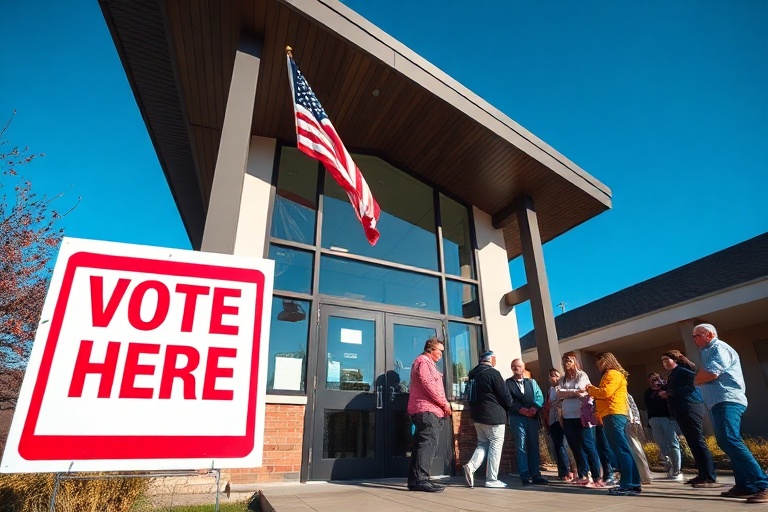
How to Find Polling Stations Near You for Voting
“`html
How to Locate Polling Stations Near You Before Election Day
Voting is the cornerstone of democracy, yet many voters struggle to find their designated polling locations before Election Day. Whether you’re a first-time voter or have recently moved, knowing where to cast your ballot ensures your voice is counted. The process of locating polling stations has evolved with technology, but traditional methods still play a crucial role.
In this guide, we’ll explore multiple ways to find polling stations near you, from official government websites to mobile apps and in-person inquiries. Understanding these options can save time and reduce stress on voting day.
Why Knowing Your Polling Station Matters
Your assigned polling station is not always the most convenient location. Many voters assume their nearest community center or school serves as a polling place, only to discover it’s been relocated due to redistricting or facility changes. In some cases, polling stations may shift between elections to balance voter loads or accommodate new districts.
Arriving at the wrong location can lead to long waits, confusion, or even disqualification if you miss the deadline. More importantly, polling stations are equipped with specific ballots tailored to your precinct—voting at the wrong place may result in a provisional ballot, which isn’t always counted immediately.
Common Reasons Polling Locations Change
- Redistricting: After the U.S. Census, voting districts are redrawn, which can relocate polling stations to new buildings.
- Facility Unavailability: Schools, churches, or community centers may close or decline to host polling places.
- Accessibility Updates: New ADA compliance requirements may prompt moves to more accessible buildings.
- Security Concerns: Some locations may no longer meet safety standards for holding elections.
To avoid surprises, it’s wise to verify your polling location well in advance. Most states allow you to confirm your assigned site up to 30 days before an election.
Official Online Tools to Find Polling Stations
Every state in the U.S. provides an official online portal for voters to check their polling locations. These tools are typically managed by the Secretary of State’s office or local election boards. They require basic information like your full name, date of birth, and residential address to generate results.
For example, the Elections & Voting Information page on Dave’s Locker offers a curated list of state-by-state resources. Rather than searching through individual state websites, you can find direct links to official lookup tools in one place.
Some states also integrate polling station data with voter registration systems. If you registered online or via mail, your confirmation email often includes your assigned polling place. Always save this information—it’s one of the most reliable sources.
What to Do If Your Polling Location Isn’t Listed
Occasionally, online tools may not display your polling station due to outdated records or system errors. If this happens:
- Contact your local election office directly—phone numbers are usually listed on the Secretary of State’s website.
- Visit your county clerk’s office in person with a valid ID and proof of residence.
- Check your voter registration card, if you still have it, as it often includes polling details.
- Use a nonpartisan hotline like 866-OUR-VOTE (866-687-8683) for assistance.
Mobile Apps and Digital Solutions for Real-Time Polling Info
Technology has made it easier than ever to find polling stations on the go. Several apps and websites aggregate voting information and provide real-time updates. These tools are especially useful for voters who need last-minute assistance or are traveling on Election Day.
Apps like Vote.org and TurboVote offer polling location finders alongside voter registration tools. After entering your address, they display your polling site, hours of operation, and even wait times based on user reports. Some apps also send reminders with your polling location a week before the election.
Social media platforms like Twitter and Facebook have also become hubs for election information. Many local election officials post updates about polling place changes or closures. Following your county’s official social media accounts can provide timely alerts.
How to Use Google to Find Your Polling Station
Google has streamlined the process with a dedicated voting information tool. Simply search “polling stations near me” or “where do I vote” on Google. The search engine uses your IP address to approximate your location and displays your assigned polling place at the top of the results.
This feature also includes additional details such as:
- Polling hours for your state
- Requirements for voter ID
- Directions to the polling site
- Ballot drop box locations, where applicable
While convenient, always cross-check Google’s information with an official state source to ensure accuracy.
In-Person and Alternative Methods to Locate Polling Stations
Not everyone has reliable internet access, and some voters prefer human interaction when confirming their polling location. In-person methods remain effective, particularly for those who need assistance with language barriers or accessibility concerns.
County election offices are the primary resources for in-person inquiries. These offices are staffed by election officials who can look up your polling station on the spot. They can also provide paper maps or written directions if needed.
Public libraries often assist voters by offering computers with internet access and staff who can help navigate official websites. Some libraries even host voter education events before elections, where volunteers guide residents through the process of finding their polling places.
What to Bring When Verifying Your Polling Location
To confirm your polling station in person, bring the following documents:
- A valid government-issued photo ID (required in some states)
- A recent utility bill or lease agreement to verify your address
- Your voter registration card, if available
- A list of questions about polling hours or accessibility features
If you’re unsure about your polling location on Election Day, heading to your assigned site early can prevent last-minute stress. Poll workers can assist if you’ve gone to the wrong place, but arriving prepared ensures a smoother experience.
Special Considerations for Early Voting and Mail-In Ballots
Not all voters cast ballots at traditional polling stations on Election Day. Early voting and mail-in ballots offer alternatives, but they come with their own set of rules and locations. Understanding these options can help you choose the method that best fits your schedule.
Early voting allows you to cast your ballot in person at designated locations before Election Day. These sites are often different from your regular polling place, so it’s important to confirm the address in advance. Many states expand early voting access in the weeks leading up to an election, providing more flexibility for voters.
Mail-in ballots eliminate the need for polling stations entirely, but they require careful planning. Deadlines for requesting and returning ballots vary by state, and some voters may need to track their ballot’s progress using official portals. If you opt for mail-in voting, request your ballot as early as possible to avoid delays.
Where to Find Early Voting Locations
Like polling stations, early voting sites are listed on official state election websites. Some states also provide interactive maps to help voters locate the nearest center. For example, California’s Elections & Voting Information page includes a tool to search for early voting locations by county.
Early voting centers typically operate during business hours and on weekends, but hours vary widely. Some locations may close on certain holidays, so it’s best to check the schedule in advance.
Conclusion: Plan Ahead to Vote with Confidence
Locating your polling station doesn’t have to be a last-minute scramble. By using a combination of official online tools, mobile apps, and in-person resources, you can confirm your assigned location with ease. Whether you vote on Election Day, during early voting, or by mail, preparation ensures your ballot is counted accurately.
Elections hinge on participation, and every vote matters. Taking the time to verify your polling station—or exploring alternative voting methods—empowers you to make your voice heard without unnecessary obstacles. Start your search early, and don’t hesitate to reach out to election officials if you encounter any issues.