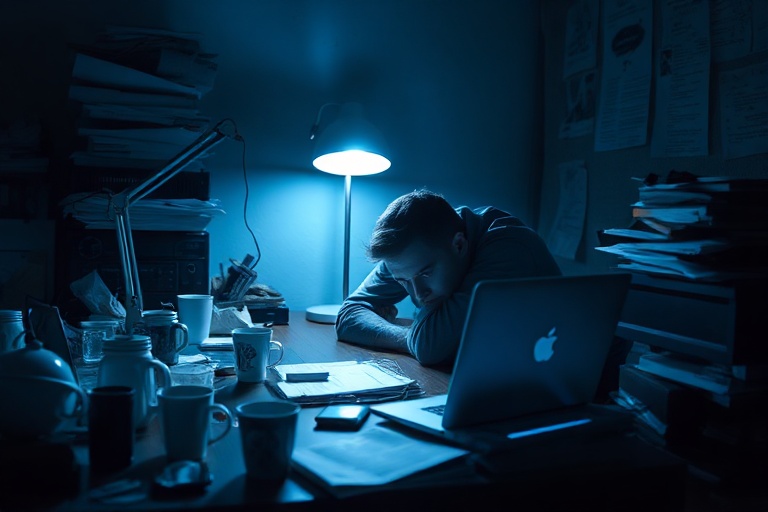
Insomnia: Causes, Global Trends, and Effective Solutions
“`html
Understanding Insomniac: More Than Just Sleepless Nights
Insomnia stretches far beyond the occasional restless night. For millions worldwide, it’s a persistent shadow that follows them into the daylight. This sleep disorder disrupts lives in ways that go unnoticed by those who sleep soundly. The term insomniac describes someone who consistently struggles with falling asleep, staying asleep, or achieving restorative rest. While temporary insomnia may fade with time, chronic cases can last months or even years, leaving individuals exhausted and desperate for solutions.
Sleep is a universal human need, yet its absence affects people differently across cultures. In Japan, the phenomenon of karoshi—death from overwork—has been linked to chronic sleep deprivation. Meanwhile, in Mediterranean cultures, the tradition of the siesta highlights the importance of midday rest. These contrasting approaches show how deeply sleep is woven into societal values. Yet, regardless of location, the consequences of insomnia remain strikingly similar: weakened immunity, cognitive decline, and heightened stress.
The Science Behind Insomnia: Why It Happens
Insomnia isn’t just a matter of poor habits or stress—it’s often rooted in biology. Researchers have identified several key factors that contribute to sleeplessness. Genetics play a role; some people inherit a predisposition to insomnia. Brain chemistry also matters. Neurotransmitters like serotonin and GABA regulate sleep cycles, and imbalances can disrupt rest. Environmental triggers, such as noise or light pollution, further exacerbate the problem in urban areas.
Modern lifestyles have introduced new challenges. The blue light emitted by smartphones and tablets suppresses melatonin, the hormone that signals sleep. Shift work and jet lag disrupt circadian rhythms, making it harder for the body to synchronize with natural sleep-wake cycles. Even diet impacts sleep quality—caffeine, alcohol, and heavy meals can all interfere with deep sleep stages.
Chronic insomnia often coexists with other conditions. Anxiety and depression are closely linked to sleeplessness, creating a vicious cycle where poor sleep worsens mental health, and vice versa. Medical disorders like thyroid problems or chronic pain can also steal rest. Recognizing these connections is crucial for effective treatment.
A Global Perspective: How Different Cultures Cope
Sleep habits vary dramatically around the world, shaped by history, climate, and social norms. In Scandinavia, the concept of hygge emphasizes cozy, dimly lit environments that encourage relaxation. Countries like Finland even incorporate sleep education into school curricula, teaching children the importance of rest. Contrast this with the United States, where caffeine consumption and late-night work culture dominate, leading to widespread sleep deprivation.
In some cultures, insomnia carries stigma. In South Korea, the term ppali ppali (quickly quickly) reflects a fast-paced lifestyle where sleep is often sacrificed for productivity. Yet, public health campaigns are slowly shifting attitudes. South Korea’s government has even designated sleep health as a national priority, funding research and awareness programs.
Traditional remedies also offer insight. In Ayurvedic medicine, insomnia is treated with herbal remedies like ashwagandha and turmeric. Chinese medicine links sleeplessness to imbalances in qi (energy flow), using acupuncture and meditation to restore harmony. These approaches highlight the value of holistic, culturally adapted solutions.
Sleep Trends Around the World
- Japan: High rates of insomnia due to work culture; government promotes sleep loss countermeasures.
- France: Embraces long lunches and evening rituals to prioritize rest.
- Brazil: Urban noise and heat contribute to sleep disturbances, but afternoon naps remain common.
- Iceland: Extreme daylight in summer and darkness in winter challenge sleep patterns, yet the population reports high satisfaction with rest.
Breaking Free from Insomnia: Solutions That Work
For those trapped in the cycle of sleeplessness, relief is possible—but it requires a multifaceted approach. Cognitive Behavioral Therapy for Insomnia (CBT-I) is the gold standard, helping individuals reframe negative thoughts about sleep and establish healthy routines. Unlike sleeping pills, which offer temporary fixes, CBT-I addresses the root causes of insomnia.
Lifestyle adjustments also make a difference. A consistent sleep schedule, even on weekends, trains the body to expect rest at the right time. Limiting screen time before bed and creating a dark, quiet sleep environment further supports deep sleep. Some people benefit from mindfulness practices like yoga or meditation, which calm an overactive mind.
Medical interventions are sometimes necessary. Doctors may prescribe short-term sleep aids or address underlying conditions like sleep apnea. For others, dietary changes—such as reducing sugar or increasing magnesium-rich foods—can improve sleep quality. It’s essential to consult a healthcare provider before trying new treatments, as what works for one person may not suit another.
Unproven but Popular Remedies
While some alternative treatments lack scientific backing, they remain popular among insomniacs:
- Weighted blankets: Claimed to reduce anxiety by providing deep pressure stimulation.
- White noise machines: Mask disruptive sounds for a more serene environment.
- Melatonin supplements: Often used to regulate sleep cycles, though dosage and timing matter.
Ultimately, overcoming insomnia is about experimentation. What works for one person may not for another, and patience is key. Support groups, both online and in-person, can provide encouragement and shared strategies. Remember, seeking help is a sign of strength, not weakness.
Conclusion: Rest Is a Human Right
Insomnia is more than a personal struggle—it’s a global health issue with far-reaching consequences. From workplaces to hospitals, the ripple effects of poor sleep touch every corner of society. Yet, awareness is growing. Governments, researchers, and individuals are beginning to prioritize sleep health, recognizing it as a cornerstone of well-being.
If you’re among the millions who toss and turn night after night, know that you’re not alone. Solutions exist, and small changes can lead to big improvements. Whether through therapy, lifestyle shifts, or medical support, reclaiming rest is possible. The first step is acknowledging the problem—and then taking action.
Sleep isn’t a luxury; it’s a necessity. And in a world that never stops, it’s the quiet rebellion of rest that keeps us human.