Stretching 1,056 meters across the Moray Firth, Kessock Bridge is more than just a crossing point between Inverness and the Black Isle. It is a vital artery for the Scottish Highlands, a feat of engineering that reshaped regional connectivity, and a daily necessity for thousands of commuters, travelers, and freight operators. Since its opening in 1982, the bridge has stood as a symbol of progress, economic growth, and the enduring challenge of bridging natural divides.
But Kessock Bridge is more than a structure of steel and concrete. It is a lifeline for communities separated by geography, a silent witness to decades of Highland life, and a constant reminder of how infrastructure shapes human movement. From its contested origins to its role in modern transport networks, the bridge tells a story of ambition, compromise, and the enduring need to connect.
The Bridge That United (and Divided) Opinion
The idea of a bridge across the Moray Firth at Kessock dates back over a century. As early as 1936, plans were floated to connect Inverness with the Black Isle, but wartime austerity and financial constraints delayed progress for decades. It wasn’t until the late 1970s that the project gained real momentum, driven by growing traffic congestion on the existing ferry service at Kessock Point and the promise of economic development in the Highlands.
The bridge was designed by consulting engineers W.A. Fairhurst and Partners, with construction beginning in 1976. Its single-tower, cable-stayed design was chosen for its aesthetic appeal and efficiency in spanning the wide estuary. The central tower rises 105 meters above the water, supporting the deck with 28 pairs of cables. At the time of completion, it was the longest cable-stayed bridge in the United Kingdom.
Controversy, however, shadowed its inception. Critics argued that the £19 million cost was extravagant for a rural region, while others questioned the environmental impact on the Moray Firth’s delicate ecosystem. Local fishermen expressed concerns about disruption to marine life, and conservationists worried about the visual intrusion on the Highland landscape. Yet, despite these objections, the bridge was completed on schedule and opened by Queen Elizabeth II on August 26, 1982.
A Vital Link in Scotland’s Transport Network
Kessock Bridge transformed travel between Inverness and the Black Isle. Before its construction, the only options were the Kessock Ferry, which operated sporadically and was often canceled in bad weather, or a 60-mile detour via the Cromarty Bridge to the north. The ferry service, which had operated since the 1840s, was unreliable and slow—a bottleneck for commuters, students, and commercial traffic. The bridge slashed travel time from up to an hour (including ferry waits) to just a few minutes.
Today, the bridge carries approximately 25,000 vehicles per day, making it one of the busiest single-span bridges in Scotland. It forms part of the A9 trunk road, the primary route between Inverness and the south of Scotland, and serves as a critical link for freight heading to and from the ports of Inverness and the Cromarty Firth. Without Kessock Bridge, the economic cost to the region would be substantial, stifling trade, tourism, and daily life.
Its strategic importance was underscored during the COVID-19 pandemic. When supply chains came under pressure and just-in-time deliveries became even more crucial, Kessock Bridge ensured that goods continued to flow into the Highlands. It also played a key role in emergency response, allowing rapid access for ambulances, fire trucks, and police vehicles during severe weather events, which are not uncommon in the region.
Connecting Communities, Enabling Growth
The bridge didn’t just improve travel times—it catalyzed economic and social change. The Black Isle, once a relatively isolated peninsula, saw increased investment in housing, retail, and tourism. Businesses on both sides of the bridge reported growth as accessibility improved. Residents who once faced a daily ferry commute could now live on one side and work on the other without logistical stress.
For students attending Inverness College or the University of the Highlands and Islands, the bridge removed a major barrier. Families separated by the firth could visit more easily. Retirees moving to quieter villages on the Black Isle found the journey to Inverness’s healthcare and amenities far less daunting. In essence, Kessock Bridge became a unifier—not just of land, but of lives and livelihoods.
Engineering and Aesthetics: A Design That Endures
From an engineering perspective, Kessock Bridge was ahead of its time. Its cable-stayed design, though common today, was innovative in the late 1970s. The use of a single central pylon reduced the number of supports needed in the water, minimizing environmental disruption. The bridge’s sleek, modern lines were intended to complement the surrounding landscape rather than dominate it—a principle that has allowed it to age gracefully.
Wind resistance was a major consideration. The Moray Firth is known for strong gusts, especially during winter storms. Engineers incorporated aerodynamic features into the deck design to reduce sway and improve stability. Despite this, the bridge has occasionally been closed during high winds—a rare but necessary precaution to ensure safety.
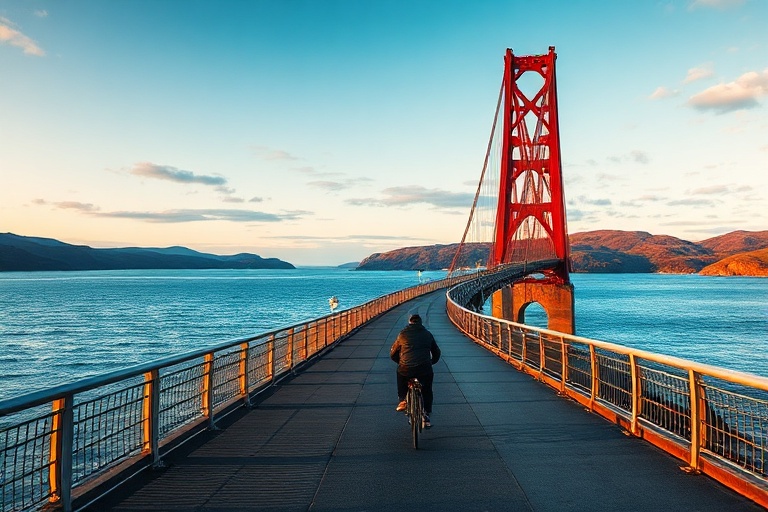
Visually, the bridge is a striking presence. Its white tower stands out against the often-gray skies of the Highlands, and at night, its illumination highlights its structural elegance. Photographers and artists frequently capture its silhouette against the firth, especially during sunsets that paint the water in shades of gold and pink. It has become an unofficial landmark of the region, featured in countless postcards and tourism promotions.
Maintenance, Challenges, and the Future
Like all major infrastructure, Kessock Bridge requires ongoing maintenance. The harsh coastal environment accelerates corrosion, and regular inspections are carried out to monitor the condition of cables, joints, and the tower. In 2010, a major refurbishment project costing £25 million was completed, addressing corrosion, strengthening the deck, and installing new safety barriers. These upgrades extended the bridge’s lifespan by several decades.
Despite its resilience, the bridge faces challenges. Rising traffic volumes—projected to increase by up to 50% by 2035—raise concerns about congestion and safety. There are also calls for better public transport integration, including bus lanes or even future light rail options. Environmental groups continue to monitor the impact of the bridge on local marine ecosystems, particularly in relation to salmon migration and coastal erosion.
Looking ahead, Kessock Bridge will likely remain central to Highland transport for decades to come. Discussions about a second crossing have surfaced periodically, but for now, the existing structure remains the most practical and cost-effective solution. Any future alternatives would need to balance environmental concerns, budget constraints, and the needs of a growing population.
Beyond the Bridge: A Symbol of Connection
Kessock Bridge transcends its functional role. It is a testament to human ingenuity, a bridge not just of steel and concrete, but of opportunity and community. It represents the Highlands’ ability to adapt, to grow, and to connect in a region where geography often imposes isolation. For many, it is simply part of daily life—a familiar sight on the morning commute or the evening return home.
It also stands as a reminder of the power of infrastructure to shape society. Bridges do more than connect two points; they knit together economies, cultures, and futures. Kessock Bridge has done exactly that for the people of Inverness and the Black Isle, and for Scotland as a whole.
As the sun sets over the Moray Firth, casting long shadows across the water, the bridge remains illuminated—a beacon of continuity in a rapidly changing world. It is more than steel and cables. It is a promise: that even the most daunting divides can be crossed.
For more on engineering marvels and regional infrastructure, visit our Technology and Travel sections.