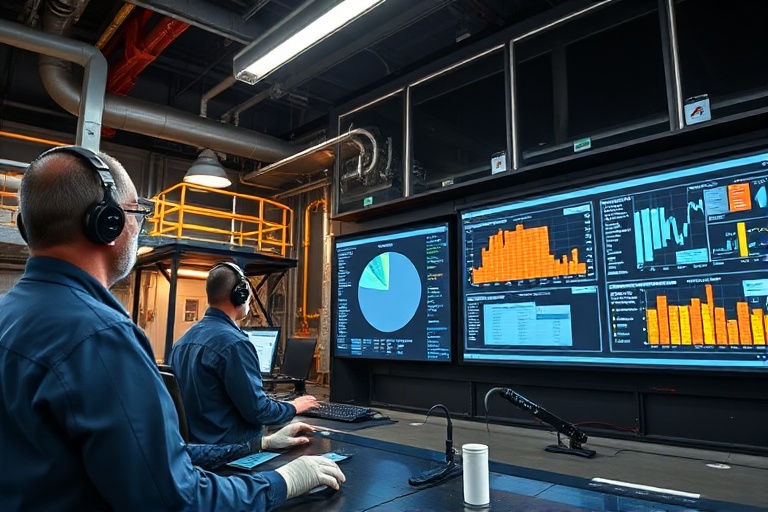
The KMI panel represents a significant advancement in display technology, bridging gaps between performance, energy efficiency, and versatility. Originating from South Korea’s booming tech industry, these panels have quietly reshaped industries from automotive to healthcare. Their adoption reflects broader trends in global manufacturing, where precision and adaptability are paramount.
As industries worldwide push for smarter, more responsive interfaces, KMI panels have emerged as a cornerstone. They combine high-resolution clarity with low power consumption, making them ideal for environments where both visibility and sustainability matter. This article explores their development, applications, and the cultural shifts they’ve inspired across continents.
Evolution of KMI Panel Technology
KMI panels trace their roots to the early 2010s, when Korean electronics manufacturers sought alternatives to traditional LCD and OLED displays. The goal was to create panels that could deliver superior brightness without excessive heat generation—a common issue in high-performance screens. Early prototypes focused on military and aerospace applications, where reliability under extreme conditions was critical.
By 2016, advancements in micro-LED integration allowed KMI panels to reduce pixel sizes dramatically. This innovation unlocked new possibilities in wearable tech and compact devices. Today, these panels are found in everything from smartphone screens to large-scale digital billboards, demonstrating their adaptability.
- 2012: Initial research phase focused on military-grade displays.
- 2015: Commercial prototypes introduced for automotive dashboards.
- 2018: Expanded into consumer electronics with energy-efficient variants.
- 2021: Integration with AI-driven interfaces for interactive applications.
Global Adoption and Industry Impact
KMI panels have gained traction in regions where infrastructure demands high durability and low maintenance. In Europe, for example, they’re widely used in public transport systems, where real-time information displays must withstand constant use. Scandinavian cities have adopted them in smart street furniture, blending sustainability with urban design.
Meanwhile, in North America, the healthcare sector has embraced KMI panels for patient monitoring systems. Their ability to maintain clarity under bright lighting conditions reduces errors in critical settings. In Asia, particularly Japan and South Korea, these panels are integral to the latest smart home devices, where minimalist design meets high functionality.
One notable trend is their role in reducing e-waste. Unlike traditional displays that degrade faster under high usage, KMI panels often last 30-50% longer. This longevity aligns with global initiatives to create more sustainable electronics, a priority highlighted by the Technology sector’s push for circular design.
Cultural Shifts and Consumer Perception
The rise of KMI panels coincides with a broader cultural shift toward minimalism and efficiency. Consumers increasingly favor devices that blend seamlessly into their environments without sacrificing performance. This preference has influenced design trends in everything from high-end smartphones to public kiosks.
In South Korea, where KMI panels originate, their integration into daily life reflects the country’s tech-savvy culture. From interactive museum exhibits to AI-powered subway maps, these panels have become symbols of innovation. Meanwhile, in Western markets, they’re often associated with premium-tier products, reinforcing their reputation as a high-end solution.
Social media has played a role in shaping perceptions as well. Videos showcasing the vibrant colors and responsiveness of KMI-equipped devices have gone viral, particularly in tech-centric communities. This organic marketing has helped the technology gain traction beyond traditional industrial applications.
Challenges and Future Directions
Despite their advantages, KMI panels face hurdles in mainstream adoption. One challenge is cost—initial production expenses remain higher than conventional displays, limiting accessibility in price-sensitive markets. Additionally, competition from emerging display technologies, such as quantum dot OLEDs, keeps the landscape competitive.
However, ongoing research is addressing these issues. Collaborations between Korean manufacturers and European tech firms aim to streamline production processes. Innovations in flexible KMI panels could soon enable foldable smartphones and rollable TVs, expanding their reach further.
The future may also see KMI panels playing a role in augmented reality (AR) applications. Their high brightness and low power draw make them ideal for AR glasses and heads-up displays in vehicles. As the metaverse continues to evolve, these panels could become a key enabler of immersive digital experiences.
Conclusion: A Quiet Revolution in Display Technology
The KMI panel story is one of incremental innovation meeting global demand. While not as flashy as some emerging technologies, its impact is undeniable across industries and cultures. From reducing energy consumption in European cities to enhancing patient care in North American hospitals, these panels exemplify how specialized technology can drive widespread change.
As manufacturing costs decrease and applications diversify, KMI panels are poised to become as ubiquitous as LCDs were in the 2000s. Their journey reflects a broader truth about modern technology: the most transformative solutions often arrive without fanfare, quietly reshaping the world one pixel at a time.