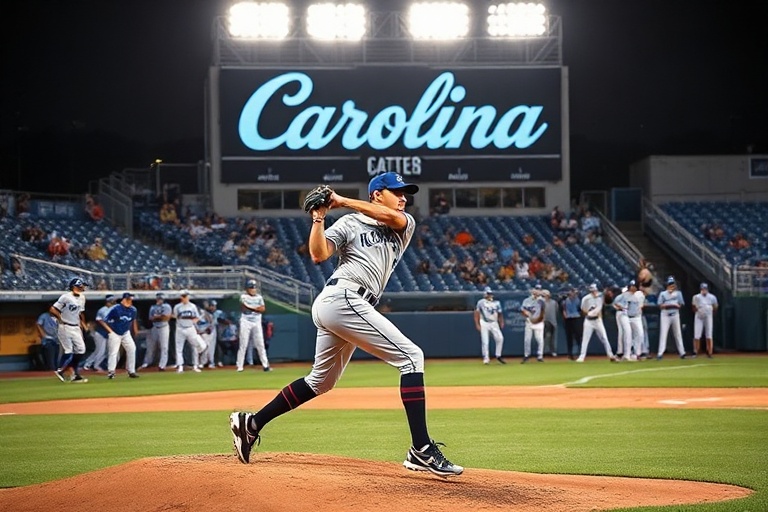
The University of North Carolina at Chapel Hill, often celebrated for its basketball heritage, has cultivated a baseball program that deserves equal attention. While the Tar Heels’ basketball legacy often overshadows their diamond exploits, UNC baseball has quietly built a tradition of excellence that extends far beyond the Atlantic Coast Conference. From historic moments on the diamond to the growing influence of international talent, the program reflects broader trends in college athletics while maintaining its own unique identity.
The Foundations of UNC Baseball
Baseball at UNC dates back to the late 19th century, making it one of the oldest programs in the university’s athletic history. The Tar Heels played their first official game in 1867, just two years after the Civil War, when baseball was becoming a symbol of national healing and cultural unity. Early matches were often played on makeshift fields near the campus, long before the construction of Boshamer Stadium in 1972—now the home of Tar Heel baseball.
Over the decades, UNC baseball evolved from a regional pastime into a competitive intercollegiate sport. The program joined the Atlantic Coast Conference in 1953, a move that elevated its profile and solidified its place among the nation’s elite baseball schools. While the team has not won a national championship, its consistent presence in the NCAA Tournament—particularly in the 1980s and 2000s—has cemented its reputation as a perennial contender.
- 1980s Golden Era: Under coach Mike Roberts, UNC made five NCAA Tournament appearances and reached the College World Series in 1983.
- 2006 Breakthrough: The Tar Heels advanced to the College World Series semifinals, their deepest postseason run in decades.
- Recent Consistency: Since 2010, UNC has appeared in the NCAA Tournament eight times, including back-to-back trips in 2022 and 2023.
These achievements are not just statistics; they reflect a program that has adapted to changing times while preserving its core values of teamwork, discipline, and development.
The Globalization of Tar Heel Baseball
One of the most striking transformations in college baseball over the past two decades has been its globalization. UNC, like many top programs, now recruits athletes from across the United States and beyond. In 2023, the Tar Heels featured players from Puerto Rico, the Dominican Republic, and even Australia, reflecting the sport’s growing international appeal.
This shift mirrors broader trends in college athletics, where programs increasingly scout talent globally to remain competitive. Baseball’s status as one of the world’s most widely played sports means that raw talent is distributed across continents. UNC’s coaching staff, led by head coach Scott Forbes since 2021, has emphasized identifying and developing these international prospects, often integrating them into a team-first culture.
The cultural exchange goes both ways. American players benefit from exposure to different training methods and baseball philosophies, while international players adapt to the fast-paced, academically rigorous environment of UNC. Some, like outfielder Angel Barberena from Puerto Rico, have become fan favorites for their leadership and clutch performances.
The Role of Technology in Recruitment
Advancements in technology have revolutionized how UNC identifies and evaluates talent. High-speed cameras, biomechanical analysis, and data-driven scouting tools now play a crucial role in assessing players’ potential. The Tar Heels’ coaching staff uses these tools to compare domestic recruits with international prospects, ensuring that no stone is left unturned.
Social media has also democratized recruitment. Players from the Dominican Republic or Japan can now upload highlight reels to platforms like Twitter or Instagram, catching the attention of college coaches without the need for expensive scouting trips. For a program like UNC, this means access to a deeper pool of talent than ever before.
UNC Baseball in the Community and Culture
Beyond the field, UNC baseball plays a vital role in the local and regional culture. The team’s home games at Boshamer Stadium draw crowds of over 2,000 on weekends, creating a lively atmosphere reminiscent of minor-league baseball parks. The stadium’s intimate setting—seating just 4,100—fosters a sense of community that larger venues often lack.
Baseball at UNC is also intertwined with the university’s academic mission. Many players go on to careers in sports management, coaching, or business, leveraging their experience in the program to build professional networks. The NCAA’s emphasis on academic performance ensures that Tar Heels student-athletes graduate at rates above the national average for college baseball.
The cultural significance of baseball in North Carolina cannot be overstated. While basketball dominates the state’s sports conversation, baseball remains a beloved pastime, especially in rural areas and small towns. Programs like UNC’s serve as a bridge between the university and these communities, offering local players a pathway to higher education through the sport they love.
Looking Ahead: The Future of UNC Baseball
The Tar Heels’ future appears bright, with a pipeline of talent that blends homegrown North Carolina athletes with international recruits. The program’s commitment to player development, both on and off the field, positions it well to compete at the highest levels of college baseball.
Key areas to watch include:
- Facility Upgrades: Plans for renovations to Boshamer Stadium could enhance recruiting and fan engagement.
- NIL (Name, Image, Likeness): With new opportunities for athletes to monetize their brand, UNC baseball could attract top talent who see the program as a launchpad for professional careers.
- Coaching Stability: Consistency in leadership, as seen with Scott Forbes, is crucial for sustained success.
- Academic Integration: Strengthening ties between the baseball program and UNC’s renowned academic departments could further elevate its reputation.
As college baseball continues to evolve, UNC’s ability to adapt while staying true to its traditions will determine its long-term success. The program’s blend of history, global recruitment, and community engagement offers a compelling model for how college athletics can thrive in the 21st century.
The Tar Heels may never match the fame of the basketball team, but their story is one of quiet persistence, cultural richness, and unyielding passion for the game. In a sport often defined by statistics and draft picks, UNC baseball reminds us that the heart of athletics lies in the people who play it—and the communities that support them.
Explore more about college baseball and Tar Heel athletics on Sports and Analysis pages.