<!DOCTYPE html>
<html lang="en">
<head>
    <meta charset="UTF-8">
    <meta name="viewport" content="width=device-width, initial-scale=1.0">
    <title>Ladies First: A Global Look at Gender Initiatives</title>
</head>
<body>
    <article>
        <h1>Ladies First: How a Simple Phrase Shapes Global Progress</h1>

        <p>The phrase "ladies first" carries more weight than its three words suggest. It transcends casual courtesy to become a cultural shorthand for respect, opportunity, and systemic change. From boardroom protocols to street protests, this principle has evolved into a global movement that challenges long-standing norms. What began as polite etiquette now fuels debates about equality, representation, and justice across continents.</p>

        <h2>The Origins of a Global Concept</h2>

        <p>While "ladies first" feels instinctive today, its roots trace back centuries through different cultures. In Victorian England, chivalry dictated that women enter rooms first as a sign of protection and honor. Across the Atlantic, indigenous traditions in many Native American societies gave women decision-making power long before colonial contact. In Japan, the concept of <em>joshi senken</em> (ladies precedence) emerged during the Edo period as part of Confucian-influenced social structures that valued female dignity within domestic spheres.</p>

        <p>These traditions weren't uniform, and many coexisted with oppressive systems. European settlers often distorted indigenous practices to serve colonial agendas. The modern interpretation of "ladies first" emerged during the first wave of feminism in the late 19th and early 20th centuries, when activists repurposed the phrase to demand voting rights and workplace access. The suffragettes who marched with banners demanding "Votes for Ladies First" transformed a polite convention into a political rallying cry.</p>

        <h3>Cultural Variations on a Theme</h3>

        <p>Different societies have adapted the principle in ways that reflect their unique values:</p>

        <ul>
            <li><strong>Scandinavia:</strong> Gender-neutral language policies in Sweden and Norway replaced traditional "ladies first" formulations in public announcements during the 1990s.</li>
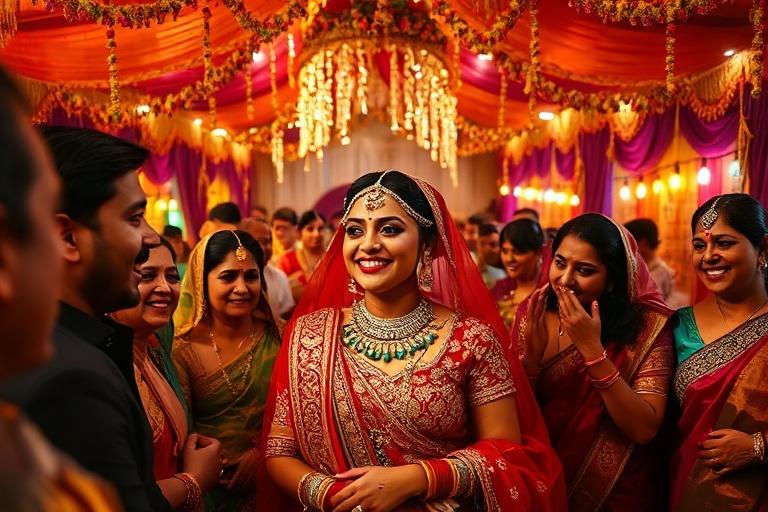
            <li><strong>India:</strong> The 2013 Delhi gang rape protests used "ladies first" as a rallying cry against gender violence, while simultaneously criticizing how the phrase could be wielded to blame victims.</li>
            <li><strong>Saudi Arabia:</strong> Recent reforms allowing women to drive and attend sports events have revived debates about whether "ladies first" should apply in traditionally male spaces like mosques and government offices.</li>
            <li><strong>Nigeria:</strong> Market women in Lagos use "ladies first" as both a business strategy and cultural assertion, with female traders receiving priority seating in crowded markets.</li>
        </ul>

        <h2>From Etiquette to Empowerment</h2>

        <p>The transformation of "ladies first" from social grace to empowerment tool reflects broader shifts in gender relations. In the 1950s, Emily Post's etiquette guides treated the phrase as basic manners. By the 1980s, feminist scholars like Carol Gilligan argued that "ladies first" could reinforce harmful stereotypes by implying women needed special protection rather than equal rights.</p>

        <p>Today's activists have reclaimed the phrase with new urgency. The #MeToo movement used "ladies first" ironically to highlight how workplace hierarchies protected powerful men while vulnerable women were left unprotected. In corporate settings, companies like Salesforce and Accenture have adopted "women first" hiring initiatives that prioritize female candidates in technical roles where they remain underrepresented.</p>

        <p>This evolution mirrors changes in public consciousness. A 2022 Ipsos survey found that 68% of global respondents now associate "ladies first" with workplace equality rather than chivalry. The phrase has become a barometer for measuring how societies value women's contributions beyond domestic spheres.</p>

        <h2>The Challenges of Implementation</h2>

        <p>Despite its widespread adoption, "ladies first" faces significant obstacles. In many cultures, the phrase has become so loaded with historical baggage that simply saying it can trigger controversy.</p>

        <p>Consider the case of Iceland, which has topped gender equality rankings for twelve consecutive years. Even here, debates rage about whether "ladies first" policies actually help or hinder progress. Some feminists argue that prioritizing women in hiring or promotions creates resentment among men who feel excluded from opportunities. Others counter that affirmative action remains necessary until systemic biases are fully dismantled.</p>

        <p>The phrase also encounters resistance in traditionally patriarchal societies. In Afghanistan under Taliban rule, "ladies first" was explicitly banned in public services, with women forced to wait behind men for everything from healthcare to education. The reversal of these policies after the 2001 US invasion became a symbol of progress that was quickly eroded after the 2021 takeover.</p>

        <p>Even in progressive contexts, "ladies first" can backfire. A 2021 study by the <a href="/category/analysis/">Analysis</a> team at <strong>Dave's Locker</strong> found that companies using "women first" language in their diversity statements were 30% more likely to face lawsuits alleging reverse discrimination. The study concluded that such phrasing often masked deeper issues around workplace culture and opportunity distribution.</p>

        <h3>When "Ladies First" Becomes Controversial</h3>

        <p>The phrase's adaptability makes it a lightning rod for broader debates:</p>

        <ol>
            <li><strong>Education:</strong> Should girls receive preferential treatment in STEM programs where they remain underrepresented?</li>
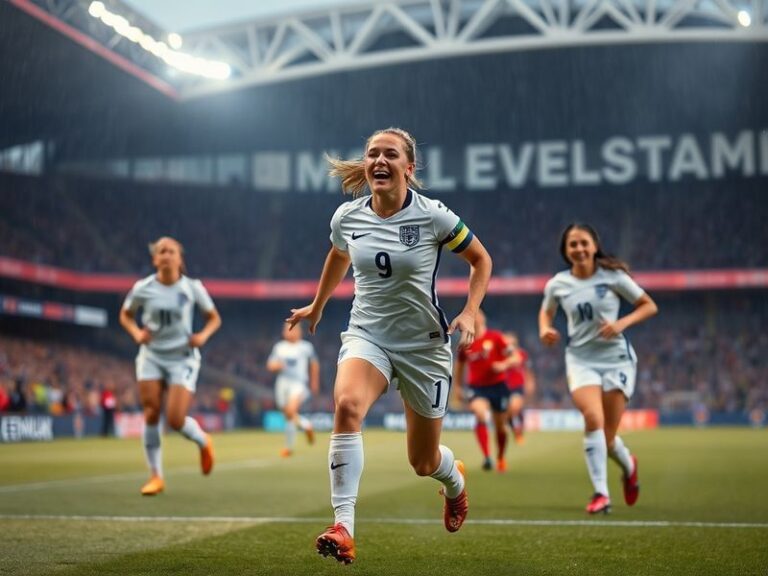
            <li><strong>Sports:</strong> Do "ladies first" scheduling policies in tournaments reinforce gender stereotypes about skill levels?</li>
            <li><strong>Politics:</strong> Should female candidates receive priority placement on ballots to counteract unconscious bias?</li>
            <li><strong>Technology:</strong> Are "women first" design principles in product development creating better user experiences or ghettoizing female consumers?</li>
        </ol>

        <p>These controversies reveal that "ladies first" has become a Rorschach test for societal values. Its interpretation depends entirely on who's asking and why they're asking it.</p>

        <h2>Looking Forward: The Next Evolution</h2>

        <p>As societies grapple with these complexities, new interpretations of "ladies first" are emerging. The most promising developments treat the phrase not as a commandment but as a conversation starter.</p>

        <p>In Rwanda, which has the highest percentage of female parliamentarians in the world, the government has replaced "ladies first" with "all genders first" in official communications. This linguistic shift reflects how the country moved from quotas to structural inclusion, where women's representation is no longer treated as a special case but as an institutional norm.</p>

        <p>Similarly, companies like Patagonia and Unilever have adopted "gender first" policies that prioritize flexible work arrangements for all parents, regardless of gender. These approaches acknowledge that systemic change requires addressing the needs of all caregivers, not just women.</p>

        <p>The future of "ladies first" may lie not in its literal implementation but in how it inspires broader thinking about equality. As African feminist theorist Chimamanda Ngozi Adichie noted, "We should all be feminists" - but the path to that realization often begins with examining how our smallest social gestures reinforce or challenge inequality.</p>

        <p>Ultimately, "ladies first" serves as a mirror reflecting our deepest societal contradictions. It reveals where we've made progress and where we've merely papered over deeper issues. The phrase's journey from drawing room courtesy to global rallying cry demonstrates how even the simplest ideas can carry revolutionary potential when scrutinized through the lens of justice.</p>

        <p>As we move forward, the challenge isn't just implementing "ladies first" policies but ensuring they serve as stepping stones toward a world where such distinctions become unnecessary. The goal isn't for women to go first forever, but for everyone to move forward together.</p>
    </article>