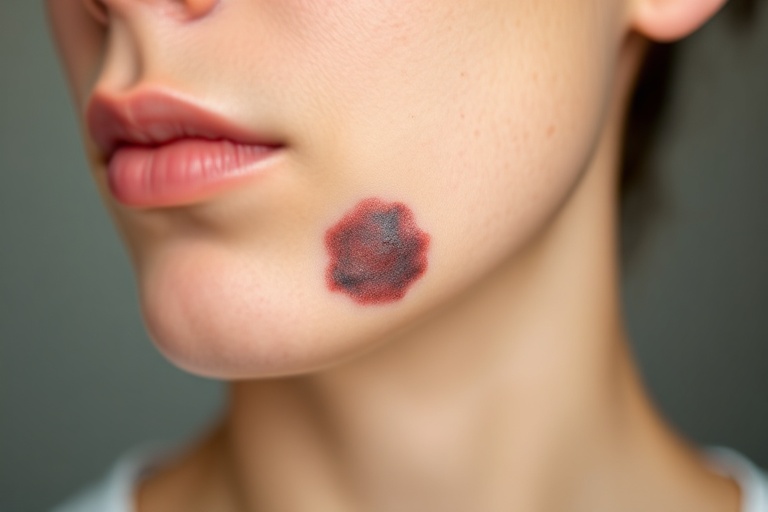
Melanoma: Risks, Detection, and Treatment Options Explained
“`html
Understanding Melanoma: Risks, Detection, and Treatment Options
Melanoma remains one of the most serious forms of skin cancer, yet it is also one of the most preventable. Unlike other cancers, melanoma often develops in visible areas of the skin, making early detection a critical factor in survival rates. According to the American Cancer Society, over 100,000 new cases of melanoma are diagnosed annually in the United States alone, with nearly 8,000 deaths attributed to the disease each year. These statistics underscore the importance of awareness, prevention, and proactive healthcare.
The Science Behind Melanoma: How It Develops
Melanoma originates in melanocytes, the cells responsible for producing melanin, the pigment that gives skin its color. When these cells undergo DNA damage—often due to ultraviolet (UV) radiation from the sun or tanning beds—they can begin to grow uncontrollably. This uncontrolled growth leads to the formation of malignant tumors. Unlike basal cell or squamous cell carcinomas, which are more common but less aggressive, melanoma has a higher tendency to spread (metastasize) to other parts of the body if not treated early.
Several factors contribute to the development of melanoma, including genetic predisposition and environmental exposure. Individuals with fair skin, a history of sunburns, or numerous moles are at higher risk. Additionally, a family history of melanoma increases the likelihood of diagnosis. Understanding these risk factors is the first step toward prevention and early intervention.
Types of Melanoma
Melanoma manifests in several forms, each with distinct characteristics and behaviors:
- Superficial spreading melanoma: The most common type, often appearing as a flat or slightly raised lesion with irregular borders. It tends to grow horizontally before penetrating deeper layers of skin.
- Nodular melanoma: A more aggressive form that grows rapidly downward into the skin. It often presents as a dark bump and is more likely to be diagnosed at later stages.
- Lentigo maligna melanoma: Typically found in older adults, this type develops in areas of chronic sun damage, such as the face. It grows slowly and is often larger in size when detected.
- Acral lentiginous melanoma: The rarest form, occurring on the palms of the hands, soles of the feet, or under the nails. It is more common in people with darker skin tones and often diagnosed at later stages due to its location.
Prevention Strategies: Reducing Your Risk
Preventing melanoma starts with minimizing UV exposure, the primary environmental risk factor. The Skin Cancer Foundation emphasizes that even one blistering sunburn during childhood can double the risk of developing melanoma later in life. Simple measures, such as seeking shade, wearing protective clothing, and applying broad-spectrum sunscreen with an SPF of 30 or higher, can significantly reduce risk.
Tanning beds are another major contributor to melanoma, particularly among young adults. A single session in a tanning bed increases the risk of melanoma by 20%, and the risk rises with each additional use. Public health campaigns have increasingly targeted tanning salons, leading to stricter regulations in many regions. For those who enjoy a sun-kissed glow, self-tanners and bronzers offer safer alternatives.
Regular self-examinations and professional skin checks are essential components of prevention. The ABCDE rule provides a straightforward method for identifying potential melanomas:
- A (Asymmetry): One half of the mole does not match the other.
- B (Border): The edges are irregular, ragged, or blurred.
- C (Color): The mole exhibits multiple shades or an uneven distribution of color.
- D (Diameter): The lesion is larger than 6 millimeters (about the size of a pencil eraser), though melanomas can be smaller.
- E (Evolving): The mole changes in size, shape, or color over time.
If any of these signs are present, consulting a dermatologist is strongly advised. Early detection can mean the difference between a simple outpatient procedure and a life-threatening diagnosis.
Treatment Options: From Early Detection to Advanced Therapies
When melanoma is caught in its earliest stages, treatment is often straightforward. A dermatologist will perform a biopsy to confirm the diagnosis and determine the tumor’s depth, a critical factor in staging. For thin melanomas (Stage 0 or I), surgical excision is typically sufficient. The entire tumor and a small margin of surrounding tissue are removed to ensure no cancerous cells remain.
For more advanced cases, treatment becomes more complex. Stage II melanomas may require wider excisions and sentinel lymph node biopsies to check for metastasis. If cancer cells are found in the lymph nodes, further treatment, such as lymph node dissection, may be necessary. Stage III and IV melanomas, where cancer has spread to distant organs, require a multidisciplinary approach, often involving surgery, immunotherapy, targeted therapy, chemotherapy, or radiation.
Immunotherapy has revolutionized melanoma treatment in recent years. Drugs such as pembrolizumab (Keytruda) and nivolumab (Opdivo) harness the body’s immune system to attack cancer cells. These therapies have shown remarkable success in extending survival rates, even for patients with advanced melanoma. Targeted therapies, which focus on specific genetic mutations like BRAF V600E, have also improved outcomes for many patients. However, these treatments are not without side effects and require close monitoring by oncologists.
Clinical trials continue to explore new avenues for melanoma treatment, including personalized vaccines and combination therapies. For patients with metastatic melanoma, participation in a clinical trial may provide access to cutting-edge treatments not yet available to the general public. Organizations like the Health section on Dave’s Locker provide resources for those seeking clinical trial information and expert care.
The Psychological and Financial Impact of Melanoma
A melanoma diagnosis extends beyond physical health, affecting emotional well-being and financial stability. Patients often experience anxiety, depression, or fear of recurrence, particularly during follow-up care. Support groups, both in-person and online, can offer a sense of community and shared experience. Mental health professionals specializing in oncology can also provide coping strategies tailored to the unique challenges of cancer survivorship.
The financial burden of melanoma treatment can be overwhelming. According to a study published in the Journal of the National Cancer Institute, the average cost of treating metastatic melanoma exceeds $100,000 annually. These expenses include surgery, medications, hospital stays, and follow-up care. Insurance coverage varies widely, and patients may face high out-of-pocket costs, especially for newer immunotherapies and targeted drugs. Advocacy groups and patient assistance programs can help mitigate these financial strains, ensuring that individuals receive the care they need without undue hardship.
For families, melanoma can also disrupt daily life, leading to missed workdays, caregiving responsibilities, and emotional strain. Open communication with healthcare providers and employers about treatment schedules and accommodations is essential. The Health resources on Dave’s Locker offer guidance on navigating these challenges, from understanding insurance policies to accessing mental health support.
Looking Ahead: Research and Hope for the Future
The fight against melanoma is far from over, but advancements in research offer hope for improved outcomes. Scientists are exploring the role of the microbiome in melanoma development and response to treatment. Early studies suggest that gut bacteria may influence how the immune system responds to immunotherapy, opening new avenues for personalized medicine. Additionally, researchers are investigating the potential of liquid biopsies, which analyze blood samples for cancer DNA, to detect melanoma recurrence earlier than traditional imaging techniques.
Public health initiatives also play a crucial role in reducing melanoma incidence. Campaigns like “Slip, Slop, Slap” in Australia and “Choose Your Cover” in the U.S. promote sun-safe behaviors and early detection. Schools and workplaces are increasingly adopting policies that limit UV exposure, such as providing shaded areas and encouraging the use of sunscreen. These efforts, combined with continued education, can significantly reduce the burden of melanoma on future generations.
For those affected by melanoma, whether as patients, caregivers, or advocates, staying informed and engaged is key. Organizations like the Melanoma Research Foundation and the Skin Cancer Foundation provide up-to-date information on treatments, clinical trials, and prevention strategies. By supporting research and raising awareness, the medical community and the public can work together to reduce the impact of this formidable disease.
Melanoma is a reminder that even in an era of advanced medicine, prevention and early action are our most powerful tools. Through education, advocacy, and scientific innovation, we can turn the tide against this cancer and ensure healthier futures for all.