Terry Butcher: How a Defender Became a Football Icon
“`html
Terry Butcher: The Defender Who Redefined British Football
Terry Butcher’s name remains synonymous with toughness, leadership, and an uncompromising approach to football. Born on December 28, 1958, in Singapore but raised in Suffolk, England, Butcher emerged as one of the most respected defenders of his generation. His career spanned clubs in England, Scotland, and Australia, while also leaving a lasting impact on the England national team. More than just a player, Butcher became a cultural symbol of resilience in football, influencing generations of defenders and managers alike.
His influence extended beyond the pitch. Butcher’s physical presence and no-nonsense attitude mirrored the working-class ethos of late 20th-century British football. In an era when football was rapidly transitioning from industrial grit to global spectacle, Butcher stood as a bridge between tradition and modernity. Decades later, his legacy continues to resonate in coaching philosophies and player development across Sports.
The Making of a Football Icon
Butcher began his professional journey at Ipswich Town in 1976, under the guidance of Bobby Robson. Ipswich was a club on the rise, blending technical skill with tactical discipline. Butcher quickly established himself as a reliable center-back, combining aerial dominance with a fearless approach to challenges. By 1980, he had become a key figure in Ipswich’s FA Cup-winning campaign, defeating Arsenal in a memorable final at Wembley.
His performances caught the eye of the England selectors. Butcher made his international debut in 1980, just as English football was regaining credibility after a period of decline. He formed a formidable partnership with players like Terry Fenwick and later Mark Wright, becoming the defensive anchor of the England team during World Cup qualifiers and tournaments throughout the 1980s.
The defining moment of Butcher’s international career came during the 1982 FIFA World Cup in Spain. England topped their group without conceding a goal, a testament to Butcher’s leadership at the back. Though they were eliminated in the second group stage, the team’s defensive record highlighted Butcher’s influence. His ability to read the game and make crucial interventions set a standard for future England defenders.
From Ibrox to Melbourne: A Career Across Continents
In 1986, Butcher made a high-profile move to Rangers FC in Scotland, where he became a central figure in the club’s resurgence under manager Graeme Souness. The Ibrox club was rebuilding its identity, and Butcher’s arrival signaled a new era of competitiveness. Over six seasons, he won three Scottish league titles, two Scottish Cups, and captained the side to domestic dominance.
Butcher’s time at Rangers was marked by both success and controversy. His leadership style was uncompromising, often clashing with opponents and referees. One infamous incident involved a headbutt on Aberdeen’s Willie Miller during a heated Old Firm derby. The moment became emblematic of Butcher’s fiery personality—a trait that endeared him to Rangers fans but also drew criticism from those who viewed him as overly aggressive.
In 1990, Butcher left Scotland for Australia, joining Marconi Stallions in Sydney. This move reflected football’s growing globalization. Australia was beginning to embrace the sport more widely, and Butcher’s presence helped elevate the standard of the National Soccer League. He played three seasons in Australia, becoming a mentor to younger players and contributing to the country’s football development. His influence extended beyond the pitch, as he became a respected voice in coaching and talent identification.
Transition to Management and Coaching
After retiring as a player in 1993, Butcher transitioned into management, a role that tested his tactical acumen and leadership. His first major appointment came at Motherwell in Scotland, where he guided the team to the Scottish Cup final in 1999. Though they lost to Rangers, the campaign showcased Butcher’s ability to motivate and organize a squad with limited resources.
His most notable managerial role came with Sydney FC in Australia’s A-League. Appointed in 2006, Butcher led the team to the 2006 A-League Grand Final, securing a championship in the league’s inaugural season. The victory cemented his reputation as a coach capable of delivering success in high-pressure environments. His emphasis on defensive organization and team discipline became hallmarks of his coaching philosophy.
Butcher also managed other clubs, including Brentford in England and Inverness Caledonian Thistle in Scotland. While not every stint was successful, his career reflected a consistent commitment to improvement and professionalism. He became known for developing young talent and instilling a winning mentality—qualities that define great coaches.
A Lasting Cultural Impact
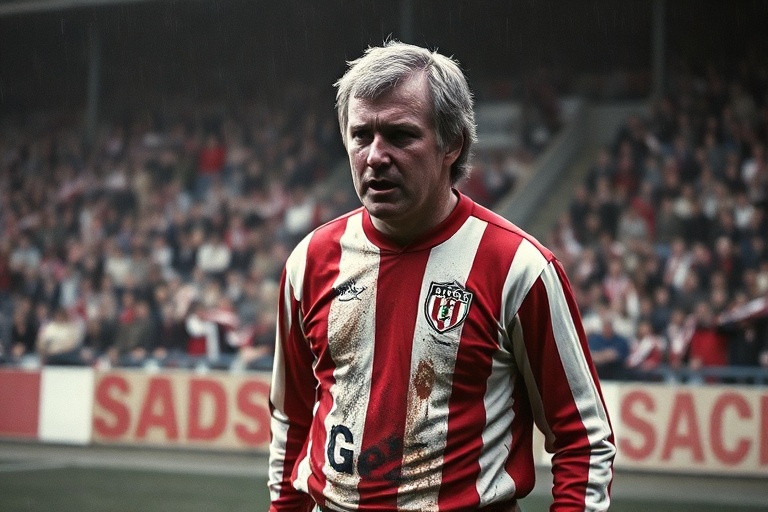
Terry Butcher’s influence transcends statistics and trophies. He represents a generation of footballers who played with unfiltered passion and a strong sense of identity. His image—bloodied, bandaged, and unyielding—became a visual shorthand for British football’s physical and emotional intensity during the 1980s.
In cultural terms, Butcher embodied the working-class hero archetype. His background in Suffolk and his rise through Ipswich’s youth system resonated with fans who saw themselves in his journey. He was never the most technically gifted defender, but his commitment and character made him a legend. This authenticity fostered a deep connection with supporters across different clubs and countries.
Butcher’s legacy also includes his role in promoting football globally. His time in Australia helped grow the game beyond traditional European strongholds. Today, he is remembered not only as a player and coach but as a bridge between football cultures—a testament to the sport’s power to connect people through shared values of determination and resilience.
Lessons from a Football Legend
Terry Butcher’s career offers several enduring lessons for football and beyond:
- Leadership through example: Butcher led by his actions, never shying away from challenges. His presence on the field inspired teammates to raise their own standards.
- Adaptability: Whether in England, Scotland, or Australia, Butcher adapted his game to different styles and environments, demonstrating the importance of versatility.
- Mentorship: His later roles in coaching and development highlight the value of passing on knowledge to younger generations.
- Authenticity: Butcher never tried to be anything other than himself—a quality that endeared him to fans and earned respect across the football world.
In an era where football increasingly prioritizes technical perfection and media image, Butcher’s career reminds us of the enduring appeal of grit, passion, and authenticity. His story is not just about trophies or accolades, but about character and commitment in the face of adversity.
A Legacy That Endures
Decades after his playing days, Terry Butcher remains a respected figure in football. He is often cited by analysts and former players as a benchmark for defensive excellence and mental strength. His influence can be seen in the careers of defenders who prioritize leadership and physicality, from Gary Cahill to Harry Maguire.
Beyond the field, Butcher has contributed to football through punditry and ambassadorial roles. He remains a sought-after voice in discussions about the sport’s evolution, particularly regarding player development and the challenges facing modern defenders.
Terry Butcher’s journey—from a modest upbringing to global football icon—is a testament to the power of perseverance. He represents a time when football was as much about heart as it was about skill. In an increasingly commercialized sport, his legacy serves as a reminder of the values that once defined football’s soul.
As football continues to evolve, figures like Terry Butcher remind us of the game’s rich history and the enduring qualities that make it special. His story is not just about a player or a coach, but about the spirit of football itself.