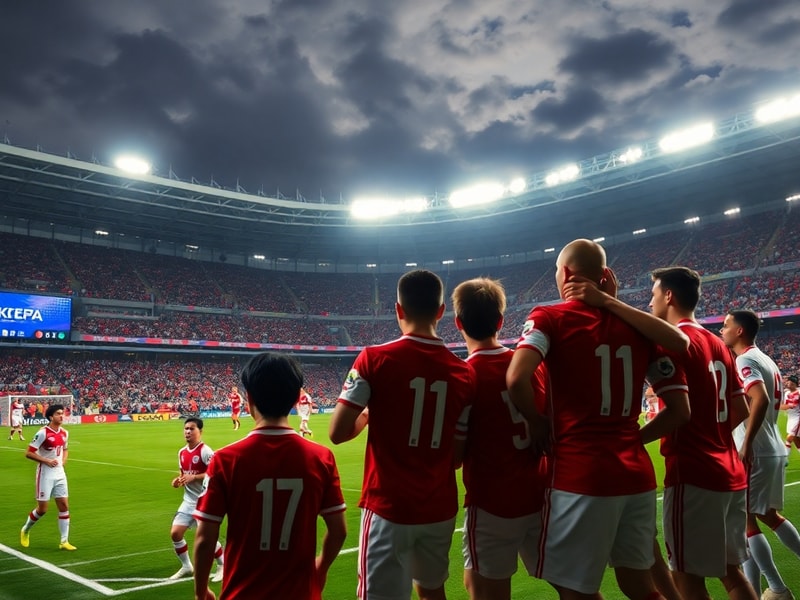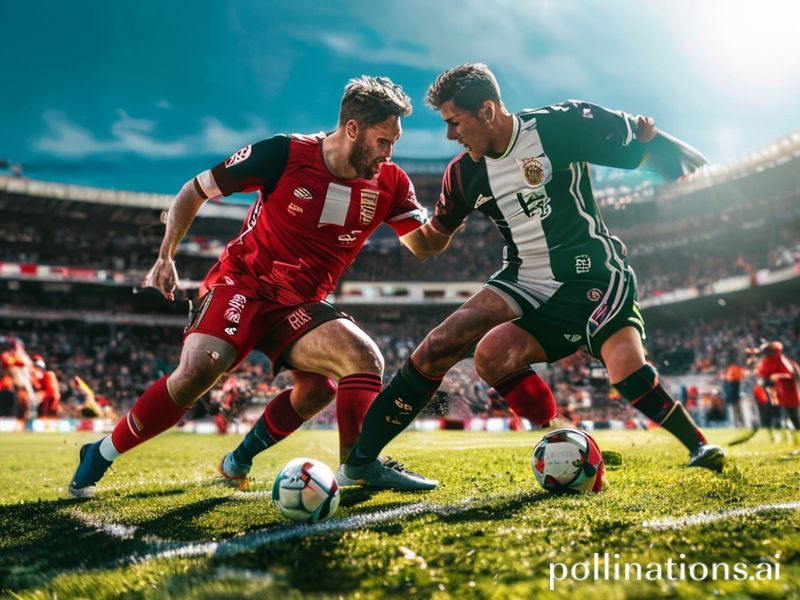
The Superclásico between River Plate and Boca Juniors isn’t just a football match; it’s an institution. Dating back to 1913, this fixture transcends sport, embedding itself in the cultural fabric of Argentina. When these two Buenos Aires giants meet, the city stops, emotions surge, and a spectacle unlike any other unfolds on the pitch.
The Origins of a Historic Rivalry
Football rivalries often stem from geographical proximity or class divides, and the Superclásico is no exception. River Plate was founded in 1901 in the affluent La Boca neighborhood, while Boca Juniors emerged in 1905 from the working-class immigrant community nearby. Their first meeting on August 24, 1913, ended in a 2-1 victory for River, but the intensity of their clashes would grow far beyond the scoreboard.
By the 1920s, the rivalry had already taken on a life of its own. Boca’s working-class identity and River’s association with wealthier residents of the north side of Buenos Aires deepened the social divide. Matches became more than competitions; they became cultural statements. Even today, the colors of the teams—Boca’s blue and yellow stripes versus River’s red and white stripes—are instantly recognizable symbols of identity in Argentina.
The rivalry’s intensity peaked during the 1966 Copa Libertadores final, when Boca defeated River over two legs, a moment that still fuels Boca fans’ pride. For River supporters, redemption came decades later in the 2018 Copa Libertadores final, where River overturned a first-leg deficit to win 5-3 on aggregate, a victory that silenced Boca’s fans and restored pride to the club’s fanbase.
Key Moments That Shaped the Superclásico
The Superclásico has produced countless unforgettable moments, but a few stand out for their drama and impact. One of the most iconic occurred in 1997 during a league match at the Bombonera, Boca’s stadium. River won 2-0, but the real story was the chaos that followed. Fans stormed the pitch, and the match was suspended. The Argentine Football Association later awarded the win to River, but the incident highlighted the raw passion—and sometimes volatility—of the fixture.
Another defining moment came in 2004, when Boca defeated River 1-0 in the Copa Libertadores quarterfinals. The match was marred by controversy after a River player was sent off, and tensions spilled over into the streets. Fans clashed with police, and the match became a symbol of the broader social tensions mirrored in the football rivalry.
The 2015 Superclásico also deserves mention. Played in the midst of a heatwave, the match ended 0-0, but the real drama unfolded off the pitch. Fans threw objects onto the pitch, and the referee briefly suspended the game. The incident led to calls for increased security and stricter enforcement of stadium regulations.
These moments, among others, illustrate why the Superclásico is more than a game. It’s a reflection of Argentina’s social and cultural landscape, where football becomes a stage for broader narratives.
Tactical Approaches: How the Teams Match Up
On the pitch, River Plate and Boca Juniors represent distinct footballing philosophies. River, historically linked with a more possession-based, technical style, has often been associated with attacking football under managers like Marcelo Gallardo. Their emphasis on building from the back and controlling the tempo reflects their ambition to play attractive, high-tempo football.
Boca Juniors, on the other hand, are known for their resilience and defensive organization. The club has produced some of Argentina’s most pragmatic managers, such as Carlos Bianchi and Guillermo Barros Schelotto, who prioritize solidity and quick transitions. Boca’s style is built on counterattacks and set-pieces, often frustrating opponents with disciplined defensive structures.
When these two styles collide, the result is a tactical chess match. River’s midfield creativity often clashes with Boca’s defensive discipline, creating a dynamic where both teams seek to impose their gameplan. In recent years, River has had the upper hand in domestic competitions, winning multiple league titles, while Boca has remained a constant threat in both domestic and continental tournaments.
The psychological aspect of the Superclásico also plays a role in the tactical battle. River players often speak of the pressure to perform in such a high-stakes environment, while Boca thrives on the role of the underdog. This dynamic forces both teams to adapt their strategies mid-match, making the Superclásico a fascinating study in football psychology.
Beyond the Pitch: The Cultural Impact of the Rivalry
The Superclásico’s influence extends far beyond the confines of the stadium. It shapes neighborhoods, influences politics, and even affects media coverage in Argentina. When the fixture approaches, newspapers dedicate entire sections to previews, while radio stations broadcast live from the streets, capturing the anticipation and tension.
For residents of Buenos Aires, the Superclásico is a rite of passage. Families divide along team lines, and friendships are tested. The rivalry has also inspired countless works of art, literature, and music, cementing its place in Argentine culture. Songs like “La 12,” a tribute to Boca’s most passionate fan group, and “Los Borrachos del Tablón,” a hymn to River’s faithful, are anthems that resonate far beyond the pitch.
The rivalry has also had a tangible impact on infrastructure. The Boca Juniors stadium, La Bombonera, is famous for its steep stands and electric atmosphere. River’s Estadio Monumental, meanwhile, is one of the largest stadiums in South America. Both venues are iconic, but they represent more than just football grounds; they are symbols of identity and pride.
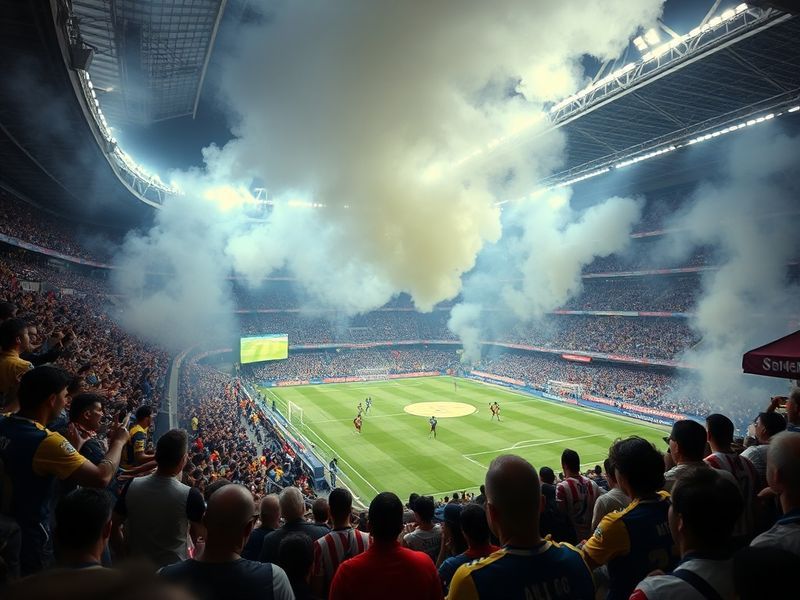
Tourists visiting Buenos Aires often cite the Superclásico as a must-see experience. The atmosphere inside the stadiums is unlike any other in football, with chants, drums, and fireworks creating an almost surreal environment. For those who attend, the experience is unforgettable—a testament to the power of football to unite and divide in equal measure.
The Role of Fans in Fueling the Rivalry
No discussion of the Superclásico would be complete without acknowledging the role of the fans. Boca’s “La 12” and River’s “Los Borrachos del Tablón” are among the most passionate fan groups in world football. Their chants, banners, and unwavering support create an atmosphere that is both intimidating and awe-inspiring.
Fan culture in Argentina is deeply political and often controversial. The government has imposed restrictions on away fans attending Superclásico matches due to safety concerns, a reflection of the rivalry’s intensity. Despite these challenges, fans continue to flock to the stadiums, undeterred by the risks.
The rivalry has also inspired fan traditions, such as Boca’s use of blue and yellow smoke bombs and River’s iconic red and white choreographies. These displays are not just for show; they are acts of defiance and pride, reinforcing the cultural significance of the fixture.
Conclusion: Why the Superclásico Endures
The River Plate vs. Boca Juniors rivalry is a testament to the power of football to transcend sport. It is a story of class, identity, and passion, played out on the pitch and in the streets of Buenos Aires. While other rivalries may come and go, the Superclásico remains a constant, a fixture that defines Argentine football and captures the imagination of fans worldwide.
For those who experience it firsthand, the Superclásico is more than a match; it’s a cultural phenomenon. The chants, the colors, the sheer intensity of the atmosphere create an experience that is unmatched in world football. Whether you’re a fan of River, Boca, or neither, the Superclásico is an event that demands respect—and leaves an indelible mark on all who witness it.
As long as football is played in Argentina, the Superclásico will endure. It is a reminder that the beautiful game is about more than just points and trophies; it’s about identity, passion, and the stories that bind communities together.
For fans looking to dive deeper into Argentine football, Dave’s Locker News offers comprehensive coverage of domestic and international leagues, while Dave’s Locker Sports provides analysis and insights into the biggest stories shaping the sport.