Wizz Air Holdings: How Europe’s Budget Airline Conquered the Skies
“`html
Wizz Air Holdings: Europe’s Budget Airline Disruptor
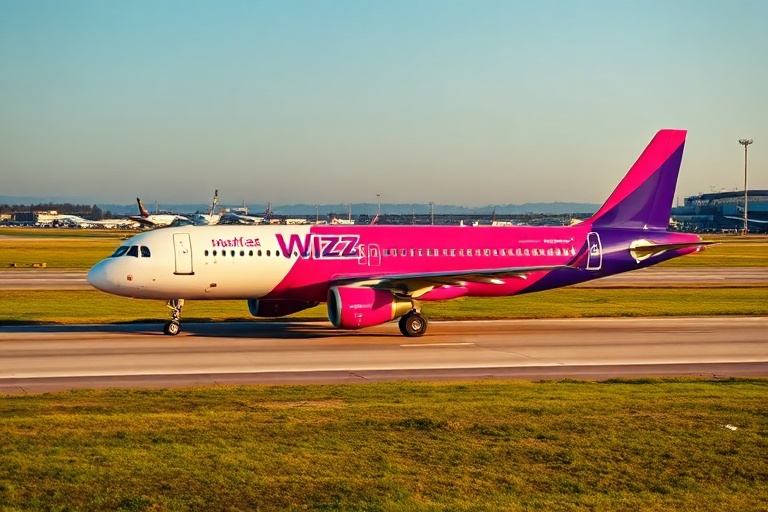
Wizz Air Holdings plc has reshaped European air travel through aggressive expansion and relentless cost-cutting. Since its founding in 2003, the Hungarian-based carrier has grown into the continent’s third-largest airline by passenger numbers, challenging legacy carriers and low-cost rivals alike.
The Rise of Wizz Air in Europe’s Competitive Skies
Wizz Air began operations with a single aircraft in 2004, flying between Katowice and London Luton. Two decades later, the airline operates over 1,500 flights per week to more than 200 airports across 50 countries. Its growth has been fueled by a strategy focused on secondary airports, young fleets, and ultra-low fares.
Unlike traditional airlines that prioritize hub-and-spoke models, Wizz Air thrives on point-to-point routes. This approach allows it to bypass congested major airports and offer cheaper tickets. The strategy has paid off: Wizz Air now carries over 50 million passengers annually, making it a dominant player in Central and Eastern Europe.
Its rapid expansion hasn’t come without controversy. Critics argue that Wizz Air’s aggressive pricing undermines labor standards and environmental goals. Yet, for millions of budget-conscious travelers, the airline remains a lifeline to affordable travel across Europe.
Key Strategies Behind Wizz Air’s Success
Wizz Air’s business model revolves around three core pillars: cost efficiency, fleet standardization, and market expansion. These strategies have allowed it to undercut competitors while maintaining profitability.
- Cost Efficiency: Wizz Air operates with an average cost per seat of €35, one of the lowest in the industry. This is achieved through high aircraft utilization, lean staffing, and minimal frills on board.
- Fleet Standardization: The airline exclusively flies Airbus A320 and A321 aircraft, simplifying maintenance and reducing training costs. Its youngest fleet in Europe also minimizes fuel consumption and emissions.
- Market Expansion: Wizz Air targets underserved markets, particularly in Eastern Europe where air travel was historically expensive. By connecting cities like Prague to Pristina or Bucharest to Berlin, it taps into demand for affordable regional travel.
Another key factor is its reliance on ancillary revenue. Wizz Air generates nearly 50% of its income from add-ons like seat selection, priority boarding, and baggage fees. This diversified revenue stream insulates the airline from fuel price volatility and economic downturns.
Controversies and Challenges Facing the Airline
Despite its success, Wizz Air has faced scrutiny over labor practices and environmental impact. The airline has been accused of pressuring employees to work longer hours for lower wages than peers like Ryanair or easyJet. In 2022, strikes by Wizz Air staff in Poland and Hungary highlighted tensions over working conditions.
Environmentally, Wizz Air’s rapid growth raises concerns. While its young fleet is more fuel-efficient, the sheer volume of flights contributes to rising carbon emissions. The airline has pledged to achieve carbon-neutral growth by 2030, but critics question whether offsets and sustainable aviation fuels can offset its expansion.
Regulatory challenges also loom. Wizz Air’s dominance in Eastern Europe has drawn antitrust scrutiny, particularly as it expands into new markets. In 2023, the European Commission investigated whether the airline’s aggressive pricing stifled competition.
The Broader Impact on European Aviation
Wizz Air’s ascent reflects broader trends in European aviation. Low-cost carriers now account for over 40% of intra-European flights, up from 15% in 2000. This shift has forced legacy airlines like Lufthansa and Air France to adopt budget-friendly subsidiaries or risk losing market share.
For travelers, the benefits are clear: cheaper fares and more routes. However, the rise of budget airlines has also contributed to airport congestion at secondary hubs and strained infrastructure in smaller cities. Meanwhile, rural communities now enjoy better connectivity, boosting local economies.
Looking ahead, Wizz Air’s ambitions extend beyond Europe. The airline has expressed interest in expanding into Africa and the Middle East, where demand for affordable air travel is growing. If successful, it could replicate its European model on a global scale.
For now, Wizz Air remains a symbol of disruption in an industry long dominated by legacy carriers. Its ability to balance growth with profitability will determine whether it can sustain its influence—or face backlash from regulators, employees, and environmentalists.