Merritt Island: Where Space Exploration Meets Pristine Nature
“`html
Merritt Island: A Hidden Gem Between Space and Sea
Merritt Island, a slender landmass on Florida’s Atlantic coast, bridges two iconic American landscapes: the Kennedy Space Center and the untamed beauty of the Canaveral National Seashore. While it rarely dominates global headlines, its proximity to NASA’s launch pads and its role as a refuge for wildlife and history make it a compelling destination for travelers, scientists, and outdoor enthusiasts alike.
The island’s strategic location has shaped its identity over centuries. From its origins as a hunting ground for the Timucua people to its transformation into a Cold War-era launch site, Merritt Island has evolved alongside America’s ambitions in space and its commitment to conservation. Today, it stands as a testament to how innovation and nature can coexist—where rocket launches echo over mangrove swamps and rocket scientists share the same shorelines as endangered sea turtles.
The Space Coast Connection: Where Exploration Begins
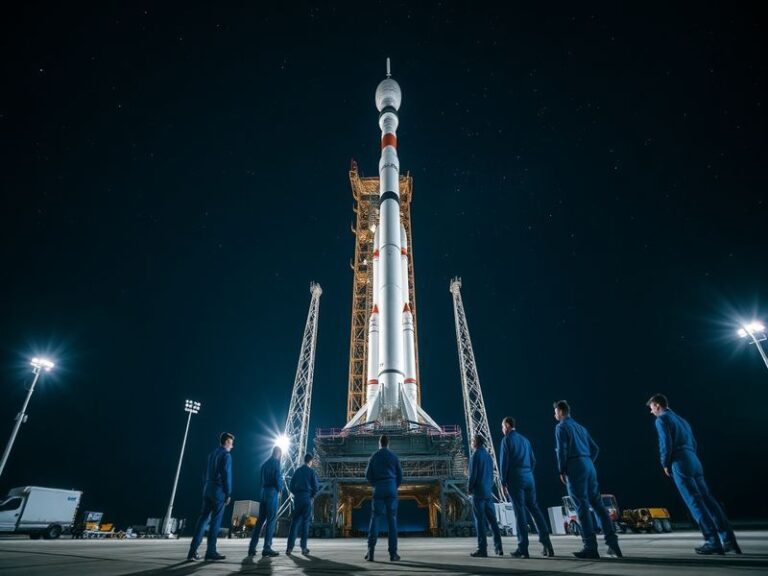
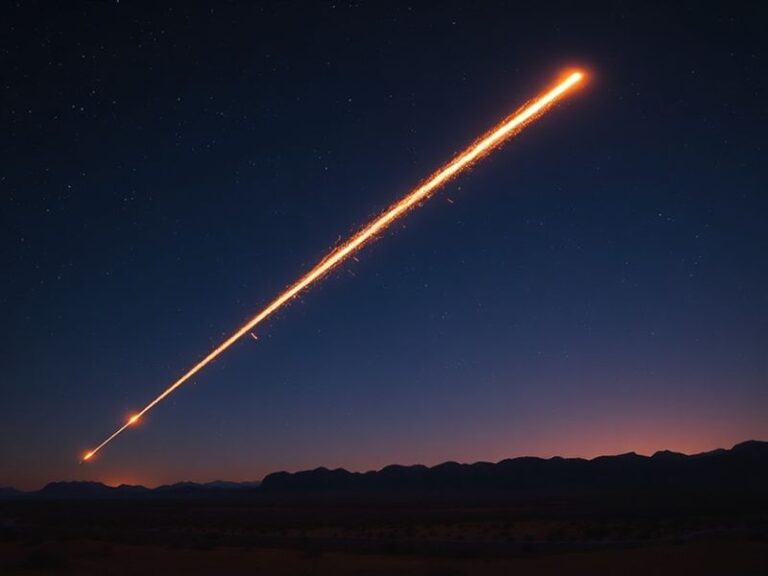
Merritt Island’s most famous neighbor is the Kennedy Space Center, the launch site for every human mission to the Moon and the starting point for countless satellites and probes. The center’s Visitor Complex attracts over 1.5 million visitors annually, but Merritt Island itself offers a quieter vantage point for observing launches. Residents and visitors gather along the shores of the Banana River, where the glow of rocket exhaust illuminates the pre-dawn sky during liftoffs.
The space program has left an indelible mark on the region. Roads leading to the launch pads bear names like “Astronaut Boulevard,” and local businesses—from seafood shacks to surf shops—often display memorabilia from NASA missions. The island’s economy has long relied on the space industry, with engineers and technicians commuting from nearby Titusville and Cocoa Beach. Even as private companies like SpaceX and Blue Origin expand their operations, Merritt Island remains a critical piece of the puzzle, offering both logistical support and a front-row seat to history.
For those interested in the intersection of science and culture, the Science section of Dave’s Locker features deeper explorations of how space exploration influences everyday life—from GPS technology to medical advancements.
Nature’s Unspoiled Canvas: The Canaveral National Seashore
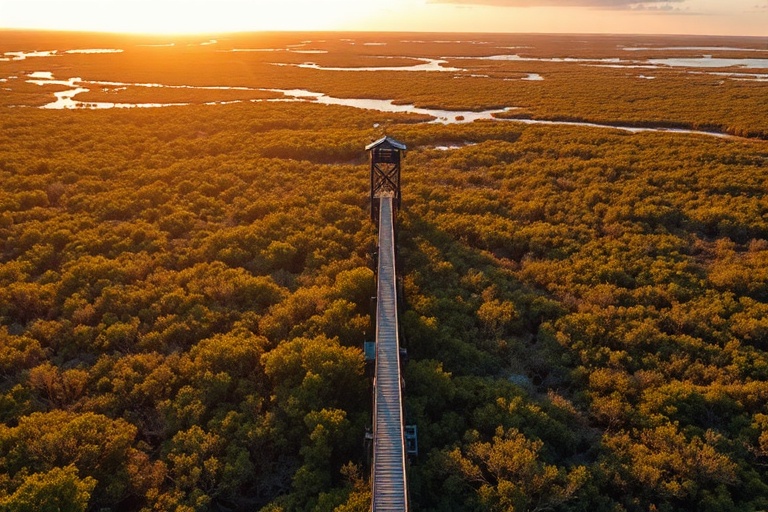
On the eastern edge of Merritt Island lies the Canaveral National Seashore, a 57,000-acre preserve that ranks among Florida’s most pristine natural wonders. Unlike the crowded beaches of Daytona or Miami, this stretch of coastline remains largely untouched, with dunes, marshes, and maritime forests teeming with biodiversity. The seashore is part of the Atlantic Flyway, a major bird migration route, and hosts species like the gopher tortoise, West Indian manatee, and dozens of migratory songbirds.
Visitors can explore the seashore via scenic trails, kayak through the Indian River Lagoon, or simply relax on one of the few public beaches where the only footprints in the sand might belong to a loggerhead turtle. The park’s biodiversity is a stark contrast to the high-tech environment just a few miles inland. It’s a reminder that Merritt Island is more than a launchpad for rockets—it’s also a sanctuary for creatures that have thrived here for millennia.
The seashore’s ecological significance has drawn international attention. Researchers from around the world come to study its ecosystems, particularly the impacts of climate change and rising sea levels. The island’s marshes act as natural buffers against storms, a critical function as coastal communities face increasing threats from hurricanes and erosion.
A Cultural Crossroads: From Indigenous Roots to Modern Retreats
Merritt Island’s history is as layered as its landscapes. Long before European settlers arrived, the Timucua people inhabited the region, relying on the island’s abundant fish, game, and wild plants. Archaeological sites along the rivers hint at their sophisticated way of life, which included intricate shell mounds and trade networks stretching across Florida.
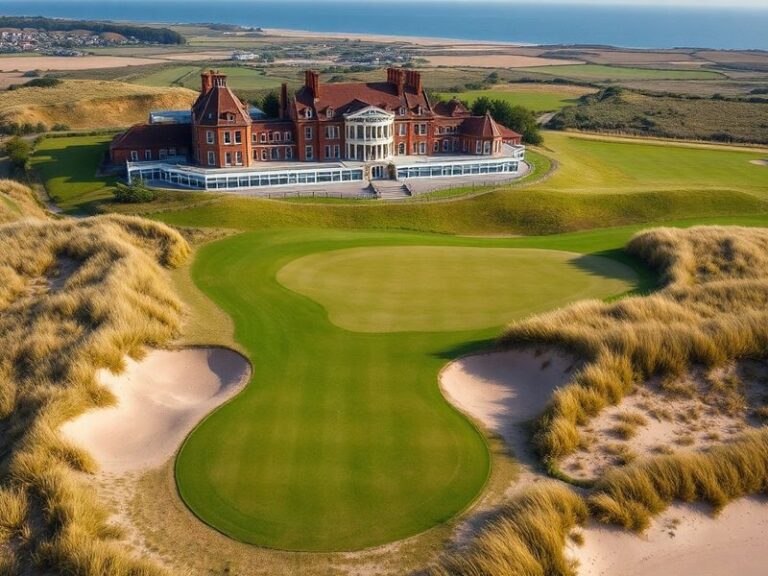
In the 18th and 19th centuries, the island became a haven for fishermen, farmers, and smugglers—its remote location made it ideal for evading authorities. By the early 20th century, it had evolved into a retreat for wealthy northerners seeking winter escapes, with grand estates dotting the shores. Today, remnants of this era can still be seen in the historic homes of the Merritt Island National Wildlife Refuge and the preserved citrus groves that once thrived in the island’s fertile soil.
The island’s cultural identity today is a blend of these influences. The Culture section of Dave’s Locker often highlights communities like Merritt Island, where tradition and innovation collide. From the annual Space Coast Birding & Wildlife Festival to the local art galleries showcasing works inspired by the region’s landscapes, the island’s creative spirit is as vibrant as its natural and scientific ones.
Why Merritt Island Matters Beyond Florida
Merritt Island may seem like a small dot on the map, but its significance extends far beyond its shores. It embodies the duality of modern America: a place where humanity reaches for the stars while fiercely protecting the natural world. This balance is increasingly rare in a globalized era where development often trumps conservation.
Globally, islands face unique challenges—rising sea levels, overdevelopment, and the loss of indigenous cultures. Merritt Island offers a model for how these challenges can be met. Its protected lands demonstrate the value of conservation, while its role in space exploration showcases the power of human ingenuity. The island also serves as a case study in adaptive reuse, transforming former agricultural and military lands into thriving ecosystems and economic hubs.
For travelers seeking off-the-beaten-path destinations, Merritt Island provides an authentic slice of Florida that avoids the tourist traps of Orlando or the crowds of Miami. It’s a place where you can watch a rocket launch in the morning and kayak through a bioluminescent bay at night—an experience that captures the essence of Florida’s diversity.
As climate change and technological advancement reshape the world, places like Merritt Island will become increasingly important. They remind us that progress doesn’t have to come at the expense of nature, and that the most compelling stories often lie in the spaces between the headlines.
Planning Your Visit: Tips for Exploring Merritt Island
If you’re inspired to visit, here’s what you need to know to make the most of your trip:
- Best Time to Visit: The dry season (November to April) offers ideal weather for outdoor activities, while launch schedules are more predictable during this period.
- Must-See Spots:
- Kennedy Space Center Visitor Complex: Book tickets in advance for behind-the-scenes tours and astronaut encounters.
- Canaveral National Seashore: Arrive early to secure parking at Playalinda Beach, one of the few undeveloped beaches in Florida.
- Black Point Wildlife Drive: A 7-mile loop through marshes teeming with alligators, herons, and eagles.
- Local Flavors: Try the fresh catch of the day at Florida’s Fresh Grill or grab a key lime pie from a roadside diner.
- Getting Around: A car is essential, as public transportation is limited. Consider renting a kayak or bike to explore the island’s quieter corners.
Whether you’re drawn by the allure of space exploration, the call of untouched nature, or the charm of a place where history and innovation intertwine, Merritt Island offers an experience that lingers long after the rocket smoke clears.
—