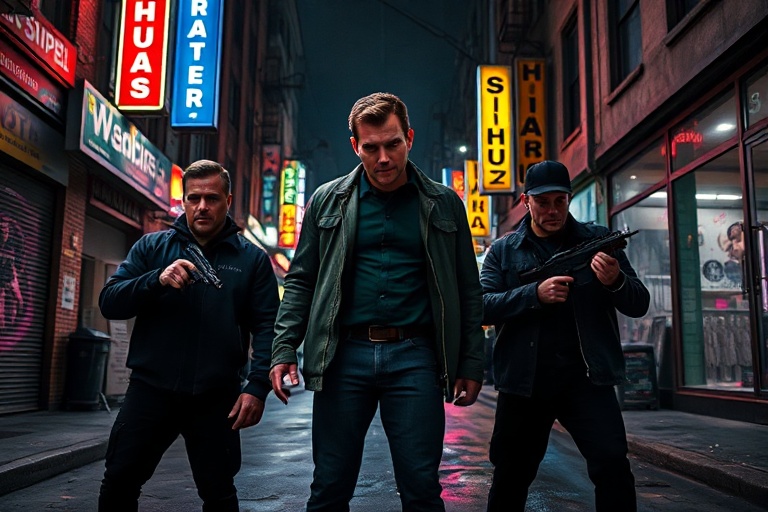
The Boys Cast: Power, Morality, and TV Reinvention
“`html
The Boys Cast: Power, Morality, and the Reinvention of Superhero TV
The Boys has redefined what superhero television can be by blending brutality, satire, and sharp social commentary. At the center of this transformation is an ensemble cast whose performances elevate the show from mere entertainment to a cultural force. Unlike traditional superhero narratives that glorify their protagonists, The Boys dares to expose the corruption lurking beneath the surface of corporate power, celebrity worship, and unchecked authority.
The series, based on the comic by Garth Ennis and Darick Robertson, follows a group of vigilantes—collectively known as “The Boys”—as they take on the seemingly unstoppable superheroes of Vought International. What sets The Boys apart is its willingness to ask uncomfortable questions: What if the heroes we idolize are actually villains? How far would a corporation go to maintain its image? And who gets to decide what justice looks like?
The Core Cast: Heroes, Antiheroes, and Villains
The Boys features a tightly knit cast whose chemistry drives the show’s narrative. Karl Urban stars as Billy Butcher, the ruthless and relentless leader of The Boys. Urban’s portrayal is a masterclass in controlled intensity, balancing rage with dark humor. His chemistry with Antony Starr, who plays Homelander—the most terrifyingly powerful and morally bankrupt superhero—creates some of the show’s most gripping moments.
Jack Quaid brings levity and vulnerability to Hughie Campbell, the reluctant member of The Boys whose life is upended when he loses everything to a speedster gone rogue. His journey from grief to vengeance is both relatable and compelling. Meanwhile, Laz Alonso and Erin Moriarty round out the core team as Mother’s Milk and Starlight, respectively. Moriarty’s Starlight particularly stands out as she navigates the hypocrisy of Vought’s superhero academy while trying to hold onto her ideals.
Supporting the main cast is a roster of actors who bring depth and complexity to their roles, often blurring the line between hero and villain. Jensen Ackles, as Soldier Boy, delivers a performance that is equal parts charismatic and chilling. His return in Season 3 adds a layer of nostalgia and unpredictability to the story. Meanwhile, Chace Crawford, despite his earlier fame on Gossip Girl, has carved out a new identity as the morally ambiguous Kevin Moskowitz, better known as The Deep.
Key Performances That Define The Boys
- Karl Urban as Billy Butcher: A performance defined by raw intensity and dark humor, Urban’s Butcher is both a hero and an antihero whose motivations are as morally ambiguous as they are personal.
- Antony Starr as Homelander: Starr’s portrayal of the most powerful superhero on Earth is nothing short of terrifying. His ability to oscillate between charming and monstrous makes Homelander one of the most complex villains in modern television.
- Erin Moriarty as Starlight: Moriarty’s Starlight is a standout for her emotional range, capturing the struggle of innocence corrupted by power and bureaucracy.
- Jensen Ackles as Soldier Boy: Ackles brings a nostalgic yet sinister energy to the role, making Soldier Boy a wildcard whose alliances and betrayals keep audiences guessing.
- Dominique McElligott as Queen Maeve: McElligott’s portrayal of the aging superhero grappling with her legacy and identity adds a layer of tragic depth to the show.
Behind the Scenes: Chemistry and Collaboration
The success of The Boys is not solely due to its script or direction but also the collaborative spirit among its cast. Showrunner Eric Kripke has emphasized the importance of building trust and camaraderie among the actors, particularly during intense scenes. Urban, Starr, and the rest of the cast have spoken openly about the mutual respect and friendship that developed over the seasons, which translates seamlessly into their on-screen dynamics.
For instance, the relationship between Butcher and Homelander is a masterclass in tension. Their scenes together are charged with a simmering hostility that feels almost too real. Urban and Starr have described their characters as two sides of the same coin—both obsessed with control, power, and vengeance, but through entirely different lenses. This duality is what makes their interactions so compelling.
The chemistry extends beyond the main cast. The supporting actors, including Colby Minifie as Ashley Barrett and Simon Pegg as Hughie’s father, Hugh Campbell Sr., bring additional layers to the story. Pegg’s comedic timing and heartfelt moments provide a counterbalance to the show’s darker themes, reminding audiences that even in a world of superheroes and corporate corruption, humanity still exists.
The Broader Implications: Why The Boys Matters
The Boys is more than just a show about superheroes gone wrong. It is a commentary on modern society, exploring themes of power, corruption, and the consequences of unchecked authority. In an era where celebrity culture often overshadows substance, and corporations wield more influence than governments, The Boys serves as a stark reminder of what happens when power is concentrated in the wrong hands.
The show’s critique of corporate greed is particularly relevant. Vought International, the fictional conglomerate behind the superheroes, mirrors real-world conglomerates that prioritize profit over people. The Boys doesn’t shy away from depicting the human cost of this greed—whether it’s the exploitation of young superheroes like Starlight or the manipulation of public opinion through propaganda and media control.
Moreover, The Boys challenges the traditional hero narrative. In most superhero stories, the protagonists are idealized figures with clear moral compasses. The Boys flips this trope on its head by presenting its “heroes” as flawed, corrupt, and often downright villainous. This subversion forces audiences to question their own perceptions of heroism and morality. Are the characters we root for truly heroes, or are they just the lesser of two evils?
The Boys and the Evolution of Superhero Television
The show’s impact on the superhero genre cannot be overstated. Before The Boys, superhero television was dominated by lighter, more family-friendly fare like Smallville or The Flash. While series like Marvel’s Daredevil and Jessica Jones pushed boundaries with their darker tones, The Boys took the genre to a new level of brutality and social commentary. Its success has paved the way for other shows to explore more complex and morally ambiguous narratives.
The Boys has also influenced the way audiences engage with superhero content. The show’s willingness to tackle controversial topics—such as toxic masculinity, corporate exploitation, and government overreach—has sparked conversations beyond the screen. Fans and critics alike have praised the show for its unflinching honesty, which has resonated in an era where audiences crave authenticity over escapism.
What’s Next for The Boys Cast?
With multiple seasons under its belt and a fourth season confirmed, The Boys continues to evolve. The upcoming seasons promise to delve deeper into the backstories of its characters while introducing new dynamics and conflicts. Fans can expect more surprises, twists, and, of course, brutal confrontations.
For the cast, the future looks bright. Karl Urban has expressed interest in exploring Butcher’s backstory further, while Antony Starr has hinted at potential spin-offs that could expand the show’s universe. Jensen Ackles, who has already made a significant impact as Soldier Boy, may see his role grow even more prominent in future seasons.
As for the broader television landscape, The Boys has set a new standard for what superhero stories can achieve. Its blend of action, satire, and social commentary has inspired other creators to take risks and push boundaries. In a genre often criticized for its formulaic storytelling, The Boys stands out as a bold and unapologetic reimagining of the superhero mythos.
The Boys cast has not only redefined what it means to be a superhero on television but has also redefined the expectations of the audience. In a world where power and corruption often go hand in hand, The Boys reminds us that the true heroes are the ones willing to fight back.