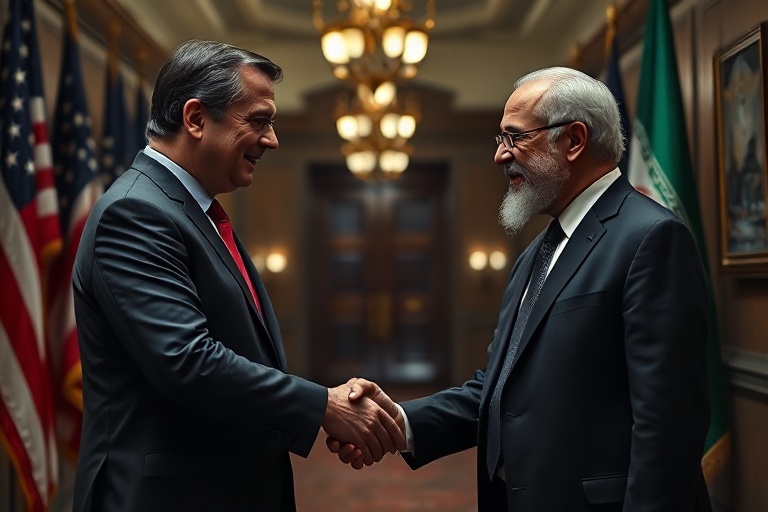
<!DOCTYPE html>
<html lang="en">
<head>
    <meta charset="UTF-8">
    <meta name="viewport" content="width=device-width, initial-scale=1.0">
    <title>US and Iran Relations: Recent Developments and Analysis</title>
</head>
<body>
    <article>
        <h1>US and Iran News: Recent Developments and Their Impact</h1>

        <p>The relationship between the United States and Iran remains one of the most complex geopolitical dynamics in modern history. Tensions have fluctuated between periods of direct confrontation and fragile diplomatic efforts, with each administration in Washington and Tehran shaping the trajectory of this fraught partnership. Recent months have seen renewed attention on this decades-long standoff, driven by shifting regional alliances, evolving nuclear negotiations, and escalating proxy conflicts.</p>

        <p>Understanding the current state of US-Iran relations requires examining multiple layers: the stalled nuclear talks, the shadow war played out through regional proxies, and the shifting domestic priorities in both countries. Each of these elements contributes to a volatile equation that continues to influence global energy markets, security in the Middle East, and international diplomacy.</p>

        <h2>Diplomatic Efforts and Nuclear Negotiations</h2>

        <p>Since the collapse of the 2015 Joint Comprehensive Plan of Action (JCPOA), often referred to as the Iran nuclear deal, efforts to revive the agreement have faced repeated setbacks. The Biden administration entered office with a stated intention to re-enter the deal, provided Iran resumed full compliance with its terms. However, negotiations have stalled repeatedly due to a combination of technical disputes, regional provocations, and political posturing in both capitals.</p>

        <p>In late 2023 and early 2024, indirect talks mediated by Oman and Qatar made limited progress, but no breakthroughs were achieved. Iran continues to enrich uranium to levels far beyond the JCPOA’s limits, citing pressure from US sanctions and regional threats. Meanwhile, the US has maintained a policy of "maximum pressure" through economic sanctions while signaling openness to diplomacy under the right conditions.</p>

        <ul>
            <li><strong>Key sticking points:</strong> Iran demands sanctions relief before scaling back enrichment; the US insists on verifiable compliance and regional de-escalation.</li>
            <li><strong>Regional dynamics:</strong> Saudi Arabia and Israel have both lobbied against any US concessions to Iran, complicating Washington’s room to maneuver.</li>
            <li><strong>Domestic constraints:</strong> In Iran, hardliners oppose any perceived surrender to US demands, while in the US, political polarization limits Biden’s flexibility.</li>
        </ul>

        <p>Analysts warn that without a clear path forward, the risk of miscalculation grows—especially as both sides conduct military exercises and rhetoric intensifies. The JCPOA’s future remains uncertain, but its absence continues to shape the broader regional security architecture.</p>

        <h2>The Shadow War and Regional Proxy Conflicts</h2>

        <p>Beyond the nuclear issue, the US and Iran are engaged in a low-intensity but persistent conflict across the Middle East. This "shadow war" plays out through proxies in Syria, Iraq, Yemen, and Lebanon, where both nations support opposing factions while avoiding direct military confrontation.</p>

        <p>In Iraq, Iranian-backed militias have targeted US military bases and diplomatic facilities, citing retaliation for American support of Israel and opposition to Tehran’s influence. The US has responded with targeted strikes and increased security measures, but the cycle of violence continues. In Syria, Iranian forces and allied militias operate alongside the Assad regime, while US troops remain in the northeast to counter ISIS remnants and limit Iranian expansion.</p>

        <p>The war in Gaza, sparked by the October 7, 2023 attacks by Hamas, has further complicated the regional landscape. Iran’s support for Hamas and Hezbollah has drawn condemnation from Washington, which views these groups as destabilizing forces. The US has bolstered its military presence in the region, deploying aircraft carriers and missile defense systems to deter wider escalation.</p>

        <p>The recent escalation in Red Sea shipping attacks by the Iran-backed Houthi rebels in Yemen underscores how regional crises can spill into global trade routes. The US and its allies have responded with a naval task force to protect commercial vessels, but the situation remains fluid and unpredictable.</p>

        <h2>Domestic Pressures and Leadership Transitions</h2>

        <p>Internal politics in both the US and Iran play a crucial role in shaping foreign policy. In Iran, the 2024 presidential election brought Ebrahim Raisi’s hardline administration to power, signaling a return to more confrontational rhetoric and resistance to Western demands. Raisi’s sudden death in a helicopter crash in May 2024 introduced further uncertainty, as a new president takes office amid economic crisis and widespread public discontent.</p>

        <p>In the United States, the 2024 presidential race has injected additional volatility into the equation. While President Biden has pursued a cautious approach, his Republican opponents have criticized his Iran policy as weak and called for a more aggressive stance. Former President Trump, who withdrew the US from the JCPOA in 2018, has vowed to impose "crippling sanctions" and pursue regime change if re-elected.</p>

        <p>Domestic unrest in Iran—fueled by economic hardship, water shortages, and political repression—has led to periodic protests and a government crackdown. The US has responded by imposing sanctions on Iranian officials and entities linked to human rights abuses. Meanwhile, in Washington, partisan divisions over Iran policy reflect broader debates about America’s role in the Middle East and the effectiveness of sanctions as a tool of statecraft.</p>

        <h2>Economic and Energy Market Implications</h2>

        <p>The ongoing tensions between the US and Iran have far-reaching consequences for global energy markets and economic stability. Iran possesses the world’s fourth-largest oil reserves, and any disruption to its production or exports could send shockwaves through international markets. Despite US sanctions, Iran has managed to export oil through clandestine networks, often at discounted prices, to countries like China, Syria, and Venezuela.</p>

        <p>The Biden administration has granted limited waivers to some buyers, but enforcement remains inconsistent. Meanwhile, Iran’s oil exports have risen to pre-2018 levels in some months, complicating US efforts to isolate Tehran economically. This dynamic has contributed to volatility in global oil prices, particularly as geopolitical risks in the Middle East intersect with OPEC+ production decisions.</p>

        <p>Beyond oil, sanctions have also targeted Iran’s financial sector, banking, and technology industries. The impact on ordinary Iranians has been severe, with inflation exceeding 50% in some periods and currency devaluation eroding purchasing power. The US has justified these measures as necessary to curb Iran’s nuclear ambitions and regional aggression, but critics argue they disproportionately harm civilians and fuel resentment toward America.</p>

        <p>For businesses and investors, the US-Iran standoff creates a complex risk environment. Companies operating in the Middle East must navigate a maze of sanctions, secondary penalties, and shifting compliance requirements. The uncertainty has led some firms to exit the Iranian market entirely, while others seek creative ways to engage without running afoul of US regulations.</p>

        <h2>Conclusion: A Fragile Standoff with No Clear Resolution</h2>

        <p>The US-Iran relationship remains locked in a cycle of tension and mistrust, with no immediate prospect of a comprehensive resolution. Diplomatic efforts to revive the nuclear deal have stalled, regional proxy conflicts continue unabated, and domestic pressures in both countries limit the scope for compromise. The shadow war shows no signs of abating, and economic pressures on both sides are mounting.</p>

        <p>For now, the standoff persists—a fragile equilibrium maintained through deterrence, economic pressure, and periodic backchannel diplomacy. The risk of miscalculation, however, remains ever-present. Whether through a revived nuclear accord, a negotiated de-escalation in regional conflicts, or a sudden crisis, the trajectory of US-Iran relations will continue to shape the Middle East and beyond for years to come.</p>

        <p>As both nations navigate internal challenges and external pressures, the international community watches closely. The stakes are high: regional stability, global energy security, and the credibility of international non-proliferation efforts all hang in the balance. For policymakers, analysts, and citizens alike, understanding this complex relationship is not just an academic exercise—it is a necessity for navigating a rapidly changing world.</p>
    </article>

    <!-- Metadata Section -->