Beauvais: France’s Underrated City of Gothic Splendor and Culture
“`html
Beauvais: France’s Hidden Gem Beyond the Eiffel Tower
When travelers think of France, Paris often dominates the itinerary with its iconic landmarks like the Eiffel Tower and Louvre. Yet, just 80 kilometers north of the capital lies Beauvais, a city that offers a quieter, yet equally rich, slice of French history, culture, and architectural brilliance. Known for its stunning Gothic cathedral and vibrant local traditions, Beauvais is a destination that rewards those who venture off the beaten path.
Unlike the bustling streets of Paris, Beauvais unfolds at a leisurely pace, allowing visitors to immerse themselves in its medieval charm and contemporary creativity. The city’s compact size makes it easy to explore on foot, with each cobblestone street and hidden square telling a story of resilience and artistic evolution. From its world-renowned tapestry museum to its lively markets, Beauvais is a microcosm of France’s diverse cultural landscape.
The Cathedral of Saint-Pierre de Beauvais: A Triumph of Ambition and Failure
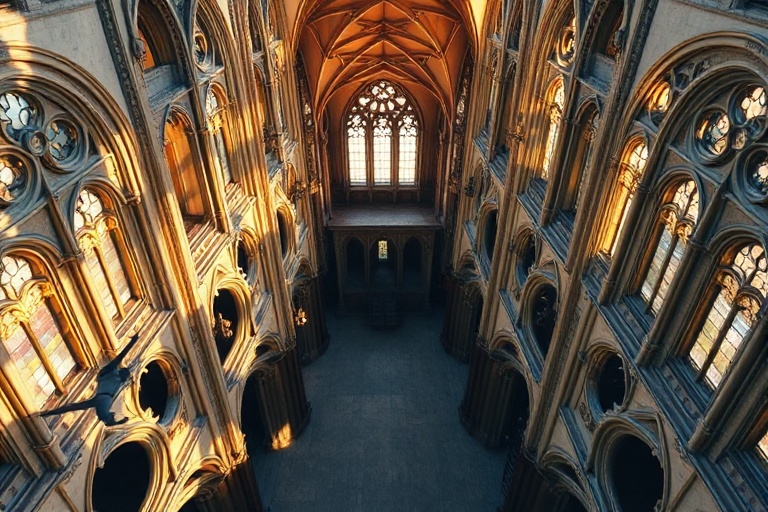
The crown jewel of Beauvais is undoubtedly the Cathedral of Saint-Pierre de Beauvais. Begun in the 13th century, this Gothic masterpiece was intended to be the tallest cathedral in the world—a goal that ultimately proved unattainable, though not for lack of ambition. The cathedral’s choir vaults soar to an astonishing 48 meters, making them the highest in Europe, a feat that still leaves architects and historians in awe.
Yet, the cathedral’s history is as dramatic as its architecture. Construction halted multiple times due to structural collapses and financial constraints, leaving the nave unfinished. Today, the cathedral stands as a hauntingly beautiful ruin, its skeletal remains a testament to both human ingenuity and the limits of medieval engineering. The annual Son et Lumière (sound and light) show transforms the cathedral’s façade into a canvas of color and music, bringing its storied past to life for modern audiences.
Visitors to the cathedral can also explore the adjacent Musee de l’Oise, which houses an impressive collection of regional art and artifacts. The museum’s exhibits range from prehistoric tools to contemporary paintings, offering a comprehensive journey through the cultural evolution of northern France.
Beauvais Through the Ages: A Tapestry of History and Culture
Beauvais has been a cultural crossroads for centuries. Founded by the Romans as Caesaromagus, the city later became a key player in the textile trade during the Middle Ages. Its reputation for fine wool and tapestries grew so strong that King Louis XIV established the Manufacture Royale de Beauvais in 1664, a royal tapestry workshop that produced some of the most intricate and luxurious textiles of the era.
The Musee de la Tapisserie preserves this legacy, showcasing over 300 years of tapestry artistry. The museum’s collection includes designs by renowned artists like Jean-Baptiste Oudry and François Boucher, whose work adorned the palaces of Versailles. These tapestries are not merely decorative; they are historical documents, weaving narratives of politics, mythology, and daily life from the 17th to the 19th centuries.
Beyond its medieval and royal history, Beauvais played a significant role during both World Wars. The city’s strategic location made it a target for bombing raids, and its reconstruction in the mid-20th century reflects the resilience of its people. Today, remnants of wartime bunkers and memorials serve as poignant reminders of the city’s struggles and triumphs.
The Modern Pulse: Markets, Cuisine, and Local Life
While Beauvais is steeped in history, it is far from a relic. The city’s daily life revolves around its bustling markets, where locals and visitors alike can sample fresh produce, artisanal cheeses, and regional specialties. The Marché de Beauvais, held on Wednesdays and Saturdays, is a sensory feast, with stalls overflowing with Normandy cider, Picardy sausages, and macarons unique to the region.
Food is a cornerstone of Beauvais’ identity. The city’s cuisine reflects its agricultural roots and proximity to the sea. Dishes like ficelle picarde—a delicate pancake rolled around ham and cheese—and tarte au maroilles—a savory tart made with pungent local cheese—are staples in local restaurants. For those with a sweet tooth, the gaufres fourrées (stuffed waffles) sold by street vendors are a must-try.
The city’s cultural scene is equally vibrant. Beauvais’ Théâtre Impérial, a stunning Second Empire-style theater, hosts everything from classical concerts to contemporary performances. Meanwhile, the Festival du Film de Beauvais, an annual cinema event, draws filmmakers and cinephiles from across France, cementing the city’s reputation as a hub for the arts.
Why Beauvais Matters: A Global Perspective
In an age where mass tourism often flattens cultural diversity, Beauvais stands out as a city that embraces its uniqueness. Its ability to preserve its heritage while fostering modern creativity makes it a model for sustainable tourism. Unlike more commercialized destinations, Beauvais offers an authentic experience—one where visitors can engage with history not as spectators, but as participants.
The city’s global significance extends beyond its borders. Beauvais is home to Paris-Beauvais Airport, a key gateway for budget airlines connecting northern Europe to destinations across the continent. This accessibility has made Beauvais an unexpected entry point for travelers eager to explore France beyond the usual tourist trail.
Moreover, Beauvais’ story resonates with broader themes of resilience and reinvention. From its architectural failures to its wartime scars, the city has repeatedly reinvented itself without losing its soul. This narrative is particularly relevant today, as cities worldwide grapple with the challenges of preservation and progress.
Planning Your Visit to Beauvais
For those inspired to visit, Beauvais is easy to reach and explore. Here’s a quick guide to making the most of your trip:
- Getting There: Beauvais is accessible via train from Paris (about 1.5 hours from Gare du Nord) or by bus from Paris-Beauvais Airport, which is served by Ryanair and other budget airlines.
- Where to Stay: Opt for a boutique hotel like Hotel de Londres for a touch of elegance, or choose a cozy guesthouse in the city center for a more intimate experience.
- Must-See Attractions:
- Cathedral of Saint-Pierre de Beauvais
- Musee de l’Oise
- Musee de la Tapisserie
- Théâtre Impérial
- Parc du Château de Beauvais
- Local Tips: Visit on a weekend to experience the markets. If your schedule aligns, catch the Son et Lumière show at the cathedral for a mesmerizing evening experience.
A City That Defies Expectations
Beauvais is a reminder that the most compelling travel experiences often lie not in the spotlight, but in the shadows of the familiar. It is a city where history is not confined to museums but woven into the fabric of daily life. Where art is not just admired but lived. Where every corner offers a new story, a new flavor, a new perspective.
For those willing to step off the well-trodden path, Beauvais delivers an unforgettable journey—one that lingers long after the last train back to Paris has departed.
—