Beauvais: France’s Hidden Gem Beyond the Tourist Trail
Tucked in the Picardy region of northern France, Beauvais is a city often overlooked by travelers rushing between Paris and the coastal resorts of Normandy. Yet for those willing to pause, this unassuming town reveals layers of history, art, and local culture that define the authentic French experience. Unlike its more famous neighbors, Beauvais thrives on quiet charm rather than crowds—a place where Gothic grandeur meets everyday life.
The city sits 75 kilometers north of Paris, accessible by train in under an hour. Its compact center is walkable, with cobblestone streets that curve around medieval buildings and lively markets. Beauvais may lack the iconic landmarks of Lyon or Bordeaux, but it compensates with a raw, unfiltered slice of northern French identity, where tradition and modernity coexist with surprising ease.
A Cathedral That Defies Gravity—and Time
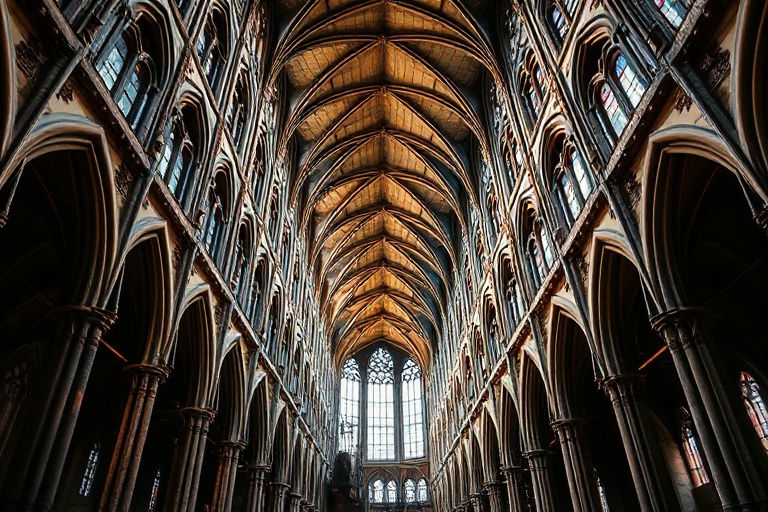
At the heart of Beauvais stands one of the most audacious architectural achievements of the Middle Ages: the Cathédrale Saint-Pierre de Beauvais. Begun in the 13th century, it was intended to be the tallest cathedral in the world, a towering testament to human ambition. Today, its incomplete nave and soaring choir vaults—reaching 48 meters—still inspire awe, even in ruin. The structure is a marvel of Gothic engineering, pushing the limits of medieval construction.
What makes Saint-Pierre truly unique is its fragility. The cathedral has collapsed multiple times—most dramatically in 1284, just decades after completion—due to its daring verticality. Yet each time, the people of Beauvais rebuilt it, not out of obligation, but devotion. Today, the cathedral’s remains host the cultural highlight of the city: the annual Chant de Beauvais, a series of evening concerts held in its skeletal nave, where the acoustics echo through the stone like a whisper from the past.
The cathedral also serves as a gateway to understanding Beauvais’ role in medieval Europe. Unlike Paris’ Notre-Dame or Reims’ cathedral, Saint-Pierre was never meant to be a royal or episcopal seat. Instead, it was a labor of love by the local community, a symbol of civic pride. This distinction makes it a powerful reminder that great art and architecture often emerge from collective will, not just royal decree.
The Tapestry Legacy: Art in Threads
Few cities can claim a textile tradition as rich as Beauvais. Since the 17th century, the Manufacture de Beauvais has produced some of the world’s most exquisite tapestries, blending Baroque opulence with narrative depth. These woven masterpieces once adorned the palaces of Louis XIV and were prized across Europe. Today, the French government preserves this heritage at the Musée de l’Oise, which houses both historical and contemporary tapestries.
The museum’s collection includes works like The Story of Psyche, a 17th-century tapestry series designed by Charles Le Brun, the same artist behind Versailles’ Hall of Mirrors. The craftsmanship is staggering—each piece can take years to complete, with weavers working in teams to render intricate scenes in wool, silk, and gold thread.
What’s less known is that Beauvais’ tapestry tradition helped shape global textile culture. In the 18th century, the city’s artisans trained workers who later established tapestry workshops in Spain and Italy. Even today, the Manufacture Nationale de Beauvais employs traditional techniques, though only on a small scale. Visitors can watch demonstrations and even purchase limited-edition pieces, ensuring this centuries-old art form endures.
A Culinary Crossroads: Where Flanders Meets Normandy
Beauvais’ location at the intersection of historical regions has shaped its cuisine into something uniquely its own. The city sits between the dairy-rich pastures of Normandy and the beer-brewing traditions of Flanders, resulting in a food culture that balances creaminess with tang, heartiness with subtlety. Dishes here often feature local ingredients like maroilles cheese, a pungent, washed-rind cheese that divides opinion but defines the region’s bold flavors.
One dish that locals swear by is carbonade flamande, a slow-cooked beef and onion stew made with dark beer and juniper berries. It’s a hearty meal perfect for the region’s damp, cool climate. Another must-try is ficelle picarde, a savory crêpe rolled with ham, mushrooms, and creamy béchamel, then gratinéed until golden. This dish is a testament to Beauvais’ ability to transform simple ingredients into something memorable.
The city’s markets are the best place to experience this culinary identity. The Marché de Beauvais, held three times a week, overflows with seasonal produce, fresh cheeses, and artisanal bread. It’s a microcosm of northern French food culture—less about presentation, more about authenticity. For visitors, it offers a chance to eat like a local, far from the tourist menus of Paris.
Beauvais in the Modern World: Challenges and Reinvention
Like many post-industrial towns in France, Beauvais faces economic pressures. Its textile and tapestry industries, once the backbone of the local economy, have declined due to globalization. The closure of major factories in the late 20th century left scars, but it also created space for reinvention. Today, the city is positioning itself as a cultural and creative hub, leveraging its architectural heritage and artisanal traditions.
One initiative leading this charge is the Festival du Film de Beauvais, an annual cinema event that attracts independent filmmakers and cinephiles from across Europe. The festival, now in its third decade, has become a platform for emerging talent and a draw for international visitors. It’s a reminder that culture can be a lifeline for struggling cities.
Beauvais is also embracing sustainable tourism. The city has invested in cycling infrastructure and eco-friendly accommodations, appealing to travelers seeking authentic experiences without the carbon footprint. Its proximity to the Paris metropolitan area makes it an ideal day-trip destination for environmentally conscious visitors.
Why Beauvais Matters in the Global Context
In an era where mass tourism threatens to homogenize cities, Beauvais stands as a counterpoint—a place where history is not just preserved, but lived. It challenges the idea that travel must center on icons like the Eiffel Tower or Louvre. Instead, it offers a slower, deeper engagement with culture, where every street corner tells a story and every meal is an invitation to understand a region’s soul.
The city’s story is one of resilience. From its failed cathedral to its fading textile trade, Beauvais has repeatedly rebuilt itself, not by erasing the past, but by reinterpreting it. In doing so, it reflects a broader truth about Europe: that the continent’s true character lies not in its most famous landmarks, but in the quiet towns where tradition and innovation coexist.
For travelers willing to venture off the beaten path, Beauvais delivers more than postcard views—it offers a glimpse into the soul of northern France. And in a world that often prioritizes speed over depth, that’s a rare and precious gift.