Hawaii Earthquakes: Risks, Recent Activity and How to Stay Safe
“`html
Earthquake Hawaii: Understanding the Risks and Recent Activity
Hawaii’s volcanic landscape creates a unique seismic environment where earthquakes are both common and potentially destructive. The islands sit atop the Pacific Plate, which grinds against other tectonic plates, generating frequent tremors. While most quakes are minor, stronger ones can pose serious risks to infrastructure and residents. Understanding Hawaii’s earthquake patterns helps communities prepare and respond effectively.
Why Hawaii Experiences Frequent Earthquakes
Hawaii’s seismic activity stems from its volcanic origins and tectonic setting. The islands formed over a hotspot where magma rises through the Earth’s crust, creating volcanoes like Kīlauea and Mauna Loa. As magma moves beneath the surface, it fractures rock, triggering earthquakes. Additionally, the Pacific Plate’s movement along the Hawaiian Ridge generates stress that releases as tremors.
Most earthquakes in Hawaii occur on the Big Island, where volcanic activity is most intense. However, quakes can be felt across the state, sometimes even on more distant islands. The USGS Hawaiian Volcano Observatory (HVO) monitors these events closely, providing real-time data to help assess risks.
Types of Earthquakes in Hawaii
- Volcanic earthquakes: Caused by magma movement, often shallow and frequent.
- Tectonic earthquakes: Result from plate interactions, usually deeper and more powerful.
- Aftershocks: Follow larger quakes, sometimes persisting for weeks or months.
While most Hawaiian earthquakes are minor, history shows the potential for devastating events. The 1868 Kaʻū earthquake, estimated at magnitude 7.9, remains one of the strongest in state history. More recently, the 2018 Kīlauea eruption triggered thousands of quakes, including a 6.9-magnitude event—the strongest in over 40 years.
Recent Earthquake Activity and Its Impact
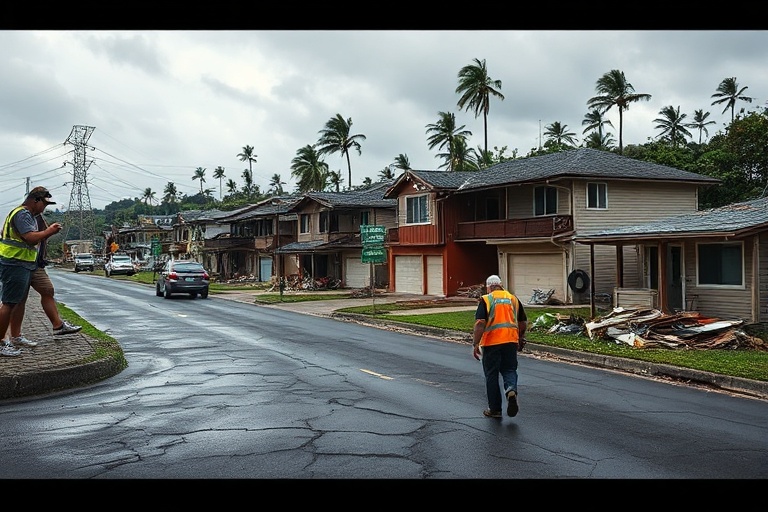
In 2023 and early 2024, Hawaii experienced several notable seismic events. In October 2023, a magnitude 5.0 quake near Pāhala on the Big Island caused minor damage and was felt across the state. Authorities reported power outages and cracked roads, though no injuries occurred. Such incidents highlight the need for preparedness, even for moderate tremors.
The HVO recorded over 5,000 earthquakes in 2023, most linked to volcanic activity. While most were too small to feel, they underscore the ongoing geological unrest. Residents and visitors should remain aware of emergency protocols, including safety measures for earthquake response.
Infrastructure and Response Efforts
Hawaii’s infrastructure is designed to withstand frequent shaking, but older buildings and critical systems remain vulnerable. After the 2018 quakes, officials reinforced bridges and utility networks to improve resilience. Emergency services also conduct regular drills to ensure rapid response during major events.
Tourism-dependent areas, like Waikīkī, have implemented stricter building codes to protect hotels and attractions. Meanwhile, the HVO’s early warning system helps alert residents before strong tremors hit, reducing injury risks.
How to Prepare for an Earthquake in Hawaii
Preparation is key to minimizing risks in earthquake-prone regions. Hawaii’s emergency management agency recommends creating a disaster supply kit with water, food, and first-aid supplies. Residents should also secure heavy furniture and identify safe spots in homes, such as under sturdy tables.
For visitors, familiarizing themselves with local emergency procedures is essential. Hotels often provide safety guidelines, and the Hawaii Tourism Authority offers resources for staying safe during seismic events.
Steps to Take During an Earthquake
- Drop, cover, and hold on: Protect yourself from falling debris by getting low and covering your head.
- Stay indoors: Avoid exiting buildings during shaking, as exterior areas may be hazardous.
- Wait for instructions: After tremors stop, follow local emergency alerts for updates.
- Check for damage: Inspect gas lines, electrical systems, and water connections for leaks or hazards.
Community awareness plays a vital role in earthquake readiness. Schools, businesses, and neighborhoods should participate in drills and review evacuation routes. Social media and local news outlets also provide real-time updates during seismic activity.
Long-Term Seismic Risks and Monitoring
Scientists warn that Hawaii’s earthquake risks will persist as long as volcanic activity continues. The Kīlauea and Mauna Loa volcanoes remain active, with periodic eruptions increasing seismic hazards. The USGS and HVO collaborate to model future risks, but predicting exact timing remains challenging.
Advances in technology, such as AI-driven seismic monitoring, are improving early detection. These tools help authorities issue warnings faster, potentially saving lives. However, public education remains the most critical factor in reducing earthquake-related harm.
For those living in or visiting Hawaii, staying informed about seismic risks is a necessity. By understanding the science behind earthquakes and preparing accordingly, communities can build resilience against future events.
Conclusion
Hawaii’s earthquakes are an inevitable part of life on the islands, shaped by volcanic and tectonic forces. While most tremors are minor, the potential for stronger quakes demands vigilance and preparation. Residents and visitors must prioritize safety measures, from securing homes to following emergency protocols.
With ongoing monitoring and community efforts, Hawaii can mitigate risks and respond effectively to seismic activity. By staying informed and prepared, the islands can continue to thrive despite their dynamic geological environment.