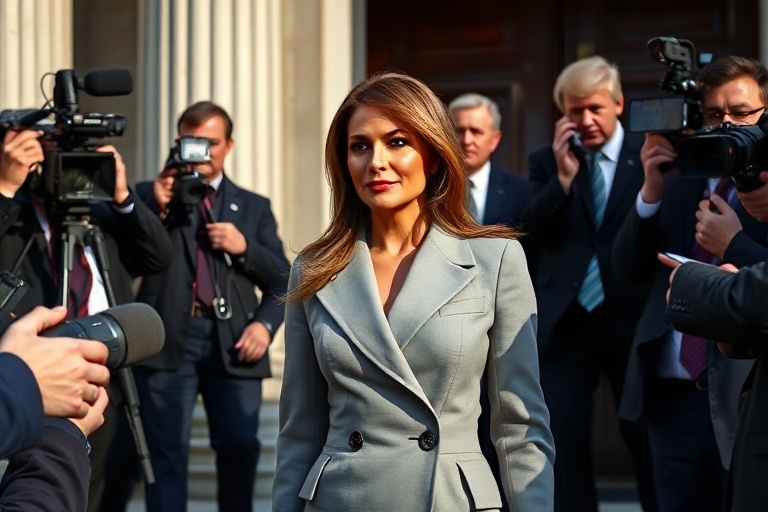
Melania Trump Sues Michael Wolff Over Defamatory Book Claims
“`html
Michael Wolff Sued by Melania Trump Over Allegations in New Book
Michael Wolff, the journalist known for his bestselling books on the Trump administration, now faces legal action from former First Lady Melania Trump. The lawsuit centers on allegations published in Wolff’s most recent work, which Trump claims are defamatory and damaging to her reputation. Legal experts suggest this case could set a precedent for how journalists handle sensitive personal claims about public figures.
The lawsuit was filed in a New York state court, where Trump’s legal team argues that Wolff’s book contains false statements that have caused emotional distress and harm to her public standing. This is not the first time Wolff has faced criticism for his reporting, but the legal escalation marks a significant turn in the dispute.
The Core Allegations in Wolff’s Book
Wolff’s latest book, titled Landslide: The Final Days of the Trump Presidency, includes claims about Melania Trump’s alleged involvement in events surrounding the January 6 Capitol riot. Specifically, the book suggests that she privately supported certain actions taken by her husband, Donald Trump, during that period. These claims have been strongly denied by her representatives.
According to court documents, the lawsuit argues that Wolff’s reporting is based on unreliable sources and contains factual inaccuracies. Trump’s legal team has requested a retraction of the statements and monetary damages for reputational harm. Legal analysts note that defamation cases involving public figures require proving actual malice, a high legal bar that could make this lawsuit challenging to win.
- January 6 Capitol riot claims: Wolff alleges Melania Trump had private sympathies for certain actions during the riot.
- Defamation and reputational harm: Trump’s legal team argues the book’s claims are false and damaging.
- Request for retraction: The lawsuit demands Wolff correct the record and remove the alleged defamatory statements.
Legal Precedents and Challenges Ahead
Defamation lawsuits involving public figures are notoriously difficult to win in the United States due to the First Amendment protections for journalists. The New York Times Co. v. Sullivan case established the “actual malice” standard, meaning plaintiffs must prove the publisher knew the statements were false or acted with reckless disregard for the truth. This precedent will likely play a key role in the outcome of Trump’s lawsuit.
Legal experts suggest that Trump’s legal team may face challenges in proving actual malice, particularly if Wolff relied on sources he believed were credible at the time. However, if the court finds that Wolff’s reporting was negligent or reckless, the case could take a different turn. The lawsuit also raises broader questions about the responsibilities of journalists when publishing claims about high-profile individuals.
Another complicating factor is the timing of the lawsuit. Melania Trump has historically been cautious about engaging in legal battles, preferring to maintain a low public profile. Her decision to pursue legal action now may signal a shift in strategy or a response to what her team views as particularly egregious claims in Wolff’s book.
Public and Media Reactions to the Lawsuit
The lawsuit has sparked mixed reactions in media and political circles. Supporters of Melania Trump argue that she has a right to protect her reputation, especially when faced with what they describe as baseless claims. Critics, however, question whether this legal action could be seen as an attempt to silence legitimate journalistic inquiry.
Some media analysts have pointed out that Wolff’s books, while controversial, have often sparked broader public discussions about the Trump administration. This lawsuit could further polarize opinions about the role of investigative journalism versus the rights of individuals to control their public narratives. The outcome may influence how future journalists approach sensitive topics involving public figures.
On social media, reactions have ranged from support for Trump’s legal stance to criticism of her decision to engage in litigation. The case has also drawn comparisons to other high-profile defamation lawsuits, such as those involving Stormy Daniels and Donald Trump, which often become as much about public perception as they are about legal outcomes.
What’s Next in the Legal Battle
As the lawsuit proceeds, both sides will likely engage in pre-trial motions and discovery processes. Trump’s legal team may seek to depose Wolff and his sources to gather evidence supporting their claims of defamation. Wolff’s defense will likely focus on the credibility of his sources and the journalistic process behind the book’s claims.
The case could take months or even years to resolve, depending on the legal strategies employed by both sides. If the lawsuit proceeds to trial, it may attract significant media attention, further amplifying the debate over journalistic ethics and the boundaries of free speech.
Regardless of the outcome, this legal battle underscores the tensions between journalism, public figures, and the legal system. It also highlights the challenges faced by authors who push the boundaries of conventional reporting to uncover new information about powerful individuals.
For now, Melania Trump’s legal team has not specified the monetary damages sought, but the request for a public retraction suggests a broader goal of correcting the record. The case will be closely watched by journalists, legal experts, and the public alike, as it could set important precedents for future disputes involving media and public figures.
For more insights into media law and journalism ethics, visit our News section. To explore other high-profile legal battles, check out our Analysis category.
Conclusion
The lawsuit between Melania Trump and Michael Wolff represents more than just a legal dispute—it reflects deeper questions about journalism, reputation, and the limits of free speech. As the case unfolds, it will likely spark further debate about the responsibilities of authors and the rights of public figures to challenge misleading claims. Whether the lawsuit succeeds or fails, its impact on media and legal landscapes will be significant, shaping future discussions about the boundaries of investigative reporting.