Mississippi Tornadoes: Nature’s Unpredictable Fury Explained
“`html
Mississippi Tornadoes: Nature’s Unpredictable Fury
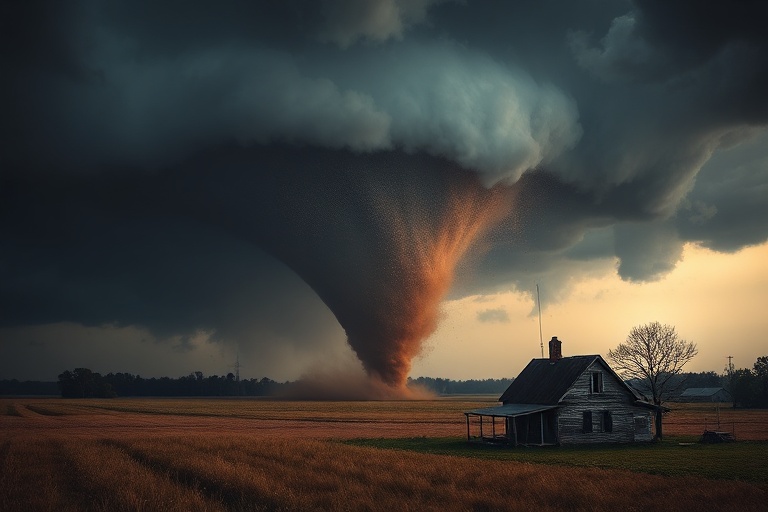
Tornadoes in Mississippi are more than just meteorological events—they are powerful reminders of nature’s raw unpredictability. The Magnolia State, located in the heart of the American South, sits squarely within Tornado Alley’s extended reach. Its flat terrain and warm, moist air from the Gulf of Mexico create a volatile mix that fuels frequent and often devastating twisters. These storms do not discriminate; they reshape communities, alter lives, and leave scars that last for generations.
From the Delta’s fertile fields to the pine forests of the north, Mississippi experiences tornado activity year-round, though peaks occur in spring and fall. The state’s history is marked by some of the deadliest tornado outbreaks in U.S. history, including the 1936 Tupelo tornado, which remains one of the deadliest in American records. Understanding the pattern, impact, and cultural response to these storms offers a window into both the resilience of Mississippians and the evolving science of weather prediction.
The Science Behind Mississippi Tornadoes
Tornadoes form when contrasting air masses collide—cold, dry air from the north meets warm, moist air from the tropics. In Mississippi, this clash is especially pronounced due to the state’s proximity to the Gulf of Mexico, which acts as a year-round moisture source. The National Oceanic and Atmospheric Administration (NOAA) classifies Mississippi as part of “Dixie Alley,” a region prone to particularly strong and long-track tornadoes, often occurring at night when residents are asleep.
Tornado intensity is measured using the Enhanced Fujita (EF) scale, ranging from EF-0 (minor damage) to EF-5 (catastrophic destruction). Mississippi has experienced multiple EF-4 and EF-5 tornadoes, with wind speeds exceeding 200 mph. These storms can remain on the ground for miles, tearing through rural towns and urban fringes alike. Radar technology, including Doppler and dual-polarization systems, has improved warning times, but the short lead windows—sometimes less than 15 minutes—still pose challenges for emergency responders.
The state’s topography, though largely flat, can amplify tornado effects. In valleys and along river basins, wind funnels can intensify, increasing destruction. Research from the University of Mississippi’s Center for Advanced Public Safety shows that Mississippi leads the nation in nocturnal tornadoes, a factor that significantly raises fatality rates due to reduced visibility and delayed warnings.
The Human Impact: Stories of Survival and Loss
Behind every storm track lies a human story. In April 2011, a historic outbreak spawned 62 tornadoes across Mississippi in a single 24-hour period, killing 31 people and injuring hundreds more. The Smithville EF-5 tornado, with winds over 205 mph, leveled entire city blocks, including the town’s water tower. Residents like 72-year-old Mary Henson survived by sheltering in a bathtub under a mattress, a common yet desperate tactic in rural areas lacking basements.
Urban centers are not immune. In 2020, a tornado tore through the Jackson metro area, damaging homes, schools, and businesses. The storm disrupted power for over 50,000 customers and forced the temporary closure of the state’s largest hospital. Recovery efforts revealed deep socioeconomic divides: wealthier neighborhoods rebuilt faster, while low-income communities struggled with insurance disputes and housing insecurity.
Cultural identity in Mississippi is deeply tied to place. Tornadoes disrupt not just physical structures but also community memory. Annual memorial services, such as those in Yazoo City after the 2010 EF-3 tornado, become acts of collective healing. Storytelling, music, and church gatherings help residents process trauma and rebuild hope.
- Rural resilience: Many farming communities rely on oral histories and local radio for warnings. Sirens are rare outside cities, so neighbors often alert one another via word of mouth.
- Urban vulnerability: Despite better infrastructure, cities face higher population density and complex evacuation routes, increasing risk during rapid-onset storms.
- Faith and fatalism: Some Mississippians describe tornadoes as “God’s will,” blending religious belief with practical preparedness measures like storm shelters.
Climate Change and the Future of Storms
As global temperatures rise, scientists warn that the frequency and intensity of severe weather—including tornadoes—may increase across the Southeast. A 2021 study published in Climate Dynamics suggests that warmer Gulf waters could intensify the moisture supply feeding storms in Mississippi and neighboring states. While a direct causal link between climate change and tornado frequency remains under debate, the correlation with stronger thunderstorm environments is growing clearer.
Mississippi’s emergency management agencies are adapting. The state has invested in storm shelters, including retrofitting public schools and community centers. The Mississippi Emergency Management Agency (MEMA) now partners with the National Weather Service to provide multilingual alerts, recognizing the diversity of its population, including large Vietnamese and Latino communities in the Delta.
Innovations in AI-driven forecasting are also emerging. Projects like NOAA’s Warn-on-Forecast System aim to predict tornado formation at the neighborhood level, potentially extending warning times to 60 minutes or more. For a state where sirens sound and radios crackle with urgency, every extra minute counts.
Cultural Echoes: How Mississippi Tornadoes Shape Identity
Tornadoes have seeped into Mississippi’s cultural fabric. Blues musicians like Robert Johnson and Muddy Waters referenced storms in their lyrics, using natural disasters as metaphors for hardship and survival. Today, artists in Jackson and Oxford use murals and public art to memorialize lost communities, turning grief into visual storytelling.
Even tourism reflects this duality. The Mississippi Blues Trail includes markers near sites hit by historic tornadoes, blending cultural heritage with natural history. Visitors can tour the “Tornado Trail” in Smithville or attend the annual “Tupelo Tornado Festival,” which combines education with commemoration.
Sports culture, too, has been shaped by storms. The University of Mississippi’s football stadium in Oxford has hosted games postponed due to tornado warnings, a reminder that even entertainment pauses when the sky turns green. Local legends tell of high school football teams resuming play days after a tornado, symbolizing resilience in the face of adversity.
Mississippi’s relationship with tornadoes is one of contradiction: fear and fascination, destruction and renewal. The storms are unavoidable, but the response—whether through engineering, art, or community action—demonstrates the state’s enduring spirit. As climate patterns shift and populations grow, the lessons learned in Mississippi may resonate far beyond its borders.
“In Mississippi, the wind doesn’t just blow—it howls with memory. Every storm carries the weight of those who came before, but also the hope of those who rebuild.” — Dr. Lena Carter, Sociologist, Jackson State University
For those interested in disaster preparedness, resources are available through the U.S. Department of Homeland Security and local agencies like MEMA. Communities across the state continue to innovate, turning tragedy into opportunity and loss into legacy.