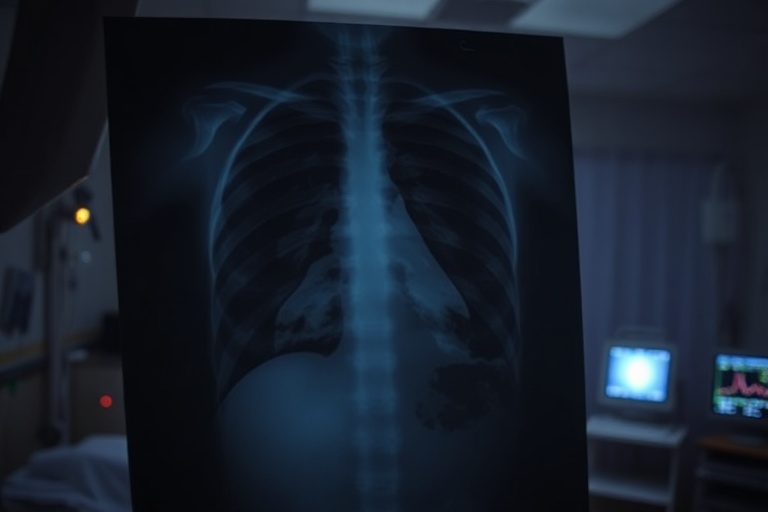
Pneumonia is often seen as a localized infection—something that affects the lungs and can be treated with antibiotics and rest. But when the immune system fails to contain the infection, the situation can spiral into sepsis, a life-threatening condition that requires immediate medical intervention. Understanding how pneumonia transitions into sepsis is critical for both patients and healthcare providers, as early recognition can mean the difference between recovery and severe complications.
The Progression: How Pneumonia Morphs Into Sepsis
Pneumonia begins when bacteria, viruses, or fungi invade the alveoli in the lungs, causing inflammation and fluid buildup. In most cases, the body’s immune response controls the infection before it spreads. However, when the pathogen overwhelms the lungs or the immune system is compromised, the infection can breach the lung tissue and enter the bloodstream. This is where the transition to sepsis begins.
Once in the blood, the infection triggers a systemic inflammatory response. The body releases chemicals to fight the infection, but these chemicals can also damage organs and tissues. This leads to symptoms like fever, rapid heart rate, and confusion—classic signs of sepsis. Without treatment, sepsis can progress to septic shock, where blood pressure drops dangerously low, cutting off oxygen to vital organs.
Several factors increase the risk of pneumonia escalating into sepsis:
- Delayed treatment: Waiting too long to seek medical care allows the infection to worsen.
- Weakened immune systems: Conditions like HIV, chemotherapy, or chronic illnesses reduce the body’s ability to fight infection.
- Advanced age: Older adults are more susceptible to severe infections due to weaker immune responses.
- Underlying health conditions: Diabetes, heart disease, and lung disease can make it harder to recover from pneumonia.
Recognizing the Warning Signs
Sepsis doesn’t announce itself with a single symptom. Instead, it presents a cluster of warning signs that often overlap with pneumonia and other illnesses. Recognizing these red flags early is crucial. The Health section on Dave’s Locker offers resources on identifying symptoms and when to seek help.
Key indicators that pneumonia may be progressing into sepsis include:
- Worsening symptoms: If fever, cough, or shortness of breath intensify despite treatment, the infection may be spreading.
- Confusion or disorientation: Sepsis often causes cognitive changes, including difficulty concentrating or acting unusually.
- Extreme fatigue: Feeling unusually weak or unable to stay awake can signal systemic infection.
- Rapid breathing or heart rate: A respiratory rate above 20 breaths per minute or a heart rate exceeding 90 beats per minute warrants immediate attention.
- Low blood pressure: A drop in blood pressure can indicate septic shock, a medical emergency.
Patients and caregivers should treat these signs as urgent. Sepsis progresses quickly, and every hour without treatment increases the risk of organ failure or death.
The Medical Response: Treatment and Challenges
When sepsis is suspected, doctors act fast. The standard approach involves antibiotics, fluids, and sometimes oxygen therapy to stabilize the patient. In severe cases, hospitalization in an intensive care unit (ICU) may be necessary. Antibiotics are administered intravenously, often before the specific pathogen is identified, to prevent further bacterial spread.
However, treatment isn’t always straightforward. Some bacteria have developed resistance to common antibiotics, making infections harder to control. This is particularly concerning for patients with pneumonia caused by Staphylococcus aureus or Pseudomonas aeruginosa, both of which can lead to aggressive sepsis.
Another challenge is the variability in sepsis symptoms. Unlike pneumonia, which often presents with clear respiratory signs, sepsis can mimic other conditions, delaying diagnosis. This is why healthcare providers rely on scoring systems like the Sequential Organ Failure Assessment (SOFA) to assess severity and guide treatment.
The financial burden of sepsis treatment is also significant. Patients may require weeks in the ICU, multiple medications, and long-term rehabilitation. According to the News desk on Dave’s Locker, sepsis accounts for billions in healthcare costs annually, straining hospital resources and highlighting the need for better preventive strategies.
Prevention and Public Health Implications
While sepsis from pneumonia is a serious risk, it’s not inevitable. Vaccination remains one of the most effective defenses. The pneumococcal vaccine, for example, protects against the bacteria most commonly responsible for pneumonia and sepsis. Annual flu shots also reduce the risk of viral pneumonia, which can weaken the body and make secondary bacterial infections more likely.
Public health campaigns emphasize early intervention. Encouraging patients to seek medical care at the first sign of pneumonia symptoms—such as persistent cough, fever, or difficulty breathing—can prevent escalation. Additionally, improving access to healthcare in underserved communities ensures that high-risk individuals receive timely treatment.
The broader implications of pneumonia-related sepsis extend beyond individual health. Hospitals grappling with sepsis outbreaks face increased strain on staff and resources. Antibiotic resistance, fueled by overuse in both medical and agricultural settings, complicates treatment protocols. Addressing these challenges requires a multi-faceted approach, combining vaccination, public education, and responsible antibiotic stewardship.
For those recovering from pneumonia or sepsis, long-term follow-up is essential. Post-sepsis syndrome, which includes fatigue, cognitive issues, and depression, can persist for months or years. Support groups and rehabilitation programs play a vital role in helping survivors reclaim their health and quality of life.
Conclusion: Vigilance Saves Lives
Pneumonia into sepsis is a dangerous progression that demands attention. While not all pneumonia cases lead to sepsis, the risk is real—and the consequences can be catastrophic. Vigilance in recognizing symptoms, seeking prompt medical care, and adhering to preventive measures like vaccination can significantly reduce the threat. For healthcare providers, staying informed about new treatment guidelines and antibiotic resistance patterns is equally important.
The intersection of pneumonia and sepsis underscores a broader truth about infectious diseases: they rarely stay contained. What begins as a localized infection can, without warning, become a systemic crisis. By understanding the progression, we empower ourselves to act decisively, turning the tide against an otherwise silent killer.