Rutland Water: Europe’s Hidden Gem for Nature and Adventure
“`html
Rutland Water: Europe’s Hidden Gem for Nature and Adventure
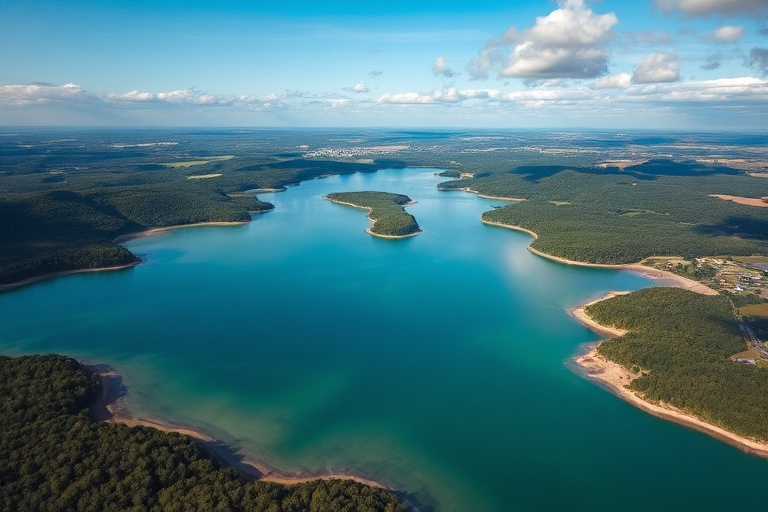
Nestled in the heart of England’s East Midlands, Rutland Water stands as one of Europe’s largest man-made lakes. Created in the 1970s to meet the region’s water supply needs, it has since transformed into a sanctuary for wildlife, a haven for outdoor enthusiasts, and a cultural touchstone for the local community. What began as an engineering project has evolved into a living landscape, where nature and human activity coexist in remarkable balance.
Spanning over 1,000 hectares, Rutland Water is more than just a reservoir. It’s a dynamic ecosystem that supports rare species, a recreational playground for cyclists and anglers, and a canvas for artistic expression. Its global significance lies not only in its biodiversity but also in its role as a model for sustainable land management. For visitors, it offers a rare escape from urban life—a place where the rhythm of nature dictates the pace.
The Making of a Landscape: From Reservoir to Wildlife Paradise
Rutland Water’s origins trace back to the mid-20th century, when the rapid expansion of Peterborough and other nearby towns strained local water resources. The solution was bold: a massive engineering project that would dam the Gwash Valley, flooding farmland to create a reservoir capable of storing 124 billion liters of water. Construction began in 1972, and by 1976, the lake was operational. Yet, few anticipated the ecological transformation that would follow.
In the decades since its creation, Rutland Water has become a haven for birdlife. Its shallow margins and varied habitats attract over 20,000 waterfowl each year, including the elusive bittern and the iconic osprey. The lake’s designation as a Site of Special Scientific Interest (SSSI) and Special Protection Area (SPA) underscores its importance in the global network of wetlands. Conservation efforts have turned it into one of the UK’s premier birdwatching destinations, drawing enthusiasts from across Europe.
The reservoir’s success as a wildlife habitat is no accident. Careful management by the Anglian Water authority and organizations like the Leicestershire and Rutland Wildlife Trust has ensured that the lake remains a thriving ecosystem. Rotational grazing, habitat restoration, and controlled water levels have created conditions that support everything from dragonflies to otters. Rutland Water proves that human intervention, when guided by ecological insight, can yield unexpected benefits.
A Global Model for Sustainable Water Management
Rutland Water’s story resonates far beyond the UK’s borders. In an era where water scarcity threatens regions worldwide, its management offers valuable lessons. The reservoir’s dual purpose—supplying water to over 500,000 people while sustaining biodiversity—demonstrates how infrastructure projects can be designed with ecological foresight. Similar projects, such as the Alqueva Dam in Portugal or the Colorado River’s managed reservoirs in the U.S., have adopted comparable approaches, balancing human needs with environmental stewardship.
One of Rutland Water’s most innovative features is its adaptive management system. Water levels are carefully monitored and adjusted to mimic natural flood cycles, promoting wetland vegetation and supporting fish populations. This approach has been studied by hydrologists and conservationists globally, proving that even artificial landscapes can function as functional ecosystems. The site also serves as a living laboratory for researchers, who study everything from climate change impacts to the behavior of migratory birds.
The reservoir’s success has sparked international interest in “reservoir rewilding”—a concept where human-made bodies of water are actively managed to restore ecological health. Projects in Germany’s Müritz National Park and the Netherlands’ Markermeer have drawn inspiration from Rutland Water’s model, showing how abandoned or repurposed landscapes can be revitalized.
Beyond the Water: Adventures and Cultural Connections
Rutland Water is not just for scientists and conservationists. Its 36-mile shoreline offers endless opportunities for exploration. Cyclists can tackle the Rutland Water Cycle Challenge, a 23-mile loop that circles the lake, passing through woodlands, farmland, and charming villages like Edith Weston. The route is part of the National Cycle Network, attracting riders of all skill levels. For those who prefer water-based activities, the reservoir is a prime spot for sailing, windsurfing, and kayaking. Anglers flock here for its well-stocked trout and pike fisheries, while walkers can choose from gentle lakeside trails or more rugged hikes through neighboring nature reserves.
The lake’s cultural footprint extends into the arts. The Rutland Water Arts Festival, held annually, celebrates the interplay between nature and creativity. From open-air theater performances to photography exhibitions, the festival highlights the lake’s role as a muse for artists. Local legends and folklore further enrich the area’s cultural tapestry. Stories of the Gwash Valley’s flooded villages persist in oral histories, adding a layer of mystery to the landscape. Some claim that on still evenings, the faint sound of church bells can be heard beneath the water—a reminder of the land’s submerged past.
Preservation in the Face of Pressure
Despite its protected status, Rutland Water faces challenges. Rising visitor numbers, climate change, and invasive species threaten its delicate balance. The spread of non-native plants like floating pennywort has forced conservation teams into continuous battle, while warmer temperatures alter the timing of bird migrations. Pollution from agricultural runoff remains a persistent concern, requiring ongoing collaboration between farmers, water authorities, and environmental groups.
Yet, the community’s engagement offers hope. Volunteers participate in citizen science projects, tracking species populations and restoring habitats. Schools use the reservoir as an outdoor classroom, fostering the next generation of environmental stewards. The success of the Rutland Osprey Project, which reintroduced breeding pairs to the region after a 150-year absence, has become a symbol of what collective action can achieve. Through education and advocacy, the people of Rutland have turned their reservoir into a source of pride and a blueprint for sustainable coexistence.
A Destination for All Seasons
Rutland Water’s appeal shifts with the seasons. In spring, the air fills with the calls of returning migrants, and wildflowers paint the banks in vibrant hues. Summer brings festivals, water sports, and long, sunlit days perfect for picnics. Autumn transforms the landscape into a patchwork of gold and crimson, drawing photographers and hikers. Even winter has its allure, with crisp mornings offering unobstructed views of the water and its feathered inhabitants. The reservoir’s ability to adapt to each season ensures that it remains a year-round destination.
For travelers seeking an authentic experience, Rutland Water delivers. Unlike crowded tourist hotspots, it offers a sense of tranquility and connection to the land. The nearby town of Oakham, with its historic castle and independent shops, provides a charming base for exploration. Nearby attractions like the Rockingham Castle and the Rutland Belle steamboat cruises add depth to a visit, blending history with natural beauty.
Rutland Water reminds us that some of the most extraordinary places are not the result of grand design alone, but of time, care, and a willingness to adapt. It stands as a testament to what happens when human ingenuity aligns with ecological wisdom. In a world where natural spaces are increasingly under threat, Rutland Water offers a rare glimmer of hope—a place where progress and preservation walk hand in hand.
Whether you’re drawn by the call of a bittern, the thrill of a cycling challenge, or the simple joy of a lakeside walk, Rutland Water invites you to slow down, look closer, and reconnect with the rhythms of the natural world. It’s a destination that doesn’t just capture attention; it captures the imagination.