Sequoia National Park: A Global Icon of Nature and Conservation
“`html
Sequoia National Park: A Global Treasure of Nature’s Grandeur
Nestled in the southern Sierra Nevada mountains of California, Sequoia National Park stands as a testament to nature’s awe-inspiring power. Established in 1890, it is not only one of the oldest national parks in the United States but also home to some of the most majestic natural wonders on the planet. The park’s towering sequoias, ancient landscapes, and diverse ecosystems draw millions of visitors each year, making it a cornerstone of global conservation efforts.
Unlike many natural wonders that are celebrated for a single feature, Sequoia National Park offers a mosaic of experiences. From the world’s largest trees by volume to rugged alpine peaks, the park encapsulates the raw beauty and ecological significance of untouched wilderness. Its global reputation has grown alongside its role in shaping modern conservation philosophy, influencing policies and inspiring environmental movements worldwide.
The Giants of the Forest: Sequoias and Their Legacy
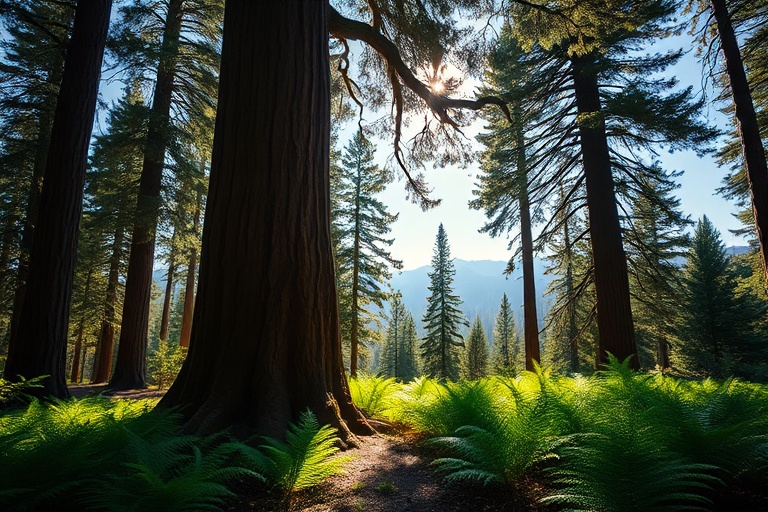
The most iconic residents of Sequoia National Park are its giant sequoias, primarily the Sequoiadendron giganteum species. These colossal trees, some of which have stood for over 3,000 years, are among the oldest living organisms on Earth. The park’s General Sherman Tree holds the title of the largest tree by volume, measuring 275 feet tall and 36 feet in diameter at its base. Its sheer size is almost incomprehensible, a reminder of nature’s capacity for grandeur.
The cultural significance of these trees extends far beyond their physical dimensions. Indigenous tribes, such as the Western Mono and Tübatulabal, have long revered the sequoias as sacred entities. For centuries, these groups relied on the trees for shelter, tools, and storytelling, embedding the sequoias into their spiritual and cultural identity. Today, the park collaborates with Native communities to preserve both the trees and their ancestral knowledge, ensuring that their legacy endures.
Visitors to Sequoia National Park often describe a sense of reverence when standing beneath these ancient giants. The hushed atmosphere of the groves, combined with the scent of pine and damp earth, creates an almost spiritual experience. This connection between humans and nature is a recurring theme in global conservation narratives, where natural wonders often serve as symbols of humanity’s relationship with the environment.
Beyond the Trees: A Landscape of Diversity
While the sequoias dominate the park’s reputation, Sequoia National Park is far more than a collection of giant trees. Its 404,063 acres encompass a breathtaking variety of landscapes, from lowland foothills to alpine peaks exceeding 14,000 feet. The transition between these zones creates a rich tapestry of biodiversity, hosting over 1,200 plant species, 200 bird species, and 70 mammal species.
The park’s geography is divided into distinct ecological regions:
- Foothills: Characterized by chaparral and oak woodlands, this lower elevation zone is home to deer, mountain lions, and the occasional black bear. Wildflowers burst into color during spring, painting the hillsides in vibrant hues.
- Montane Forests: At mid-elevations, dense forests of ponderosa pine, sugar pine, and white fir dominate. This zone is ideal for hiking, with trails like the Moro Rock Trail offering panoramic views of the surrounding valleys.
- Subalpine and Alpine Zones: Above 9,000 feet, the landscape shifts to open meadows and rocky outcrops. The High Sierra Trail leads adventurers to the park’s highest peaks, including Mount Whitney, the tallest mountain in the contiguous United States.
- Caves and Canyons: The park’s subterranean wonders include the Crystal Cave, a marble cavern adorned with stalactites and stalagmites. Above ground, the Kaweah River carves deep canyons, providing habitats for rare aquatic species.
This diversity is not merely a tourist attraction; it is a critical component of the park’s ecological resilience. The varied elevations and microclimates create buffers against environmental threats, allowing species to adapt and thrive even as global climates shift. Sequoia National Park serves as a living laboratory for scientists studying climate change, habitat fragmentation, and conservation strategies.
Sequoia National Park in the Global Conservation Conversation
Sequoia National Park has played a pivotal role in the evolution of environmental conservation. Its establishment in 1890 predates the modern conservation movement, yet it became a model for future national parks worldwide. The park’s early preservation efforts were influenced by figures like John Muir, whose advocacy for wilderness protection helped shape the U.S. National Park System.
Today, Sequoia National Park faces challenges that resonate globally. Climate change poses a significant threat to its ecosystems, with rising temperatures and prolonged droughts increasing the risk of wildfires. The park has implemented adaptive management strategies, such as controlled burns and reforestation projects, to mitigate these risks. These efforts are closely watched by conservationists worldwide, as they offer insights into managing climate-sensitive landscapes.
The park’s cultural and historical significance also extends beyond its borders. In 2013, Sequoia National Park was designated a UNESCO Biosphere Reserve, recognizing its importance as a site of global ecological and cultural value. This designation has bolstered international collaborations, with researchers from countries like Germany, Japan, and New Zealand studying the park’s ecosystems and conservation techniques.
Sequoia National Park also serves as a case study in balancing conservation with tourism. With over 1.2 million visitors annually, the park must manage foot traffic to prevent erosion and habitat degradation. Innovative solutions, such as shuttle systems and timed entry reservations, have been implemented to preserve the park’s integrity while accommodating its popularity. These strategies are often cited in discussions about sustainable tourism, a topic of growing importance in a world where natural attractions are increasingly under pressure.
Visiting Sequoia National Park: A Journey Through Time and Nature
For those planning a visit, Sequoia National Park offers an experience that is both humbling and exhilarating. The park is open year-round, though accessibility varies by season. Summer and early fall are the most popular times to visit, thanks to accessible trails and pleasant weather. However, winter visitors are rewarded with snowy landscapes and fewer crowds, creating a serene and almost otherworldly atmosphere.
Key attractions and activities include:
- General Sherman Tree and Giant Forest: The heart of the park, where visitors can walk among the largest trees on Earth. The Giant Forest Museum provides context about the sequoias’ ecology and history.
- Crescent Meadow: A picturesque meadow surrounded by sequoias, offering a peaceful retreat. The meadow was once a favorite of John Muir, who described it as a “gem in the wilderness.”
- Tokopah Falls: A 1,200-foot waterfall accessible via a 3.4-mile round-trip hike. The trail follows the Kaweah River, providing stunning views of the surrounding cliffs.
- Mount Whitney: For experienced hikers, the 22-mile Mount Whitney Trail offers a challenging but rewarding ascent to the tallest peak in the contiguous U.S. Permits are required and should be secured well in advance.
- Cave Tours: The Crystal Cave is open seasonally, offering guided tours through its glittering marble chambers. Reservations are recommended, as tours often sell out.
Beyond these landmarks, the park’s lesser-known trails and viewpoints provide opportunities for quiet reflection and discovery. Whether it’s watching the sunset from Panoramic Point or stargazing in the pristine darkness of the High Sierra, Sequoia National Park offers moments of connection with nature that are increasingly rare in the modern world.
The park’s cultural impact is also reflected in its role as an educational resource. Programs like the Junior Ranger initiative engage children in learning about conservation, while ranger-led talks and workshops deepen visitors’ understanding of the park’s ecological significance. These efforts ensure that Sequoia National Park remains not just a destination, but a living classroom for future generations.
A Legacy That Transcends Borders
Sequoia National Park is more than a collection of trees and trails; it is a symbol of humanity’s capacity to preserve and protect the natural world. Its story is intertwined with the broader narrative of conservation, from its early days as a protected wilderness to its current role in global climate research. As environmental challenges grow increasingly complex, places like Sequoia National Park serve as reminders of what is possible when we commit to safeguarding our planet’s most precious resources.
For travelers, scientists, and dreamers alike, the park offers a chance to step outside the hustle of daily life and reconnect with something timeless. In an era where natural wonders are often reduced to digital images or fleeting visits, Sequoia National Park invites us to slow down, look up, and marvel at the enduring power of nature. Its legacy is not just in the trees it protects, but in the inspiration it provides to preserve the wild and wonderful places that define our world.