star wars movies in order
“`html
Star Wars Movies in Order: The Complete Saga Explained
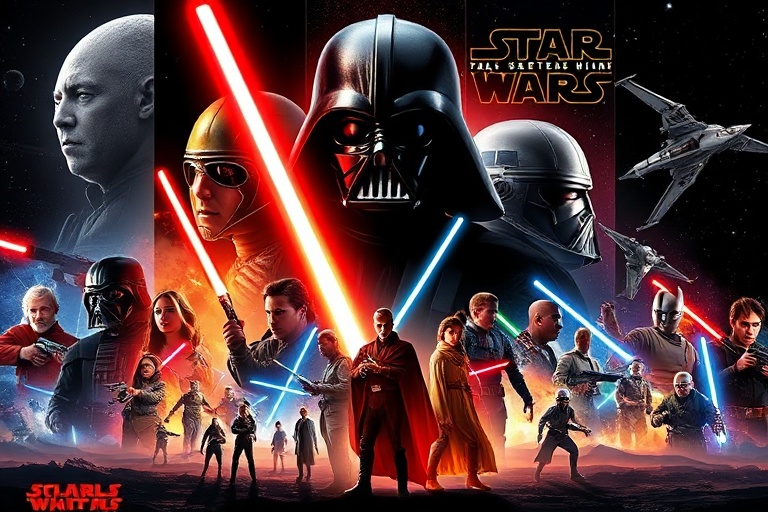
George Lucas’ Star Wars saga remains one of the most influential film franchises ever created. Spanning nine feature films, multiple spin-offs, and an ever-expanding universe of television series, it has shaped science fiction storytelling for nearly five decades. Understanding the correct order of the main saga is essential not just for casual viewers, but for anyone interested in the evolution of blockbuster filmmaking, mythic storytelling, and how a single franchise can redefine an entire genre.
The release order and chronological order often differ—sometimes significantly—and each approach offers a unique lens through which to experience the story. Whether you’re a first-time viewer or a longtime fan revisiting the galaxy far, far away, knowing where to begin (and how to proceed) can make all the difference in your journey.
The Main Saga in Chronological Order
Watching the Star Wars saga in chronological order—following the in-universe timeline—can be a revelatory experience. It transforms the narrative into a generational epic, where events ripple forward and backward in time, creating a sense of destiny and continuity that resonates across the decades. This approach immerses viewers in the rise and fall of the Skywalker family, from Anakin’s birth to Rey’s ascension.
Here is the complete list of the nine main saga films in chronological order:
- Episode I: The Phantom Menace (1999) – Set in 32 BBY
- Episode II: Attack of the Clones (2002) – Set in 22 BBY
- Episode III: Revenge of the Sith (2005) – Set in 19 BBY
- Solo: A Star Wars Story (2018) – Set around 10 BBY
- Rogue One: A Star Wars Story (2016) – Set just before Episode IV
- Episode IV: A New Hope (1977) – Set in 0 BBY/ABY
- Episode V: The Empire Strikes Back (1980) – Set in 3 ABY
- Episode VI: Return of the Jedi (1983) – Set in 4 ABY
- Episode VII: The Force Awakens (2015) – Set in 34 ABY
- Episode VIII: The Last Jedi (2017) – Set in 34 ABY
- Episode IX: The Rise of Skywalker (2019) – Set in 35 ABY
This sequence begins with the political turmoil of the Republic’s fall and ends with the final confrontation between the last Jedi and the remnants of the Sith. It highlights the Skywalker lineage in a way that the release order, which jumps decades at a time, cannot fully capture. The prequels, often maligned upon release, gain new weight when viewed as a tragedy in three acts—Anakin’s innocence, his corruption, and his redemption through his children.
The Prequels as Mythic Tragedy
When experienced in order, The Phantom Menace through Revenge of the Sith functions as a Greek tragedy. Anakin Skywalker’s arc—from slave boy to Jedi Knight to Sith Lord—mirrors the fall of Lucifer in Milton’s Paradise Lost. The political manipulation by Palpatine, the Jedi Council’s blindness, and Anakin’s emotional vulnerability all unfold with a tragic inevitability. The podrace in Mos Espa isn’t just a kid-friendly set piece; it’s a metaphor for Anakin’s struggle against fate—fast, reckless, and doomed from the start.
This perspective also reframes the original trilogy. When Luke confronts Vader in The Empire Strikes Back, the revelation of their relationship carries the weight of generations. The prequels weren’t just backstory—they were destiny written in blood and midi-chlorians.
The Recommended Viewing Order for Newcomers
For those new to Star Wars, chronological order can feel overwhelming. The prequels are stylistically distinct from the originals, and their pacing and dialogue have not aged gracefully for all viewers. A more accessible approach is the release order, which allows the story to unfold as intended by George Lucas and the audience that first experienced it.
Here’s the recommended release order for first-time viewers:
- Episode IV: A New Hope (1977)
- Episode V: The Empire Strikes Back (1980)
- Episode VI: Return of the Jedi (1983)
- Episode I: The Phantom Menace (1999)
- Episode II: Attack of the Clones (2002)
- Episode III: Revenge of the Sith (2005)
- Episode VII: The Force Awakens (2015)
- Episode VIII: The Last Jedi (2017)
- Episode IX: The Rise of Skywalker (2019)
This order preserves the original trilogy’s impact—especially The Empire Strikes Back, which remains one of the greatest sequels ever made. It also avoids the tonal whiplash that can occur when jumping from A New Hope to The Phantom Menace. Once the core saga is understood, viewers can revisit the films in chronological order to appreciate the deeper continuity.
The Cultural Impact of Order
The debate over viewing order isn’t just academic. It reflects how audiences engage with long-form storytelling in the streaming era. Should we prioritize narrative chronology or artistic intent? The answer often lies in the viewer’s goals: immersion in the mythos or preservation of the original emotional experience.
Moreover, the Star Wars saga’s expansion beyond film—into novels, comics, and TV shows—has created an even more complex timeline. Series like The Clone Wars, Rebels, and The Mandalorian deepen the lore, but they are not required viewing. They exist as enriching supplements, not core narrative pillars.
This modular approach to franchise storytelling is now common in modern fandom. It allows new viewers to enter the saga at any point without being overwhelmed, while rewarding longtime fans with layered mythology.
Why This Order Matters: Legacy and Storytelling
The Star Wars saga endures because it is fundamentally about legacy—how choices echo across generations. The Skywalker bloodline is both a blessing and a curse, a theme that only becomes fully apparent when the films are viewed in chronological sequence. Anakin’s fall enables Luke’s rise, which in turn enables Rey’s future. The Force binds them all, regardless of blood.
This cyclical structure is reminiscent of Joseph Campbell’s monomyth, where heroes follow a universal pattern of departure, initiation, and return. Star Wars distills that myth into a form accessible to global audiences, proving that ancient storytelling can thrive in a modern, digital world.
The films also reflect the evolution of filmmaking itself. The original trilogy used practical effects and character-driven storytelling. The prequels embraced digital technology but struggled with pacing and emotional authenticity. The sequel trilogy, while uneven, pushed the boundaries of diversity and representation in blockbuster cinema. Each era mirrors the technological and cultural values of its time.
The Future of the Saga
With Disney’s acquisition of Lucasfilm, Star Wars has entered a new phase. New films, TV series, and games are planned for years to come. Yet the nine main saga films remain the foundation. They are the myth at the heart of a growing universe.
For new viewers, the best approach may be to start with A New Hope, fall in love with the originals, then explore the prequels and sequels at their own pace. For dedicated fans, revisiting the saga in chronological order can reveal new layers of meaning—especially in the final moments of The Rise of Skywalker, where Rey takes the Skywalker name not as an inheritance, but as a choice.
Ultimately, Star Wars is more than a franchise. It is a cultural text, a shared language, and a testament to the power of myth. Whether you watch in release order, chronological order, or some hybrid approach, the journey through the galaxy far, far away remains one of the most rewarding in cinema.
And for those looking to dive deeper into Star Wars lore, extended universe content, or analysis of the latest films, Dave’s Locker’s Entertainment section offers curated insights and reviews. For historical context on how blockbuster filmmaking evolved alongside Star Wars, visit our Culture archives.
May the Force be with you.
—METADATA—
{
“title”: “Star Wars Movies in Order: Best Watch Order for Every Fan”,
“metaDescription”: “Discover the ideal Star Wars movie order for first-timers and veterans. Explore chronological vs release order and why it matters.”,
“categories”: [“Entertainment”, “Culture”],
“tags”: [“Star Wars movies in order”, “Star Wars watch order”, “best way to watch Star Wars”, “Star Wars chronological order”, “Star Wars release order”],