<!DOCTYPE html>
<html lang="en">
<head>
    <meta charset="UTF-8">
    <meta name="viewport" content="width=device-width, initial-scale=1.0">
    <title>Staten Island: The Forgotten Borough's Resilience and Reinvention</title>
</head>
<body>
    <article>
        <h1>Staten Island: The Forgotten Borough's Resilience and Reinvention</h1>

        <p>Staten Island often occupies the blind spot of New York City’s identity. While Manhattan dazzles with its skyline and Brooklyn buzzes with cultural energy, the island at the city’s southern edge drifts in a quieter orbit. Yet Staten Island’s story is one of quiet defiance—a place where history, demographics, and geography have shaped a community that refuses to be overlooked.</p>

        <p>This isn’t just a story about location. It’s about identity. Staten Island, the least densely populated of NYC’s five boroughs, has long been treated as the forgotten stepchild of the metropolis. But beneath the surface lies a borough undergoing subtle transformation—one driven by infrastructure, immigration, and a renewed sense of civic pride. To understand its present, we must look beyond the stereotypes and examine the forces reshaping its future.</p>

        <h2>The Geography and Identity of a Borough Apart</h2>

        <p>Geographically isolated from the rest of New York City, Staten Island sits across the harbor from New Jersey, connected by the Verrazzano-Narrows Bridge and the Staten Island Ferry. This physical separation has fostered a distinct cultural identity. Unlike the urban sprawl of the Bronx or the artistic energy of Brooklyn, Staten Island developed as a suburban enclave within a global city.</p>

        <p>Its history reflects this duality. Originally home to the Lenape people, the island was later settled by Dutch and English colonists. In the 19th century, it became a retreat for wealthy New Yorkers seeking respite from the city’s summer heat. By the 20th century, waves of European immigrants—particularly Italians—settled in neighborhoods like Tottenville and Port Richmond, giving the borough its strong cultural imprint.</p>

        <p>Today, Staten Island is one of the most ethnically diverse areas in New York. While Italian and Irish heritage remain strong, communities from Latin America, South Asia, and the Caribbean have reshaped the demographic landscape. This diversity has created a unique social fabric, one that challenges the borough’s reputation as a monolithic enclave.</p>

        <h3>A Borough of Contrasts</h3>

        <p>Staten Island’s contrasts are striking. On the North Shore, dense urban neighborhoods blend into industrial zones near the port. The East Shore features beaches and parks, including the expansive Greenbelt, a haven for hikers and nature lovers. The South Shore, once rural, has seen explosive suburban development with planned communities like Great Kills and Tottenville.</p>

        <p>This patchwork geography has led to divergent experiences. The North Shore, with its ferry terminal and ferry workers, retains a working-class identity. The South Shore, with its larger homes and newer developments, attracts young families and professionals seeking affordability. The island’s topography—rolling hills, wetlands, and coastline—has preserved pockets of natural beauty amid urban expansion.</p>

        <h2>The Transportation Revolution: Connecting the Forgotten Borough</h2>

        <p>For decades, Staten Island’s isolation was both its defining feature and its greatest challenge. The borough’s reputation as “the forgotten borough” stemmed largely from its limited transit options. The Staten Island Railway, a relic of the 19th century, connects the North Shore to the ferry but does little to serve the island’s sprawling suburban communities.</p>

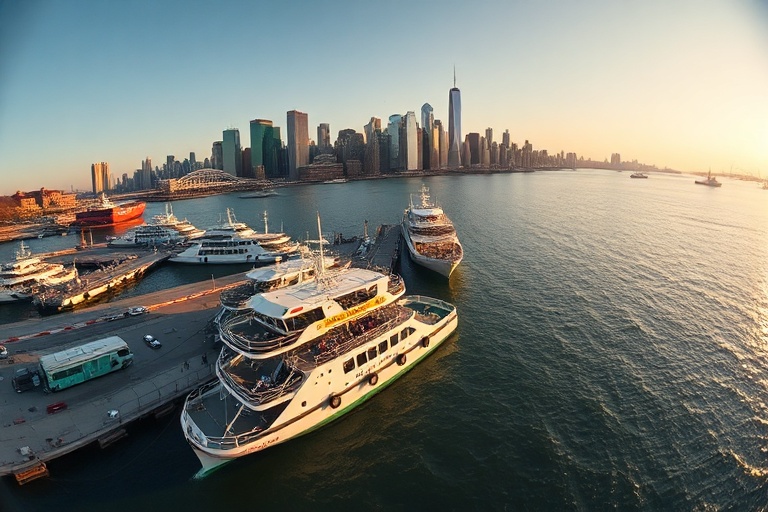
        <p>That began to change in 2017 with the launch of the Staten Island Ferry’s new fleet, featuring modern, energy-efficient vessels that improved reliability and comfort. The ferry remains one of the city’s most iconic transit experiences, offering free rides with stunning views of the Statue of Liberty and Lower Manhattan. It’s not just a commuter route; it’s a public space where Staten Islanders and tourists alike gather to watch sunsets over the harbor.</p>

        <p>Yet broader transit improvements have been slow. The island’s residents have long advocated for a subway extension, a light rail system, or improved bus networks. While the Second Avenue Subway in Manhattan captured headlines, Staten Island’s transit needs remain largely unmet. The absence of robust public transit has consequences: it reinforces car dependency, limits economic mobility, and deepens the borough’s sense of being disconnected from the city’s core.</p>

        <h3>The Role of the Verrazzano-Narrows Bridge</h3>

        <p>Opened in 1964, the Verrazzano-Narrows Bridge was a game-changer for Staten Island. It linked the island directly to Brooklyn and the rest of the city, transforming commuting patterns and fueling suburban growth. Today, the bridge carries over 200,000 vehicles daily, making it one of the busiest in the world.</p>

        <p>But the bridge also symbolizes the island’s uneasy relationship with the city. While it brought connectivity, it also intensified traffic congestion and air pollution. The tolls, which fund bridge maintenance and the MTA, have sparked controversy, with critics arguing they disproportionately burden Staten Island residents who have no alternative transit options.</p>

        <h2>Demographics and Cultural Shifts: Who Lives on Staten Island Now?</h2>

        <p>Staten Island’s population has grown steadily over the past two decades, reaching nearly 480,000 residents in 2023. While it remains the least populous borough, its growth rate outpaces Manhattan and Brooklyn in some years. This shift reflects broader trends in New York City: rising rents in core boroughs are pushing families and young professionals to outer areas where housing is more affordable.</p>

        <p>The island’s demographic makeup has also evolved. According to the U.S. Census Bureau, nearly 40% of Staten Island residents identify as Hispanic or Latino, a significant increase from previous decades. South Asians, particularly Bangladeshi and Pakistani communities, have established strongholds in neighborhoods like Tompkinsville. The borough’s Asian population has grown by over 50% since 2010, reflecting broader immigration patterns to New York.</p>

        <p>These changes have brought cultural dynamism. New restaurants, cultural festivals, and community organizations have emerged, reflecting the island’s growing diversity. Yet demographic shifts have also sparked tensions. In 2020, the island became a flashpoint during debates over policing and racial justice, highlighting long-standing divisions within the community.</p>

        <h3>The Italian Legacy and Its Evolution</h3>

        <p>Staten Island’s Italian-American community has long been a cornerstone of its identity. Neighborhoods like Tottenville and New Dorp were once predominantly Italian, with social clubs, bakeries, and festivals celebrating the heritage. The borough was once home to one of the largest Italian-American populations in the country, a legacy of 19th- and 20th-century immigration.</p>

        <p>Today, that identity is evolving. While Italian festivals like the Festa di San Gennaro still draw crowds, younger generations are less tied to ethnic enclaves. The rise of second- and third-generation Italian-Americans reflects broader patterns of assimilation and cultural blending. Yet the community’s influence persists in local institutions, from the Garibaldi Memorial in Rosebank to the annual Italian Film Festival.</p>

        <h2>The Future of Staten Island: Challenges and Opportunities</h2>

        <p>Staten Island stands at a crossroads. Its affordability, natural beauty, and growing diversity make it an attractive destination for New Yorkers priced out of other boroughs. Yet it faces significant challenges: transit inequities, environmental concerns, and the need to preserve its unique character amid rapid change.</p>

        <p>One of the most pressing issues is climate resilience. Staten Island’s coastline is vulnerable to rising sea levels and storm surges. The devastation wrought by Hurricane Sandy in 2012 exposed the borough’s vulnerabilities, particularly in low-lying areas like Midland Beach and Oakwood. Since then, efforts to rebuild and retrofit infrastructure have been uneven, with some communities receiving more support than others.</p>

        <p>Another challenge is economic development. While the North Shore has seen growth with projects like Empire Outlets and the renovation of the St. George Theatre, the South Shore lags in job opportunities. Many residents commute to Manhattan or Brooklyn for work, adding to transit pressures and economic strain.</p>

        <h3>Key Points About Staten Island’s Present and Future</h3>

        <ul>
            <li><strong>Demographic Transformation:</strong> Staten Island is becoming more diverse, with growing Hispanic, South Asian, and immigrant populations reshaping its cultural landscape.</li>
            <li><strong>Transit Inequities:</strong> Despite being part of New York City, Staten Island lacks robust public transit options, forcing residents into car dependency.</li>
            <li><strong>Climate Vulnerability:</strong> Rising sea levels and storm risks threaten coastal communities, requiring urgent infrastructure investments.</li>
            <li><strong>Economic Disparities:</strong> The North Shore benefits from tourism and development, while the South Shore struggles with job access and infrastructure.</li>
            <li><strong>Cultural Preservation:</strong> Efforts to maintain Staten Island’s Italian-American heritage coexist with the need to embrace its evolving identity.</li>
        </ul>

        <h3>Looking Ahead: Can Staten Island Reinvent Itself?</h3>

        <p>The answer may lie in balancing preservation with innovation. Projects like the North Shore’s waterfront revitalization offer a model for sustainable development. Meanwhile, grassroots organizations are working to address climate resilience, from wetland restoration to community preparedness programs.</p>

        <p>Staten Island’s future will also depend on its ability to assert its place within New York City’s broader narrative. The borough’s story is not one of decline but of resilience—a place that has adapted to change while maintaining its distinct character. Whether through improved transit, economic investment, or cultural celebration, Staten Island is slowly but surely stepping out of the shadows.</p>

        <p>For too long, it has been the forgotten borough. But in a city of constant reinvention, Staten Island may finally be ready to write its own next chapter.</p>
    </article>

    <hr>

    <footer>
        <p>For more analysis on urban development and cultural shifts in New York City, visit <a href="https://www.daveslocker.net/category/analysis">Dave's Locker Analysis</a>.</p>
        <p>Explore transportation trends and infrastructure debates in <a href="https://www.daveslocker.net/category/news">Dave's Locker News</a>.</p>
    </footer>
</body>
</html>

---METADATA---
{
  "title": "Staten Island: The Forgotten Borough’s Quiet Transformation",
  "metaDescription": "Explore Staten Island’s evolving identity, from demographics to transit challenges, and its resilient future within NYC.",
  "categories": ["Analysis", "News"],
  "tags": ["Staten Island", "New York City", "urban development", "transit equity", "demographic shifts"],
  "imageDescription": "Aerial view of Staten Island's coastline at dusk, showing the Verrazzano-Narrows Bridge, ferry terminal, and suburban neighborhoods blending into green spaces and industrial areas along the harbor."
}
---END MET