Tormenta: How Storms Shape Culture, Sports, and Survival Worldwide
“`html
Tormenta: The Storm That Shapes Cultures, Sports, and Daily Life
Few natural phenomena command attention across continents like tormenta. The Spanish word for “storm” carries more than meteorological weight—it embodies the raw power of nature, the resilience of communities, and the cultural narratives that emerge from adversity. From the Caribbean’s hurricane season to the monsoons of South Asia and the thunderstorms of the American Midwest, tormentas are more than weather events. They are pivotal moments that reshape landscapes, economies, and traditions.
To understand tormenta’s global significance, we must examine its dual role as both a destructive force and a catalyst for cultural and social transformation. In many regions, these storms are woven into the fabric of local identity, influencing everything from architecture to folklore. Meanwhile, in the realm of sports, the term has taken on a metaphorical life of its own, symbolizing relentless competition and the spirit of overcoming adversity.
The Meteorological Might of Tormenta
Tormentas vary in intensity and origin, yet they share a capacity to alter the course of human activity. Hurricanes, cyclones, and tropical storms—all classified under the broader umbrella of tormentas—differ in formation but converge in their potential for devastation. The Atlantic hurricane season, which runs from June to November, is a prime example. Storms like Hurricane Maria (2017) and Hurricane Dorian (2019) left indelible marks on Puerto Rico, the Bahamas, and the southeastern United States, prompting long-term recovery efforts and reshaping disaster response strategies.
In the Pacific, typhoons such as Haiyan (2013) in the Philippines demonstrated how tormenta can become humanitarian crises, displacing millions and testing global aid systems. Meanwhile, in South Asia, the annual monsoon season brings both life-giving rains and catastrophic flooding. Countries like India and Bangladesh rely on these storms for agriculture, yet they also face the constant threat of overflowing rivers and landslides.
The economic toll is staggering. According to the World Bank, natural disasters displace an average of 26 million people annually, with storms accounting for a significant portion of that displacement. Rebuilding infrastructure, restoring power grids, and reviving local economies often take years, if not decades. Yet, these challenges also foster innovation. After Hurricane Katrina, New Orleans saw a surge in green building initiatives and flood-resistant architecture. Similarly, post-typhoon recovery efforts in the Philippines have led to stronger community-based early warning systems.
Tormenta in Folklore and Cultural Identity
Beyond their physical impact, tormentas occupy a sacred space in the cultural imagination. Indigenous communities across the Americas have long personified storms as deities or spirits. The Taíno people of the Caribbean revered Guabancex, a goddess associated with hurricanes, wind, and destruction. Similarly, the Maya civilization worshipped Huracán, the god of storms, whose name is etymologically linked to the modern term “hurricane.”
These mythological connections persist in contemporary storytelling. In Puerto Rico, the phrase “Dios aprieta pero no ahoga” (“God tightens but does not drown”) reflects a belief in tormentas as tests of faith and endurance. Music and art often immortalize these storms. For example, the bomba and plena musical traditions of Puerto Rico often reference hurricanes, turning collective trauma into rhythmic resilience. Even in literature, tormentas serve as metaphors for societal upheaval. Gabriel García Márquez’s One Hundred Years of Solitude uses a storm to signal the decline of the Buendía family, mirroring the inevitability of change.
Architecture, too, tells the story of tormenta. In hurricane-prone regions, buildings are designed with reinforced roofs, elevated foundations, and impact-resistant windows. The bohío huts of the Caribbean, with their conical thatched roofs, are a testament to indigenous engineering that has withstood centuries of storms. Meanwhile, in coastal cities like Miami and Mumbai, modern skyscrapers incorporate storm surge barriers and backup power systems to mitigate damage.
Tormenta as Metaphor in Sports and Competition
In the world of sports, tormenta has evolved into a powerful metaphor. Teams and athletes often adopt the term to evoke intensity, unpredictability, and the thrill of overcoming adversity. The Tormentas moniker has been embraced by sports franchises across Latin America, from Mexican soccer clubs to Puerto Rican basketball teams. These names are more than branding—they reflect a cultural pride in resilience.
Consider Club Deportivo Tepic, a Mexican football team nicknamed Los Tormentas. Founded in 2012, the club’s identity is rooted in the idea of a storm: powerful, relentless, and capable of sweeping away obstacles. Their mascot, a lightning bolt, embodies the energy of a team that refuses to be subdued by setbacks. Similarly, the Puerto Rican basketball team Tormentas de Morovis draws on the island’s history of weathering hurricanes to fuel their competitive spirit.
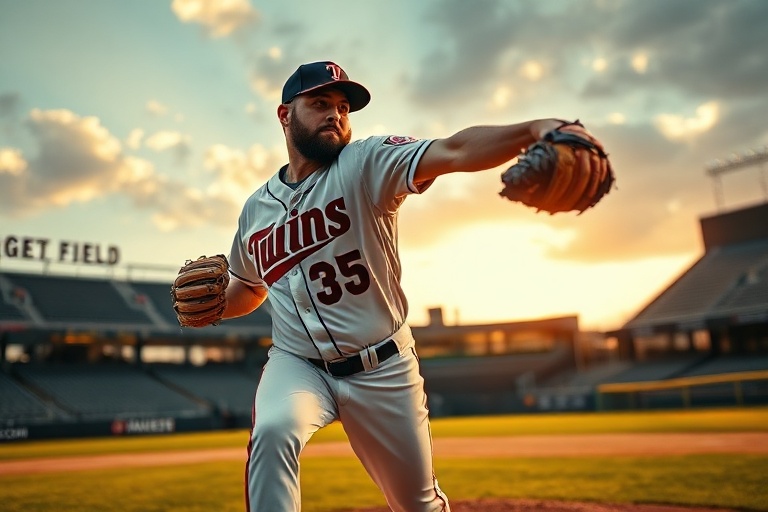
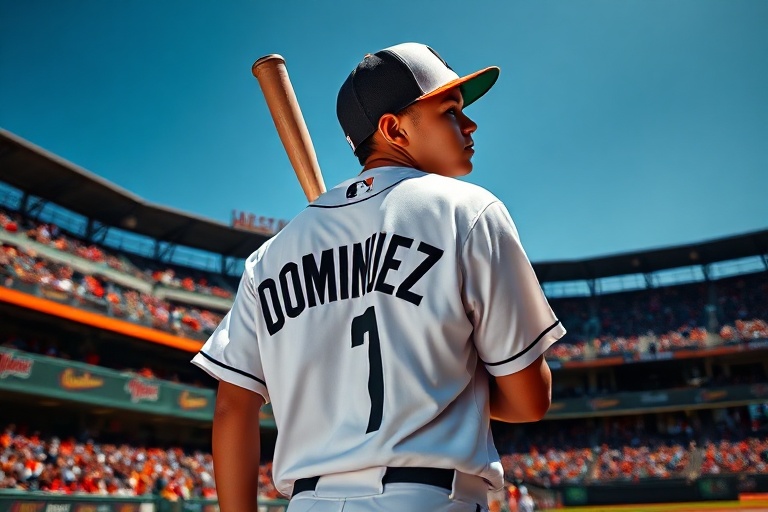
Beyond team identities, the metaphor extends to individual athletes. In combat sports, fighters like Canelo Álvarez have been described as “tormentas” for their ability to dominate opponents with sheer force and precision. In baseball, pitchers known for their fastballs are sometimes likened to a tormenta, their pitches described as “a storm of heat” that overwhelms batters. This linguistic crossover highlights how tormenta transcends its literal meaning, becoming a symbol of excellence and tenacity.
Notable Sports Teams with Tormenta in Their Name
- Tormentas de Morovis (Puerto Rico, basketball) – A team that channels the island’s resilience into their gameplay.
- Club Deportivo Tepic (Mexico, football) – Nicknamed Los Tormentas, embodying relentless energy.
- Tormentas de Aguadilla (Puerto Rico, volleyball) – A team that mirrors the island’s stormy spirit in their competitive drive.
- Tormenta FC (United States, soccer) – A team based in Statesboro, Georgia, with a focus on community and grit.
Preparing for Tormenta: Lessons in Resilience
As climate change intensifies, the frequency and severity of tormentas are likely to increase. This reality has spurred a global conversation about preparedness. Governments, NGOs, and local communities are investing in early warning systems, sustainable infrastructure, and education campaigns. For instance, the Caribbean Disaster Emergency Management Agency (CDEMA) has implemented regional protocols to ensure rapid response to hurricanes and tropical storms.
Technology plays a crucial role in mitigation. Satellite imagery, AI-driven weather models, and drone surveillance help meteorologists predict storm paths with greater accuracy. In 2023, the National Hurricane Center in the U.S. introduced new forecasting tools that improved track predictions by 20%. Meanwhile, communities are adopting nature-based solutions, such as mangrove restoration, to act as natural barriers against storm surges.
Education is equally vital. Schools in storm-prone regions incorporate disaster preparedness into their curricula, teaching children how to react during a tormenta. In the Philippines, the Department of Education has developed modules on typhoon safety, while in the Caribbean, organizations like the Red Cross conduct workshops on securing homes and creating emergency kits.
Yet, despite these advancements, challenges remain. Economic disparities often leave marginalized communities more vulnerable to the effects of tormentas. In the U.S., low-income neighborhoods in cities like Houston and New Orleans face higher risks due to inadequate infrastructure and limited access to resources. Globally, developing nations struggle to recover from storms without sufficient international aid, highlighting the need for equitable disaster response strategies.
Conclusion: The Enduring Legacy of Tormenta
Tormenta is more than a weather event—it is a force that shapes identities, tests limits, and inspires innovation. From the mythological storms of ancient civilizations to the modern-day resilience of sports teams and disaster-ready communities, the concept of tormenta transcends borders and cultures. It reminds us that while nature’s fury can be unpredictable, human ingenuity and solidarity are equally powerful.
As we face an era of increasing climatic uncertainty, the lessons of tormenta—adaptation, preparation, and community—take on new urgency. Whether through the lens of meteorology, culture, or sports, the storm remains a symbol of both destruction and renewal. To weather the tormenta is to understand the fragility and strength of the human spirit.