Roma vs Lazio: History, Culture and the Rome Derby Explained
The Rome Derby isn’t just a football match; it’s a clash of cultures, histories, and identities fought on the pitch. When AS Roma and SS Lazio face off, the city of Rome itself divides into two passionate camps. This fixture transcends sport, becoming a weekly referendum on Roman pride, social class, and even political leanings. Unlike other derbies that might pit neighboring cities against each other, this rivalry splits a single metropolis in half, making it one of football’s most unique and intense competitions.
The origins of this rivalry trace back to 1927, when Italo Foschi proposed merging three Roman clubs to create a single team capable of challenging the dominance of Northern Italian sides. The merger created AS Roma, but many clubs and fans rejected the idea, leading to the formation of SS Lazio as an alternative. This historical schism set the stage for a rivalry that would grow beyond football into something far more personal for Roman citizens.
Historical Context: How the Rivalry Evolved
In the early decades, Lazio represented the establishment – a club with aristocratic roots that drew support from Rome’s elite. Roma, meanwhile, became the people’s team, symbolizing the working class struggle against Northern dominance in Italian football. This class divide shaped the derby’s early character, with Lazio often fielding more expensive, cosmopolitan players while Roma relied on local talent.
The first official derby took place in 1929, ending in a 1-0 Lazio victory. The rivalry intensified during the 1930s when both clubs challenged Juventus for the Scudetto. The 1950s saw a shift as Roma became more competitive, winning their first Coppa Italia in 1964. Yet the real turning point came in the 1970s and 80s when both clubs experienced their golden eras – Roma with Falcão and Conti, Lazio with Signori and Nedvěd.
Political overtones entered the fray in the 1990s when Lazio was accused of harboring neo-fascist elements among its ultras. The club’s controversial signing of right-wing players like Paolo Di Canio drew international attention. Roma responded by positioning itself as the progressive alternative, though the political divide was never absolute – many working-class Lazio fans rejected the far-right associations.
Key Moments That Defined the Derby
- 1980-81: Roma’s first Serie A title came with a dramatic 1-0 win over Lazio in the title decider, cementing their status as Rome’s top club.
- 1998: Lazio’s 3-1 victory featured Pavel Nedvěd’s stunning long-range strike, a moment that defined their 1999 Scudetto-winning season.
- 2004: Roma’s 5-1 demolition remains the derby’s most one-sided result in modern times, with Antonio Cassano scoring twice.
- 2019: Lazio ended a 16-year winless streak in Serie A derbies with a 3-1 victory, sparking wild celebrations among their fans.
The Cultural Divide: More Than Just Football
The Roma-Lazio divide extends far beyond the Stadio Olimpico’s stands. It’s visible in the city’s neighborhoods, where you’ll find local bars draped in either giallorosso or biancoceleste. Even Rome’s public transportation reflects the rivalry – the metro line to the Olimpico splits near the stadium, with one side predominantly Roma supporters and the other Lazio.
Lazio’s Curva Nord has historically been associated with right-wing politics, though this is a generalization that doesn’t capture the full complexity of the fanbase. Roma’s Curva Sud, meanwhile, has long been linked to left-wing movements, though ultras on both sides have shown political flexibility when it benefits their team. The reality is more nuanced – many Lazio fans reject fascist associations, just as Roma’s fanbase includes conservatives.
The rivalry also plays out in Rome’s cultural institutions. The city’s opera house, Teatro dell’Opera, has been known to divide its audience during derby weeks, with some performances seeing half the crowd wearing Roma colors and the other half in Lazio’s. Even Rome’s culinary traditions get appropriated – pizzerias in Trastevere might offer “derby specials” with half the pizza colored like Roma’s flag and the other half like Lazio’s.
Modern Era: Tactical Evolution and Star Power
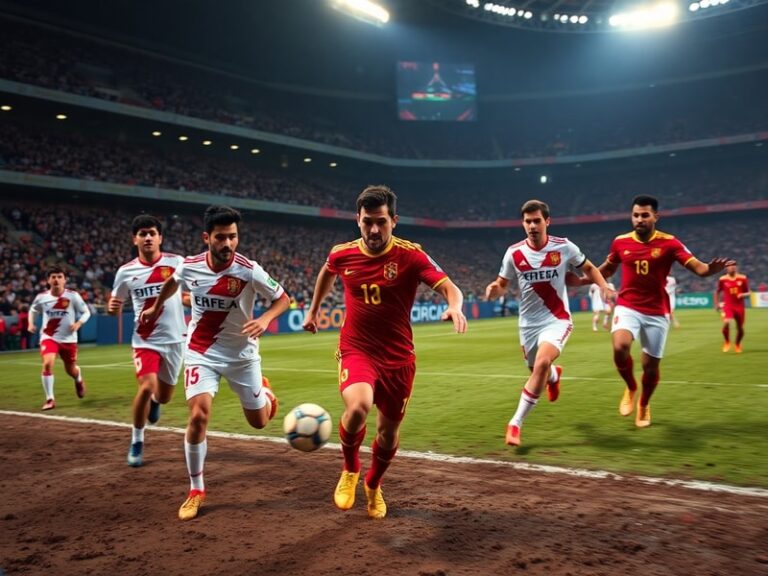
Today’s Rome Derby is as much about tactical battles as it is about passion. Both clubs have evolved their approaches while maintaining distinct identities. Roma under José Mourinho has adopted a pragmatic, defensive style that frustrates Lazio’s possession-based game. Lazio, under Maurizio Sarri, plays a more fluid, attacking football that often overwhelms opponents.
The player transfers between the clubs have become almost as contentious as the matches themselves. Notable movements include:
- Miroslav Klose’s move from Lazio to Roma in 2004
- Sebastián Soria’s controversial transfer from Roma to Lazio in 2006
- Stephan El Shaarawy’s youth career split between both clubs
- Ciro Immobile’s time at both clubs, winning the Capocannoniere with each
The derby has also become a stage for emerging talent. Players like Sergej Milinković-Savić and Luis Alberto have used these matches to showcase their abilities to Europe’s elite clubs. For young Roman players, starring in the derby is often the ultimate achievement – a chance to prove themselves in football’s most intense cauldron.
What Makes the Rome Derby Unique
Unlike other European derbies that might feature fans from different cities or regions, the Rome Derby is uniquely insular. The clubs share the same stadium, train at the same facilities, and often recruit from the same youth academies. This proximity makes the rivalry personal in ways other derbies cannot match.
The derby’s intensity is amplified by its frequency – Serie A’s schedule ensures these matches happen twice a season, with Coppa Italia adding potential third and fourth encounters. This regularity means the rivalry never fades, keeping tensions high throughout the campaign.
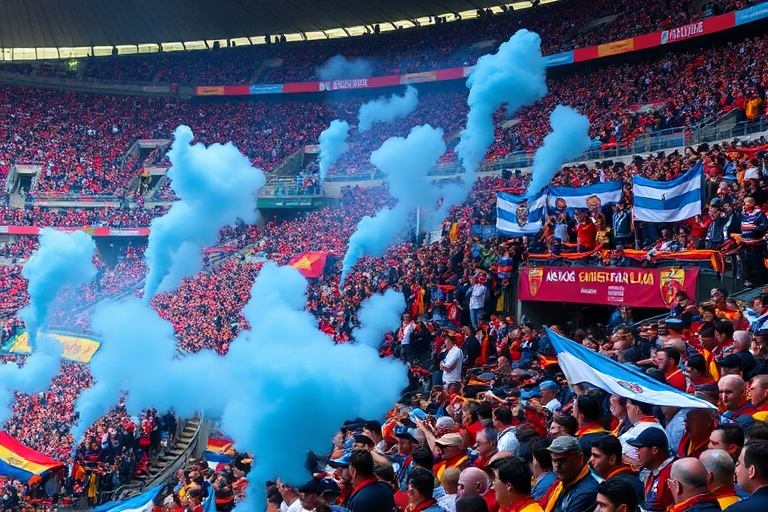
The atmosphere inside the Stadio Olimpico during a derby is unlike any other in football. The stadium’s unique architecture, with its bowl design and lack of running tracks, creates an intimate environment where fans feel close to the action. The ultras’ choreography – massive tifos, coordinated chants, and smoke displays – turns the match into a theatrical experience.
Off the pitch, the rivalry extends to corporate sponsorships and commercial deals. Both clubs compete fiercely for local business support, with restaurants, bars, and even taxi companies forced to declare their allegiances publicly. The economic impact of the derby on Rome’s businesses is substantial, with some establishments reporting up to 30% increases in turnover during derby weeks.
Conclusion: A Rivalry That Defines Roman Identity
The Roma-Lazio rivalry endures because it represents something deeper than football. It’s a reflection of Rome’s complex identity – a city that has always been both traditional and revolutionary, both ancient and modern. The derby forces Romans to confront their dual nature, forcing them to choose which version of their city they identify with most.
For visitors to Rome, experiencing the derby is essential to understanding the city. The passion, the colors, the chants – it’s all part of what makes Rome special. The matches may only last 90 minutes, but the rivalry shapes lives far beyond that. It influences career choices, social circles, even romantic relationships. In Rome, supporting the wrong team can be a social liability.
As football continues to evolve globally, the Rome Derby remains a rare constant. In an era of corporate ownership and globalized fandom, it stands out as one of the last truly organic rivalries – one that predates modern football’s commercialization. Whether you’re a neutral watching for the first time or a lifelong Roman forced to pick a side, the experience leaves an indelible mark.
For those looking to dive deeper into Italian football’s cultural landscape, consider exploring our sports section or reading more about football analysis on Dave’s Locker. The stories behind these rivalries reveal as much about society as they do about the beautiful game.