Two Weeks in August: Global Highlights and Cultural Moments
“`html
Two Weeks in August: A Global Snapshot of Summer’s Peak
August occupies a peculiar place in the global calendar. It sits between the promise of summer’s beginning and the inevitability of its end, a liminal space where cities pulse with heat, festivals, and a collective sense of urgency before the autumn rhythm takes hold. Two weeks within this month often encapsulate the contradictions of modern life: leisure collides with labor, tradition brushes against innovation, and local customs reveal themselves on a global stage.
This year, the second and third weeks of August provided a revealing cross-section of how the world engages with this fleeting season. From Tokyo to Toronto, Dakar to Dublin, these fourteen days were marked by cultural milestones, sporting spectacles, and quiet moments of human connection. What emerges is not merely a snapshot of summer in full swing, but a reflection of how communities sustain identity in an increasingly interconnected world.
The Festival Effect: When Music Transcends Boundaries
Music festivals have long been the heartbeat of August, transforming towns into temporary utopias where strangers become friends and rhythm dictates the hours. This year, the second weekend of August saw the conclusion of several major festivals, each offering a distinct flavor of global culture.
In the rolling hills of Hungary, Sziget Festival drew over 560,000 attendees from 110 countries. Known as “the Island of Freedom,” Sziget has evolved from a small Hungarian event into one of Europe’s most diverse gatherings. Performances spanned Afrobeats, K-pop, indie rock, and traditional folk, reflecting the festival’s commitment to cultural exchange. Organizers highlighted a 30% increase in African and Asian artists compared to 2023, signaling a gradual shift toward more inclusive programming.
Meanwhile, in North America, Lollapalooza in Chicago served as a reminder of how music festivals have become economic engines. Over 400,000 visitors descended on Grant Park, injecting an estimated $200 million into the local economy. The lineup balanced legacy acts like Blink-182 with rising stars such as Sabrina Carpenter, illustrating the enduring appeal of multi-generational audiences. Such events are no longer just cultural moments—they are industries, shaping urban identity and tourism strategies worldwide.
What ties these festivals together is not just the music, but the way they facilitate cross-cultural dialogue. Attendees at Sziget often cite the “unexpected discovery” of new sounds as a highlight. Similarly, Lollapalooza’s Global Lounge stage curates performances that celebrate diasporic communities in the U.S., from Afro-Caribbean rhythms to South Asian classical fusion. These moments of encounter are increasingly vital in a world where algorithmic feeds often reinforce echo chambers.
Sport as Spectacle and Unifier
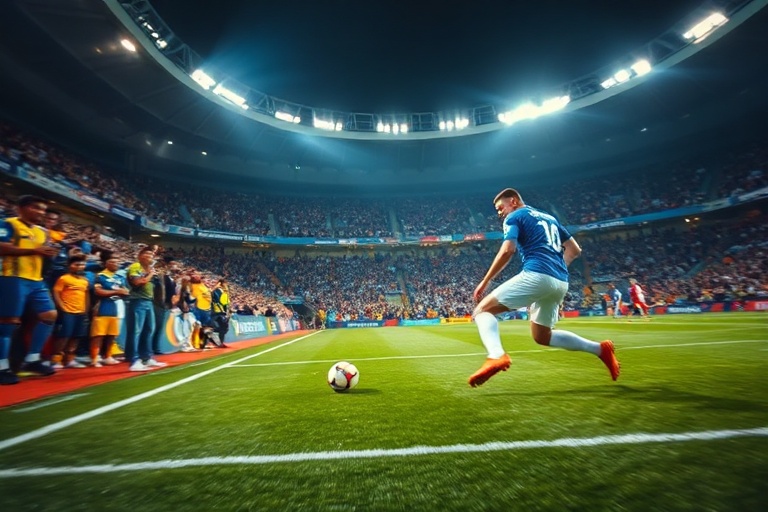
Sports have always been a universal language, and August delivered two major global events that commanded attention across continents. The FIFA Women’s World Cup, hosted jointly by Australia and New Zealand, reached its climax during the second week of August. The final in Sydney drew a record 75,000 in-stadium spectators and over 11 million television viewers in the U.S. alone—numbers that underscore both the growth of women’s football and the persistent gender gap in media coverage.
Spain’s victory marked the first time a nation won both the men’s and women’s World Cups in the same year, a symbolic milestone in the sport’s evolution. Yet, behind the triumph lay ongoing debates about pay equity, grassroots development, and media representation. The tournament became a stage not only for athletic excellence but for advocacy, with players such as Spain’s Aitana Bonmatí and England’s Lauren James using their platforms to call for systemic change.
Across the Atlantic, the Summer Olympics in Paris entered its final stretch during the third week of August. While the Games have faced criticism over sustainability and cost, the opening ceremony set a new precedent by moving events from stadiums into the urban core. The Seine River hosted triathlon and open-water swimming, a nod to environmental consciousness and civic pride. Athletes from 206 nations competed in sports ranging from breaking (new to the Olympics) to traditional track and field, reinforcing sport’s role as a mirror of global diversity.
What both events demonstrated is that sport remains one of the few remaining spaces where national pride, personal achievement, and cultural expression converge without apology. They also revealed how global audiences engage with competition differently—whether through social justice lens, nationalistic pride, or pure athletic admiration.
A Glimpse into the Olympics’ Cultural Integration
- Opening ceremony held on the Seine River, integrating Parisian landmarks
- Breaking (breakdancing) debuted as an Olympic sport
- Sustainability initiatives reduced carbon footprint by 50% compared to previous Games
- Digital engagement soared, with over 3 billion social media interactions
Everyday Life in the Heat: The Quiet Pulse of August
Beyond the marquee events, August’s second and third weeks carried the rhythm of daily life in cities around the world. In Tokyo, the Obon festival brought millions of people back to ancestral hometowns, creating one of the largest annual human migrations on Earth. Streets emptied as offices closed and trains filled with travelers carrying gifts and memories. The festival, rooted in Buddhist tradition, offers a rare moment of collective reflection amid the city’s relentless pace.
In Lagos, Nigeria, the Eid al-Adha celebrations in mid-August coincided with the peak of the rainy season. Markets overflowed with livestock, fabrics, and spices as families prepared communal meals. The holiday became a vivid display of resilience, as vendors and consumers alike navigated inflation and infrastructure challenges. Yet, the spirit of generosity persisted, with neighbors sharing meals across religious and ethnic lines.
Meanwhile, in Reykjavik, Iceland, the summer solstice had already passed, but the lingering twilight of August nights inspired a different kind of migration—this time, toward the countryside. The annual “Verslunarmannahelgi” (Merchant’s Weekend) saw Reykjavik’s population shrink by nearly 20% as residents sought solace in nature. Hiking trails, geothermal pools, and remote cabins became sanctuaries from the city’s summer intensity.
These moments reveal a deeper truth about August: it is as much about the absence of routine as it is about celebration. Whether through ritual, migration, or simple retreat, people across the globe use this time to reconnect with what matters most—family, faith, nature, or self. In an era dominated by digital noise, August offers a rare invitation to slow down, even if just for a moment.
Looking Ahead: What August Teaches Us
Two weeks in August do more than mark the calendar—they reveal the contours of a world in motion. They show how culture, sport, and daily life intersect in ways that are both predictable and profoundly surprising. They remind us that global connectivity does not erase local identity, but rather amplifies it.
As climate change intensifies, August may become even more unpredictable—heatwaves, storms, and shifting migration patterns could reshape how we experience this season. Yet, the essence of August endures: it is a time of presence. Whether through a festival crowd, a football field, or a family meal, people gather to affirm life in all its complexity.
Next year, when the calendar turns to August once more, we will likely see new records, new controversies, and new expressions of human creativity. But the underlying pulse will remain the same—a fleeting yet essential reminder of what it means to be alive in the world today.