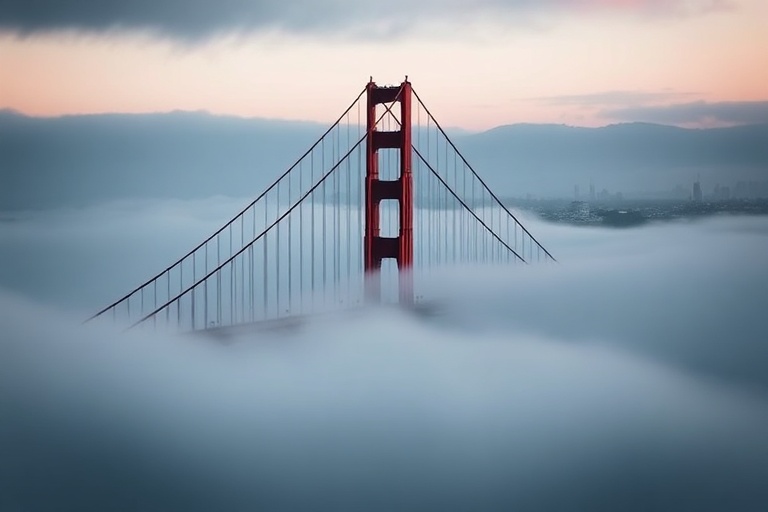
San Francisco’s weather is as iconic as its Golden Gate Bridge and cable cars. The city’s microclimates, influenced by the Pacific Ocean and the bay, create a tapestry of conditions that can shift dramatically within just a few miles. Residents and visitors alike often joke about experiencing all four seasons in a single day, and for good reason. The city’s weather isn’t just a backdrop to daily life—it shapes culture, tourism, and even the rhythm of the city itself.
The Science Behind San Francisco’s Microclimates
The most striking feature of San Francisco’s weather is its microclimates. These localized weather patterns occur because of the city’s unique geography. The Pacific Ocean to the west and the San Francisco Bay to the east create natural barriers that interact with the region’s topography. The result is a patchwork of climates that can vary from sunny and warm to foggy and chilly within a short distance.
For example, areas like the Sunset District, near the ocean, often sit under a blanket of fog, while neighborhoods just a few miles inland, such as the Mission District, bask in sunshine. The city’s hills, including Twin Peaks and Nob Hill, further complicate the weather by acting as natural windbreaks or channels. This diversity means that a sunny day in one part of the city can coincide with drizzle or fog in another.
The primary driver of San Francisco’s microclimates is the marine layer—a dense layer of cool, moist air that rolls in from the Pacific. This layer is thickest during the summer months, when it can shroud the western half of the city in fog for days on end. The marine layer typically burns off by midday in areas closer to the bay, while neighborhoods closer to the ocean may remain cool and overcast well into the afternoon.
Key Factors Influencing San Francisco’s Weather
- Proximity to the Pacific Ocean: Areas closer to the coast experience cooler temperatures and more frequent fog, especially during summer.
- Elevation: Higher elevations, such as Twin Peaks, are often windier and cooler than lower-lying areas like Fisherman’s Wharf.
- Urban Heat Island Effect: The city’s dense infrastructure can trap heat in some areas, particularly in the Mission and SoMa districts, creating pockets of warmer weather.
- Wind Patterns: The city’s famous winds are most pronounced in the spring and summer, funneling through gaps in the hills and along the coastline.
Seasonal Weather Patterns in San Francisco
San Francisco’s weather follows a distinct seasonal rhythm, though it often defies expectations. Winters are mild and wet, while summers are cool and foggy—a stark contrast to many other parts of California. Spring and fall serve as transitional seasons, offering glimpses of the city’s more temperate side.
Winter (December to February)
Winter in San Francisco is characterized by cool temperatures and rainfall, though snow is exceedingly rare. Daytime highs typically range from the mid-50s to low 60s Fahrenheit (around 12-17°C), while nighttime lows can dip into the 40s (4-9°C). Rainfall is concentrated between November and March, with January being the wettest month. However, even during the rainy season, the city rarely experiences prolonged downpours. Instead, light drizzles and occasional heavy showers dominate, interspersed with sunny breaks.
The city’s winter weather is influenced by the jet stream, which dips southward, bringing moisture from the Pacific. While the rain can be disruptive to outdoor plans, it also plays a crucial role in replenishing the region’s water supply, which is vital for the city’s ecosystem and residents.
Spring (March to May)
Spring marks a transitional period, with temperatures gradually warming and fog becoming less persistent. March can still feel like winter, with cool temperatures and occasional rain, but by April, the city begins to dry out. Daytime highs climb into the 60s (around 15-20°C), and the marine layer starts to thin, allowing more sunshine to reach the streets. However, spring is also a time of unpredictable weather, with sudden shifts between sunshine and fog not uncommon.
One of the most notable spring phenomena is the “June Gloom,” a term that describes the persistent fog and overcast skies that often linger into early summer. This period can be particularly frustrating for locals eager to enjoy the city’s outdoor attractions.
Summer (June to August)
Summer is the season when San Francisco’s microclimates are most pronounced. The city’s western neighborhoods, such as the Sunset and Richmond Districts, are often shrouded in fog, while areas like the Mission and Noe Valley enjoy sunny skies. Daytime temperatures in the foggy zones hover in the 50s and 60s (12-20°C), while inland neighborhoods can reach the 70s and even low 80s (21-28°C).
The marine layer is at its thickest during these months, creating a natural air conditioning system that keeps the city cool. However, it also means that summer is the least predictable season for outdoor activities. A morning foggy start can give way to a sunny afternoon, only for the fog to roll back in by evening. This unpredictability has led to the city’s reputation for having “two summers”—one for the foggy west side and another for the sunnier east side.
Fall (September to November)
Fall is widely considered the best season in San Francisco. The fog typically retreats, and the city basks in warm, sunny days with low humidity. September and October are particularly pleasant, with daytime highs in the 70s (around 21-26°C) and cool, crisp nights. The lack of fog and rain makes this the ideal time for outdoor activities, from hiking in Golden Gate Park to exploring the city’s neighborhoods.
As November approaches, temperatures begin to cool, and rainfall becomes more frequent. However, even as the city transitions into winter, fall remains a favorite season for both locals and tourists. The clear skies and mild weather provide the perfect backdrop for the city’s many festivals and events.
The Broader Implications of San Francisco’s Weather
San Francisco’s weather isn’t just a topic of small talk—it has real-world implications for the city’s infrastructure, economy, and culture. The marine layer, for example, plays a crucial role in the city’s ecosystem, supporting the growth of native plants and providing a habitat for local wildlife. It also influences the city’s energy consumption, as residents rely on heating and lighting during the foggy months.
The weather also shapes the city’s tourism industry. Visitors often arrive expecting California’s iconic sunshine, only to be greeted by fog and chill. This disconnect can lead to disappointment, but it also creates opportunities for tourism operators who offer activities tailored to the city’s unique climate. For instance, foggy days are perfect for visiting museums or exploring the city’s historic neighborhoods, while sunny afternoons are ideal for outdoor adventures like biking across the Golden Gate Bridge.
San Francisco’s weather has also influenced the city’s architecture and urban design. The city’s historic Victorian homes, with their steeply pitched roofs and bay windows, are designed to maximize natural light during the shorter, foggier days of winter. Modern buildings often incorporate large windows and open spaces to take advantage of the rare sunny days. Even the city’s famous cable cars are a product of its weather, originally designed to navigate the steep, often foggy streets of the 19th century.
The city’s weather patterns have also contributed to its cultural identity. San Franciscans are known for their resilience and adaptability, traits that are perhaps a reflection of the city’s ever-changing climate. The weather has inspired countless works of art, literature, and music, from the fog-inspired paintings of local artists to the lyrics of songs that capture the city’s moody, atmospheric charm.
Navigating San Francisco’s Weather as a Visitor or Resident
For those new to San Francisco, the city’s weather can be a source of confusion and frustration. However, with a little preparation, it’s possible to make the most of whatever conditions the city throws your way. Here are some tips for navigating San Francisco’s weather:
- Layer your clothing: The key to dressing for San Francisco’s weather is layers. Mornings and evenings can be chilly, while afternoons may warm up significantly, especially in sunnier neighborhoods.
- Check the forecast regularly: San Francisco’s weather can change rapidly, so it’s important to stay updated. Websites like the National Weather Service or local news outlets provide detailed forecasts that account for the city’s microclimates.
- Be flexible with your plans: If you’re visiting, don’t be too rigid with your itinerary. Be prepared to adjust your plans based on the weather, whether that means moving an outdoor activity indoors or taking advantage of a rare sunny day.
- Embrace the fog: Instead of fighting the city’s natural fog, lean into it. Visit neighborhoods like the Sunset District for a moody, atmospheric experience, or explore the city’s many indoor attractions on foggy days.
- Plan for the unexpected: San Francisco’s weather can be unpredictable, so always carry a light jacket or sweater, even on sunny days. It’s better to be overprepared than caught off guard by a sudden shift in conditions.
For residents, understanding the city’s weather patterns can help you make the most of each season. Whether it’s taking advantage of a rare sunny day in February or bundling up for a foggy morning in July, embracing the city’s climate is part of what makes life in San Francisco unique.
Conclusion: Weather as a Reflection of San Francisco’s Character
San Francisco’s weather is more than just a series of meteorological events—it’s a reflection of the city’s character. The ever-changing conditions, the stark contrasts between neighborhoods, and the resilience required to navigate the city’s climate all mirror the spirit of its residents. Whether you’re a lifelong San Franciscan or a first-time visitor, the city’s weather invites you to slow down, adapt, and appreciate the beauty of its unpredictability.
So the next time you