What Does a Councillor Do? The Local Government Role Explained
“`html
The Role of a Councillor: Local Leadership in Action
The position of councillor represents one of the most direct forms of democratic representation in local government. These elected officials serve as the voice of their communities, making decisions that shape neighbourhoods, towns, and cities across the country. Unlike national politicians, councillors focus on hyper-local issues—from pothole repairs to zoning laws—that directly impact daily life.
To become a councillor, individuals typically run in ward-based elections. Most serve four-year terms, though this varies by region. Their responsibilities extend beyond voting on motions; they act as liaisons between residents and municipal administrations, ensuring concerns reach decision-makers. This dual role demands both community engagement and political acumen.
Key Responsibilities of a Councillor
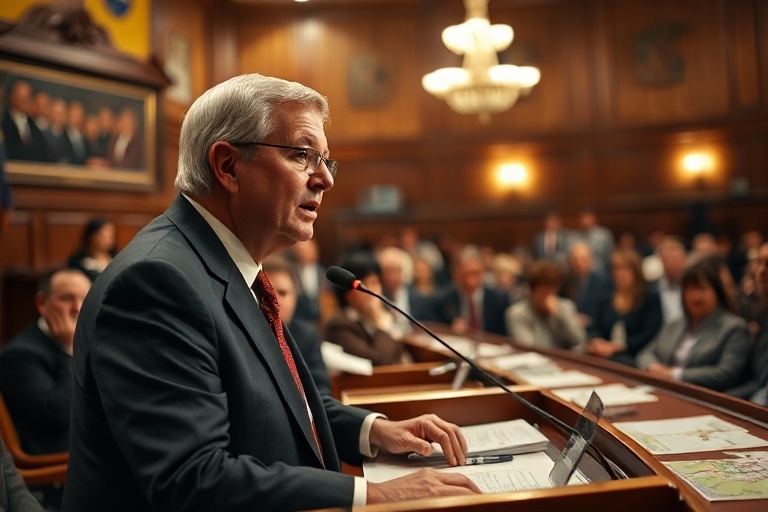
Councillors juggle multiple duties that fall into three broad categories: legislative, constituent services, and policy oversight. At council meetings, they debate and vote on budgets, bylaws, and development proposals. Behind the scenes, they field calls about everything from noise complaints to road closures, often coordinating with city staff to resolve issues.
Many councillors also chair committees that specialise in areas like housing, transportation, or sustainability. These roles let them dive deeper into specific challenges while influencing broader strategies. For example, a councillor focused on climate action might push for green infrastructure upgrades in their ward.
Financial oversight is another critical aspect. Councillors help approve municipal budgets that fund everything from libraries to snow removal. This requires balancing competing priorities—like whether to allocate more funds to parks or social services—while keeping tax increases manageable for residents.
- Legislative duties: Voting on motions, amendments, and bylaws
- Constituent services: Addressing resident concerns and casework
- Policy leadership: Leading or participating in advisory committees
- Budget oversight: Reviewing and approving municipal spending plans
How Councillors Differ from Other Elected Officials
While mayors and provincial legislators handle larger jurisdictions, councillors operate at the most granular level of governance. Their work is visible and immediate: a councillor might advocate for a new crosswalk after a resident’s child nearly gets hit by a car. This proximity to daily life gives their role unique significance in representative democracy.
Unlike MPs or MPPs who focus on provincial or federal issues, councillors deal with hyper-local infrastructure. Their decisions on zoning changes could determine whether a quiet street transforms into a high-rise apartment block. Similarly, their votes on transit funding might decide if a bus route gets extended to a growing suburb.
Another distinction lies in accessibility. Councillors often hold monthly town halls or walk door-to-door during campaigns, maintaining closer ties to voters than higher-level politicians. This grassroots connection makes their job both rewarding and demanding, as they must constantly balance community expectations with municipal regulations.
The Challenges and Rewards of the Role
Serving as a councillor isn’t just about attending meetings. It requires resilience, empathy, and thick skin. Councillors frequently face criticism from residents who feel their concerns aren’t being heard, whether it’s about a delayed sidewalk repair or contentious development project. The job’s public nature means personal lives often intersect with political debates.
Yet the rewards can be profound. Councillors witness tangible improvements in their communities, from new playgrounds to reduced crime through better lighting. Many enter politics after careers in education, business, or activism, bringing diverse perspectives to municipal governance. Their work also offers a front-row seat to democracy in action, where every vote can change a neighbourhood’s future.
For those considering a run for office, the path involves understanding local governance structures, building a campaign team, and securing nomination papers. Successful councillors often combine charisma with policy knowledge, turning grassroots support into effective representation.
Why Local Politics Matters More Than You Think
National elections dominate headlines, but municipal decisions affect daily life in ways few realise. Councillors influence everything from property taxes to emergency services, shaping the places people call home. Their work on climate adaptation, for instance, could determine if a town survives rising floodwaters or heat waves.
Consider Toronto’s 2022 decision to expand its cycling network. Councillors in wards with vocal cycling advocates pushed for protected bike lanes, transforming commutes for thousands. Similarly, Vancouver’s councillors have grappled with housing shortages by rezoning areas for denser development—a controversial move with long-term consequences.
Voter turnout in local elections often hovers around 40%, far below federal contests. This apathy gives engaged citizens an outsized opportunity to influence governance. By attending council meetings or joining resident associations, individuals can amplify their impact without running for office themselves.
For those inspired to engage, resources like Dave’s Locker Politics section offer guides on local advocacy. Understanding how councillors operate empowers residents to participate meaningfully in the democratic process.
Conclusion: The Unsung Heroes of Local Democracy
Councillors may not always grab headlines, but their work quietly transforms communities. They navigate bureaucratic complexities while staying grounded in residents’ needs. In an era of polarised politics, their hyper-local focus offers a model of governance that prioritises tangible results over partisan battles.
Their challenges—balancing budgets, mediating disputes, advocating for equity—mirror those of any leader. Yet their successes are measured in potholes filled, parks maintained, and policies implemented that improve lives. For anyone frustrated by slow-moving federal politics, local councillors provide a direct line to change.
As cities grow and challenges intensify, the role of the councillor will only become more critical. Whether through incremental improvements or bold reforms, these elected officials shape the places we live in ways both seen and unseen. Their work deserves attention, support, and participation from those they represent.