Albania and Israel: Two Nations United by Football
The matchup between Albania and Israel on the football field is more than just a sporting contest. It represents a collision of histories, cultures, and geopolitical narratives that stretch far beyond the white lines of the pitch. While Albania has long been a footballing underdog in Europe, Israel has carved out its identity as a competitive force in Asian and European competitions. Their encounters—though infrequent—carry weight, reflecting broader themes of migration, identity, and resilience.
Albania, a small Balkan nation with a population of just over 2.8 million, has seen its football team rise steadily in the UEFA rankings. Israel, a country with a population of around 9 million, has a more established footballing infrastructure, having competed in multiple European Championships and World Cup qualifiers. Yet, when these two teams meet, the story often transcends mere results. It becomes about representation, perseverance, and the unifying power of sport.
Historical Context: Football as a Mirror of National Identity
Albania’s football history is deeply intertwined with its struggles for recognition. After decades of isolation under communist rule, the national team’s resurgence in the 2010s symbolized the country’s reintegration into Europe. Meanwhile, Israel’s football journey has been defined by its unique position in the Middle East. Despite political tensions, the Israeli national team has participated in UEFA competitions since the early 2000s, reflecting its complex regional identity.
Football in Albania is a cultural touchstone. The sport arrived in the early 20th century, introduced by Italian and Austrian influences. By the 1940s, it had become a national obsession, even under the strictures of Enver Hoxha’s communist regime. The fall of communism in 1991 brought both chaos and opportunity. Clubs like Dinamo Tirana and Partizani, once state-controlled, struggled to adapt to market economies. Yet, the national team’s 2016 UEFA European Championship qualification marked a turning point, proving that Albanian football could compete on the big stage.
Israel’s football story is no less dramatic. Founded in 1948 amid regional conflict, the Israeli national team initially played in the AFC (Asian Football Confederation) before being forced out due to political pressure. Its move to UEFA in 2000 was not just a logistical shift—it was a statement. Football became a way for Israel to assert its place in the European sporting community, despite ongoing geopolitical isolation.
Key Matches: When Albania and Israel Collided
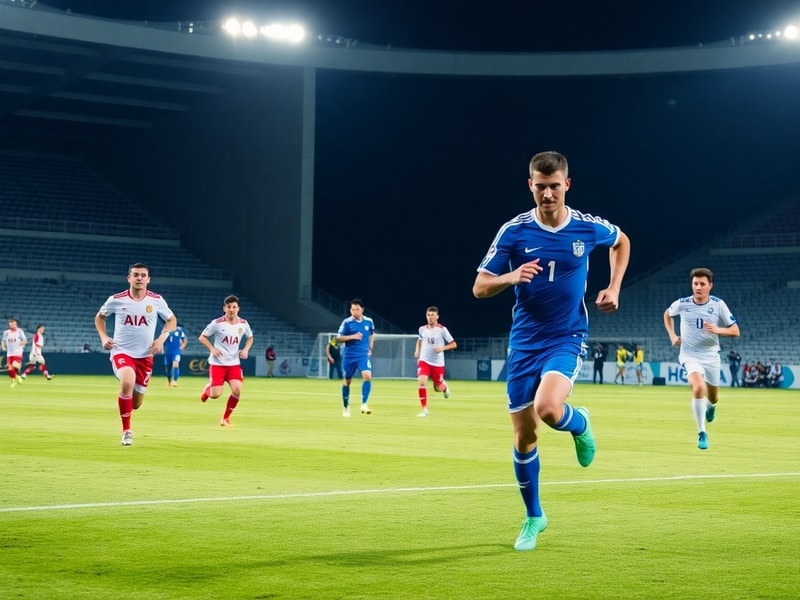
Albania and Israel have faced each other in competitive and friendly matches over the years, with results often reflecting the teams’ respective trajectories. One of the most notable encounters came in the 2018 UEFA Nations League, where Albania secured a hard-fought 1-0 victory in Tirana. The match was tense, with defensive solidity and tactical discipline defining the outcome. For Albania, it was a statement of intent. For Israel, it was a setback in a campaign that ultimately saw them narrowly miss out on Euro 2020 qualification.
In their most recent competitive meeting—a 2022 World Cup qualifier in Elbasan—Albania again emerged victorious, this time 1-0. The result underscored Albania’s growing confidence, while Israel’s struggles in the campaign highlighted the challenges of competing in a tough UEFA group. These matches, while not historic in the traditional sense, carry significance in the broader narrative of football in both nations.
The rivalry is not just about wins and losses. It reflects deeper themes:
- Migration and Diaspora: Albania has a large diaspora in Israel, particularly in cities like Tel Aviv, where Albanian immigrants have integrated while maintaining cultural ties. Football matches between the two nations often evoke nostalgia and pride among these communities.
- Political Undercurrents: Though both nations are members of UEFA, their geopolitical positions remain distinct. Albania’s alignment with Western institutions contrasts with Israel’s complex regional relationships, yet football provides a neutral ground for engagement.
- Underdog Narratives: Albania’s rise in football mirrors its broader economic and social progress. Israel, despite its challenges, remains a footballing force in a region where sport often takes a backseat to conflict.
Cultural Exchange: Beyond the 90 Minutes
The Albania-Israel football rivalry extends beyond the pitch into cultural and social exchanges. Albanian musicians, writers, and athletes have found audiences in Israel, while Israeli artists have explored themes of Balkan migration and identity. Football serves as a bridge, albeit a narrow one, in a relationship that is otherwise overshadowed by geopolitics.
In Tirana, Israeli tourists and expatriates often visit landmarks like the Bunk’Art museums, which document Albania’s communist past. In Tel Aviv, Albanian restaurants serve traditional dishes like tavë kosi (baked lamb with yogurt), a reminder of the cultural ties between the two nations. These exchanges are subtle but meaningful, offering glimpses of a relationship that transcends sport.
Football also plays a role in soft power. Albania’s national team, with its multicultural squad—including players of Albanian descent from Kosovo, North Macedonia, and beyond—reflects the country’s diverse identity. Israel’s team, meanwhile, showcases players from diverse backgrounds, including Jewish, Arab, and immigrant communities. When these teams face each other, they represent not just nations, but the broader human stories of migration, adaptation, and resilience.
What’s Next? The Future of Albania vs Israel in Football
The Albania-Israel rivalry may not be one of the most storied in football, but it is one with potential. As Albania continues to develop its football infrastructure, and Israel seeks to consolidate its place in European football, their encounters could become more frequent and competitive. The UEFA Nations League and European Championship qualifiers provide the perfect stage for these matches to evolve into something more than just fixtures.
For Albania, the next goal is to qualify for a major tournament. With a golden generation of players led by the likes of Elseid Hysaj and Armando Broja, the dream is within reach. For Israel, the challenge is to build on recent progress under manager Alon Hazan, who has overseen a resurgence in youth development and tactical discipline.
The broader question is whether football can continue to serve as a bridge between these two nations. In a world where political divisions often dominate, sport offers a rare opportunity for dialogue. Whether through fan exchanges, cultural initiatives, or simply the shared passion for the game, Albania and Israel’s footballing relationship has the potential to grow beyond the results on the scoreboard.
For now, each match between Albania and Israel is a reminder that football is more than just a game. It is a reflection of history, identity, and the enduring human spirit to compete, connect, and overcome.
For more on international football dynamics, explore our Sports section.
To understand how football intersects with culture, visit our Culture category.