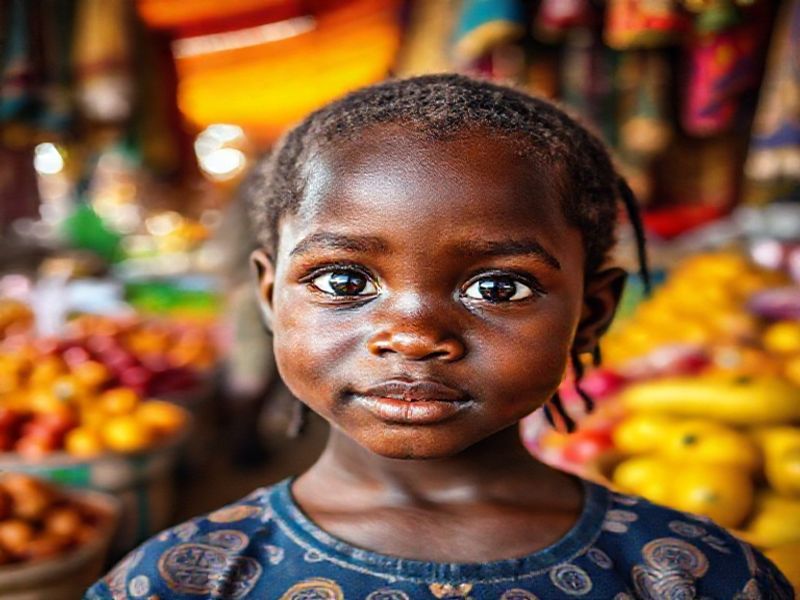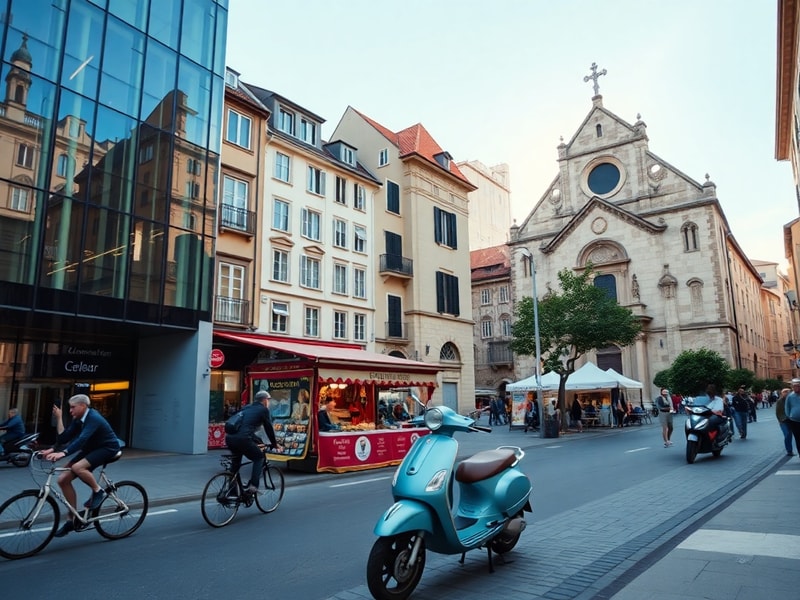
Luxembourg and Italy, though both European nations, represent vastly different worlds in terms of history, lifestyle, and national identity. One is a microstate with a population smaller than some major cities, the other a boot-shaped peninsula with a population exceeding 60 million. Their differences extend beyond mere geography into economics, culture, and even the rhythm of daily life. This comparison explores what sets these two nations apart and what they might learn from each other.
The Economic Contrasts
Luxembourg stands as one of the wealthiest countries in the world, with a GDP per capita that consistently ranks at the top globally. Its economy thrives on financial services, with over 140 banks operating in a country of just 600,000 people. The Grand Duchy’s low unemployment rate—hovering around 5%—reflects its robust job market and high standard of living. Meanwhile, Italy, a G7 economy, grapples with slower growth, youth unemployment near 20%, and regional disparities between the industrial north and the struggling south.
The contrast becomes even sharper when examining public debt. Luxembourg’s debt-to-GDP ratio is under 25%, one of the lowest in the EU, while Italy’s exceeds 140%, placing it among the most indebted nations in the eurozone. Yet, Italy’s creative industries—fashion, design, and food—generate billions in global exports, proving that wealth isn’t solely measured in financial terms. Both nations excel in different economic arenas, each serving as a model for the other in distinct ways.
Key Economic Indicators Comparison
- GDP per capita (2023): Luxembourg – $131,300; Italy – $38,200
- Unemployment rate (2023): Luxembourg – 4.8%; Italy – 7.7%
- Public debt-to-GDP ratio (2023): Luxembourg – 24%; Italy – 144%
- Major exports: Luxembourg – financial services, steel; Italy – machinery, fashion, food products
Cultural Identity: Small State vs. Global Powerhouse
Luxembourg’s identity is shaped by its multilingualism. The country has three official languages—Luxembourgish, French, and German—and a population that is nearly half foreign-born. This linguistic diversity fosters a culture of openness and adaptability. Italian culture, by contrast, is deeply rooted in tradition, with a national language that has remained largely unchanged for centuries and a society that cherishes its artistic and historical heritage.
While Luxembourg embraces a quiet, almost understated modernity—think sleek EU institutions and pristine infrastructure—Italy radiates vibrancy through its architecture, cuisine, and festivals. Italian cities like Rome, Florence, and Venice are living museums, while Luxembourg City blends contemporary design with medieval charm. Yet both nations share a commitment to preserving heritage while navigating the pressures of globalization.
One area where Italy’s cultural influence is unmatched is in the culinary world. Italian food is a global language, with pizza, pasta, and espresso recognized worldwide. Luxembourg, though proud of its own culinary traditions—like the Judd mat Gaardebounen (smoked pork with broad beans)—relies more on international cuisine due to its diverse population. Still, Luxembourg’s food scene is celebrated for its quality and accessibility, often blending French, German, and Belgian influences.
Quality of Life: Efficiency vs. La Dolce Vita
Luxembourg offers a high quality of life marked by efficiency and safety. The country consistently ranks among the top in global livability indexes, thanks to its excellent healthcare system, low crime rates, and excellent public services. Public transportation is free nationwide, and the country’s compact size makes commuting effortless. Life moves at a brisk pace, yet with a strong emphasis on work-life balance.
Italy, on the other hand, embodies the concept of la dolce vita—the sweet life. Italians prioritize family, leisure, and social connections, with long lunch breaks and late dinners shaping daily rhythms. While this lifestyle fosters deep community bonds, it can also lead to inefficiencies in business and bureaucracy. Yet, the Italian approach to life often leads to greater happiness and life satisfaction, as measured by the World Happiness Report.
Both nations excel in different aspects of well-being. Luxembourg’s residents benefit from high salaries and low taxes, while Italians enjoy a slower pace of life, rich cultural experiences, and unparalleled access to art and history. The choice between the two lifestyles often comes down to personal priorities: productivity and convenience versus relaxation and tradition.
Tourism: Hidden Gem vs. Iconic Destination
Tourism in Luxembourg is a study in understatement. The country draws visitors with its fairy-tale castles, such as Vianden and Bourscheid, and its scenic Mullerthal region, known as “Little Switzerland.” The capital, Luxembourg City, is a UNESCO World Heritage site for its historic fortifications. Yet, tourism numbers remain modest compared to its neighbors, with just over 1.5 million visitors annually. The appeal lies in its tranquility and authenticity.
Italy, in stark contrast, is the fifth most visited country in the world, attracting over 90 million tourists each year. Its iconic landmarks—the Colosseum, the canals of Venice, the Amalfi Coast—draw millions eager to experience its history and beauty. Italy’s tourism industry is a cornerstone of its economy, supporting millions of jobs in hospitality, food, and retail. Yet, overtourism in places like Venice and Florence has led to calls for more sustainable practices.
Both nations offer unique tourism experiences. Luxembourg provides a peaceful retreat with easy access to neighboring countries, while Italy offers a feast for the senses with its art, cuisine, and coastal beauty. Travelers often choose one or the other based on whether they seek relaxation or adventure.
Lessons from Both Sides
Despite their differences, Luxembourg and Italy share common challenges and opportunities. Luxembourg could learn from Italy’s ability to market its cultural heritage globally, while Italy could adopt some of Luxembourg’s efficiency in public services and economic management. Both nations face the challenge of balancing tradition with modernity, whether it’s preserving historic cities or integrating a diverse workforce.
For expatriates and digital nomads, Luxembourg offers stability and opportunity, while Italy provides inspiration and a slower, more fulfilling lifestyle. The contrast between the two nations highlights the diversity of European life and the value of different approaches to governance, culture, and daily living.
Ultimately, Luxembourg and Italy represent two sides of a coin that is Europe itself—one side polished and efficient, the other rich with history and passion. Each offers something the other lacks, making them complementary rather than competitive. Whether one prefers the quiet prosperity of Luxembourg or the vibrant chaos of Italy, both nations remind us that there is no single path to success or happiness.
Final Thoughts
In a continent as diverse as Europe, Luxembourg and Italy stand as testaments to the continent’s ability to embrace multiple identities. One thrives on precision and wealth, the other on creativity and tradition. Rather than comparing them as rivals, it’s more productive to see them as examples of how different societies can flourish in their own unique ways.
For those considering a move or simply exploring, both countries offer invaluable lessons in what it means to build a society that values heritage, innovation, and quality of life.
To explore more about European cultures and destinations, visit our Travel and Culture sections for deeper insights.