The matchup between Poland and Nigeria in international football is more than just a game. It represents a collision of football philosophies, historical narratives, and cultural identities. While the two nations rarely meet on the pitch—Poland is a European powerhouse and Nigeria an African giant—the rare encounters between them reveal much about how football evolves across continents.
Poland’s football identity has been forged through decades of tactical discipline, resilient defending, and the emergence of world-class strikers like Robert Lewandowski. Nigeria, on the other hand, embodies flair, creativity, and an unshakable belief in attacking football. These contrasting styles make any direct comparison between the two teams a fascinating study in football philosophy and cultural expression.
The Historical Context of a Rare Rivalry
Poland and Nigeria have faced each other only three times in official FIFA matches, with the most recent meeting occurring in 1980. Despite the infrequency, each game has carried symbolic weight. The first match in 1974 ended in a 3-0 Polish victory, showcasing the technical precision of the Eastern European side. In 1980, Nigeria managed a 1-1 draw, a result that hinted at the potential of African football against traditional powerhouses.
These encounters took place during a period when football was becoming a global language. Poland’s team of the 1970s and early 1980s was defined by players like Kazimierz Deyna and Grzegorz Lato, who brought a blend of creativity and physicality to the European game. Nigeria, meanwhile, was beginning to assert itself on the world stage, with a generation of players who valued individual brilliance and improvisation.
While the teams have not met since, their footballing philosophies have continued to develop in parallel, each influencing the global game in distinct ways. Poland’s structured approach contrasts sharply with Nigeria’s emphasis on spontaneity and technical skill, a divide that reflects broader cultural attitudes toward competition and expression.
Style and Strategy: How They Play the Game
Poland’s football is often characterized by its efficiency. The team prioritizes defensive solidity, quick transitions, and a reliance on set-piece situations to create scoring chances. This approach has yielded consistent results in European competitions, with Lewandowski’s goal-scoring record serving as a testament to its effectiveness.
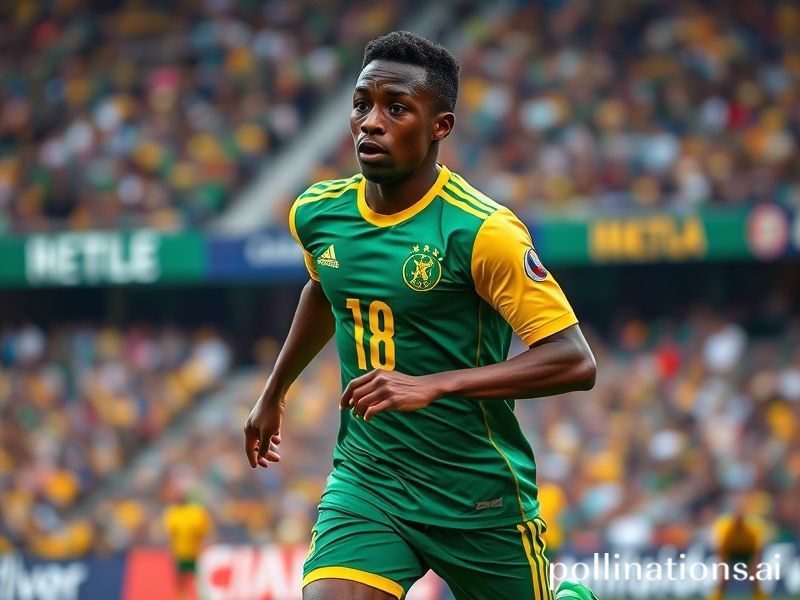
Nigeria, in contrast, thrives on fluid movement, dribbling, and improvisation. The Nigerian style is deeply rooted in the country’s cultural love for expressive, entertaining football. Players like Jay-Jay Okocha and Victor Osimhen exemplify this tradition—technically gifted individuals who can change a game through moments of individual brilliance.
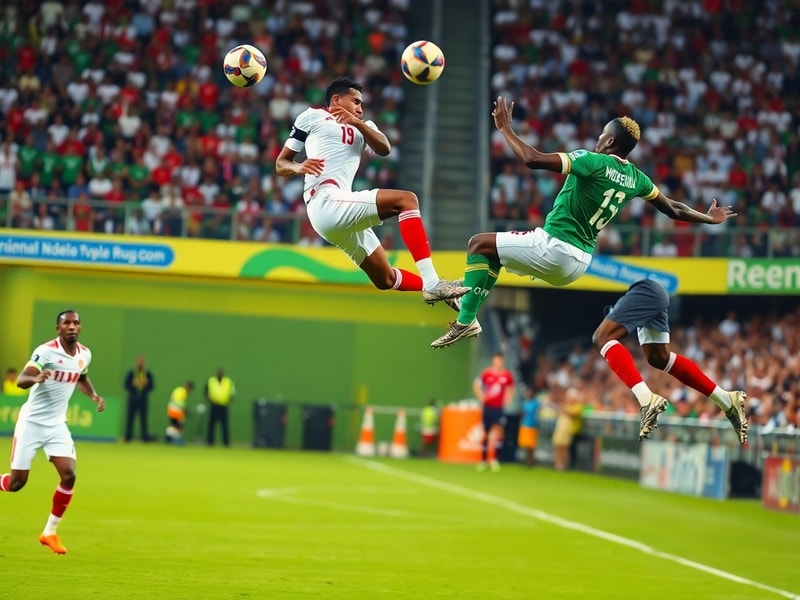
When these styles collide, the result is a tactical clash. Poland’s structured midfield battles against Nigeria’s creative playmakers create a dynamic that tests both teams’ adaptability. A hypothetical Poland-Nigeria match today would likely revolve around midfield control, with Poland seeking to limit Nigeria’s space and Nigeria aiming to unlock defenses with quick passing and individual skill.
- Poland’s Strengths: Defensive organization, set-piece dominance, clinical finishing.
- Nigeria’s Strengths: Technical dribbling, pace in attack, creative midfield play.
- Potential Tactical Battle: Poland’s midfield press vs. Nigeria’s counterattacking speed.
- Historical Edge: Poland has won the only competitive meeting, but Nigeria’s recent performances suggest they could challenge for dominance.
The Broader Implications: Football as a Cultural Mirror
The Poland-Nigeria dynamic extends beyond the pitch, reflecting broader trends in global football. Poland’s journey mirrors the evolution of post-Soviet football, where clubs and national teams have transitioned from state-sponsored structures to market-driven models. Nigeria, meanwhile, represents the rise of African football as a talent-producing powerhouse, with players increasingly dominating European leagues.
This contrast highlights a significant shift in football’s center of gravity. While Europe has long been the epicenter of tactical innovation and financial power, Africa’s influence is growing rapidly. Nigerian players are now essential cogs in top European clubs, bringing their unique style to leagues like the Premier League and La Liga. Poland, though smaller in population, has maintained a high standard through structured development programs.
For football fans, a Poland-Nigeria matchup would be more than just a sporting event—it would be a celebration of two distinct footballing cultures. It would offer a chance to see how tactical discipline fares against creative freedom, and how defensive solidity matches up against attacking ingenuity.
Why This Rivalry Matters for the Future of Football
As football continues to globalize, the need for cross-cultural exchanges becomes increasingly important. Matches between teams from different continents not only test playing styles but also foster mutual respect and understanding. A Poland-Nigeria fixture could serve as a bridge between European pragmatism and African flair, inspiring new tactical ideas and player development strategies.
For young players in both countries, such a matchup would be a source of motivation. Polish talents might strive to emulate Lewandowski’s consistency, while Nigerian youth could look to Osimhen’s work ethic and skill. The game would reinforce the idea that football is a universal language, capable of transcending borders and uniting diverse communities.
While a regular Poland-Nigeria rivalry may never materialize due to scheduling and geographical constraints, the potential for such a fixture remains an exciting prospect. It would not only provide thrilling football but also reinforce the sport’s role as a unifier in an increasingly divided world.
In the meantime, fans can look forward to occasional encounters in friendly tournaments or youth competitions, where these two footballing philosophies might once again collide. Until then, the legacy of their past meetings serves as a reminder of football’s power to connect cultures and inspire generations.
For more analysis on international football dynamics, visit our Sports and Analysis categories on Dave’s Locker.